
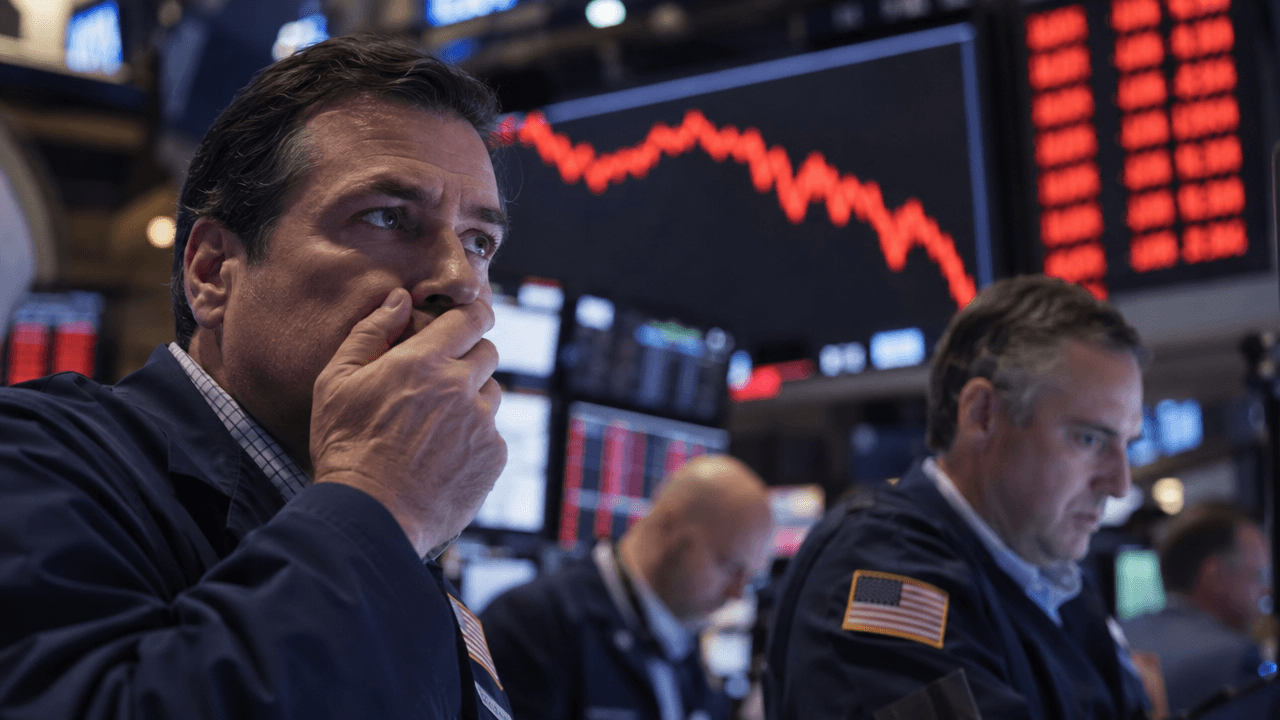
The sharp decline in equity-index futures on Wednesday, November 25, shows how quickly confidence can change when investors begin questioning the returns behind the artificial-intelligence boom. S&P 500 futures fell nearly 2%, while Nasdaq-100 futures dropped close to 3% before the U.S. open. Nvidia was among the largest pressure points, with shares down more than 5% in premarket trading. [1][6][8]
The move was not simply a routine technology-sector pullback. It reflected a broader reassessment of the AI investment cycle, including the enormous capital required to build data centers, the debt used to finance that expansion, and uncertainty about when those investments will generate sustainable profits. As high-growth technology stocks weakened, risk appetite declined across the wider market.
Why The Ai Trade Is Unwinding
For much of the recent market rally, investors treated AI exposure as a powerful growth theme. Chipmakers, cloud companies, software providers, and data-center operators all benefited as traders anticipated accelerating demand for computing capacity.
That optimism is now being tested. The key question is no longer whether AI will affect the economy. It almost certainly will. The question is whether current valuations already assume too much success, too quickly.
Investors are examining whether the revenue produced by AI services can justify the hundreds of billions of dollars being committed to chips, electricity, data centers, and networking infrastructure. Concerns about debt-funded expansion and the timing of returns have contributed to renewed selling in richly valued technology shares. [11][12]
Nvidia has become a central symbol of this debate. The company remains strategically important to the AI ecosystem, but its stock performance has also become a major influence on market sentiment. When Nvidia rises, confidence in the AI theme can spread rapidly through the Nasdaq and the broader equity market. When it falls sharply, investors may reduce exposure to the entire group.
From A Company Story To A Market Story
The market impact of Nvidia’s weakness comes from its size, index weight, and position within investor portfolios. A decline in one company can affect index futures directly, while also prompting portfolio managers to reassess related holdings.
The selling has extended beyond chipmakers. Large technology companies, AI infrastructure firms, and other businesses associated with the theme have faced pressure as traders reduce speculative positions. Reports also indicated weakness in companies such as Alphabet, Amazon, and Microsoft, while AI company Anthropic traded below its initial public offering price. [3]
This is an important distinction for traders. A narrow pullback caused by one disappointing earnings report may remain concentrated. An AI trade unwind is broader: it can involve valuation compression, sector rotation, declining leverage, and reduced willingness to pay premium prices for future growth.
The result can be amplified market volatility. As prices fall, momentum strategies may sell, leveraged traders may reduce positions, and options markets may increase the speed of the move. A market that appeared resilient one day can look fragile the next when several feedback loops operate at the same time.
The Role Of Interest Rates And Valuations
Higher interest rates add another layer of pressure. Growth stocks are valued largely on future cash flows. When bond yields rise or investors expect rates to remain elevated, those future earnings are discounted more heavily. This can reduce the present value of companies whose profits are expected far into the future.
That relationship does not mean every technology company is overvalued, nor does it invalidate the long-term potential of AI. It does mean that businesses with aggressive growth expectations may need to demonstrate stronger revenue, margins, and cash flow to support their market prices.
For traders, this creates a conflict between a powerful structural theme and demanding short-term valuations. The long-term adoption of AI can remain intact while AI-related stocks still experience substantial corrections. Markets price expectations, not just current business conditions.
What Traders Should Watch Next
The first indicator to monitor is whether selling remains concentrated in AI-linked companies or spreads into economically sensitive sectors. Continued weakness in semiconductors, cloud providers, and data-center stocks would suggest that the theme is still being repriced. A broader decline in financials, industrials, consumer stocks, and small-cap shares would point to a deeper risk-off move.
The second factor is market breadth. If a handful of mega-cap technology stocks lead the decline while defensive sectors hold up, investors may be rotating rather than abandoning equities entirely. If most stocks fall together, downside momentum may be gaining strength.
Third, traders should track bond yields, credit spreads, and volatility. Rising yields can intensify pressure on growth stocks. Wider credit spreads may signal concern about corporate financing conditions, especially for companies dependent on heavy borrowing. Elevated volatility can make position sizing and stop placement more important than usual.
In a SimFi environment, these conditions offer a valuable risk-management exercise. Traders can create a plan before entering a position, define the maximum acceptable loss, and test how an index position responds to different scenarios. Rather than chasing a sharp rebound, they can compare a trend-following approach with a range-trading strategy and observe how leverage changes the outcome.
Practical Takeaways
Avoid treating a market-wide selloff as a single-stock event. Identify whether the driver is earnings, valuation, interest rates, liquidity, or a change in investor positioning.
Use index futures as a sentiment indicator, not a guaranteed forecast of the closing market. Futures can move sharply before the cash session and may reverse as new information enters the market.
Reduce unnecessary leverage during periods of fast-moving volatility. A correct market view can still produce a damaging result if a position is too large or a stop is placed unrealistically close.
Finally, separate the technology from the trade. AI may continue transforming business and markets, but that does not mean every AI-related asset will rise continuously.
Conclusion
The slide in equity-index futures reflects a growing demand for proof behind the AI investment story. Investors are asking whether extraordinary spending will produce extraordinary earnings, and that uncertainty has made Nvidia and other technology leaders vulnerable to sharp repricing.
For market participants, the lesson is broader than the direction of one morning’s futures session. Strong themes can become crowded, valuations can change quickly, and risk management matters most when confidence is highest. Whether the current decline develops into a deeper correction or stabilizes as a rotation, disciplined traders will focus on evidence, exposure, and execution rather than emotion.