

Trading
Oil Retreats, but Middle East Risks Keep Crude Prices Elevated
Brent and WTI have pulled back on diplomacy hopes, but fragile supply routes and regional attacks continue to support oil’s risk premium.
Your trusted source for forex, trading, cryptocurrency, and financial market news.
Fresh updates from the markets
Brent and WTI have pulled back on diplomacy hopes, but fragile supply routes and regional attacks continue to support oil’s risk premium.

The dollar is easing broadly, but USD/JPY is rising as the yen loses safe-haven support. Fed policy, US GDP, inflation, and BOJ guidance now take center stage.

Japan’s services inflation rose 3.7% in September, supporting Bank of Japan tightening expectations while the yen remained pressured by global rate differentials.

Asian stocks surged as Anthropic’s IPO filing renewed AI optimism, lifting semiconductor shares in South Korea and Japan ahead of earnings and central-bank decisions.

Nasdaq 100 and S&P 500 futures edged lower as mixed technology earnings renewed questions about AI spending, valuations, and the durability of the market’s growth-stock rally.

Bitcoin holds near a critical support zone while a $6.4 million Ethereum Foundation conversion draws attention. Here’s what traders should watch next.

Gold remains above $4,000 as safe-haven demand offsets high Treasury yields and restrictive Fed policy. Traders are watching the October meeting and key support levels.

China’s industrial profits rebounded while Australia’s GDP beat forecasts, supporting the Australian dollar and reshaping expectations for regional growth and interest rates.

Bitcoin and Ether ETF withdrawals are weakening institutional support, pressuring key price levels and forcing traders to reassess crypto-market momentum.

Rising crude prices and elevated Treasury yields are tightening financial conditions, challenging the Fed, and reducing appetite for stocks, technology, and cryptocurrencies.
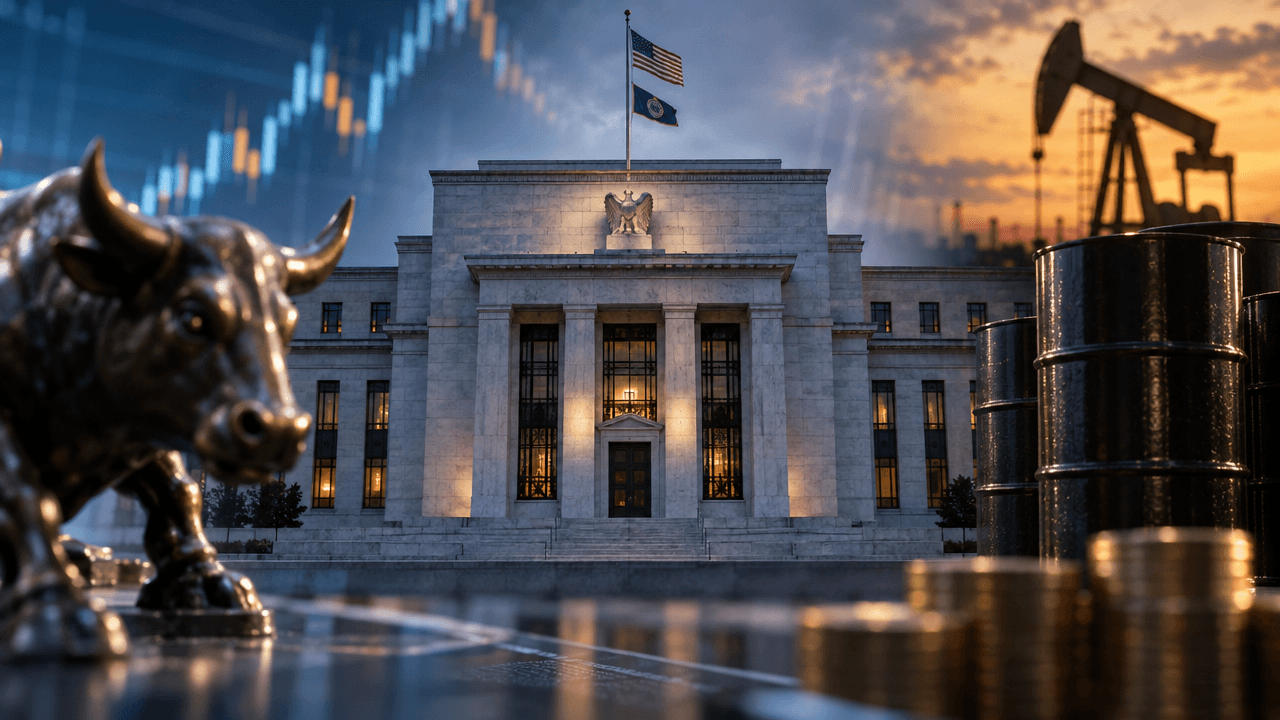
The October FOMC meeting is the central cross-asset catalyst as traders weigh a likely rate hold against inflation, oil prices and the prospect of a December hike.
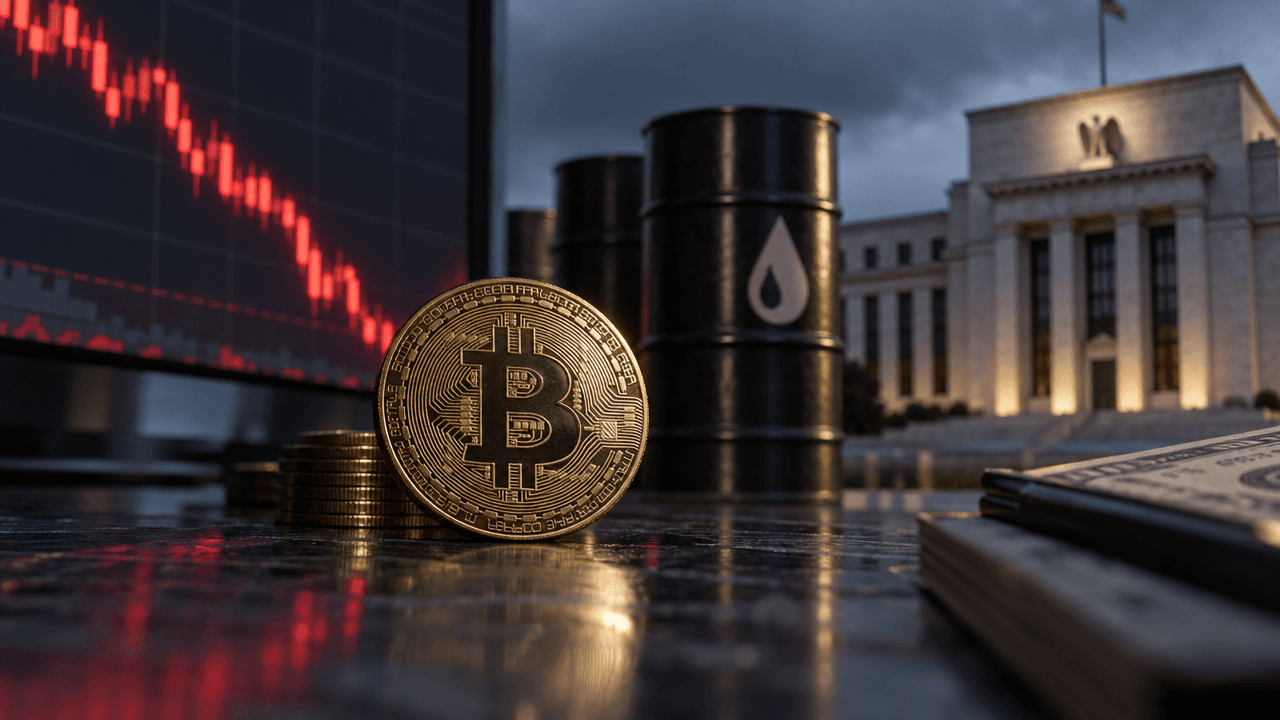
Bitcoin’s drop below $80,000 reflects rising yields, oil prices, and Fed uncertainty. Here’s what traders should watch around key support.