
China's 125% Tariff: A New Era in US-China Trade Relations
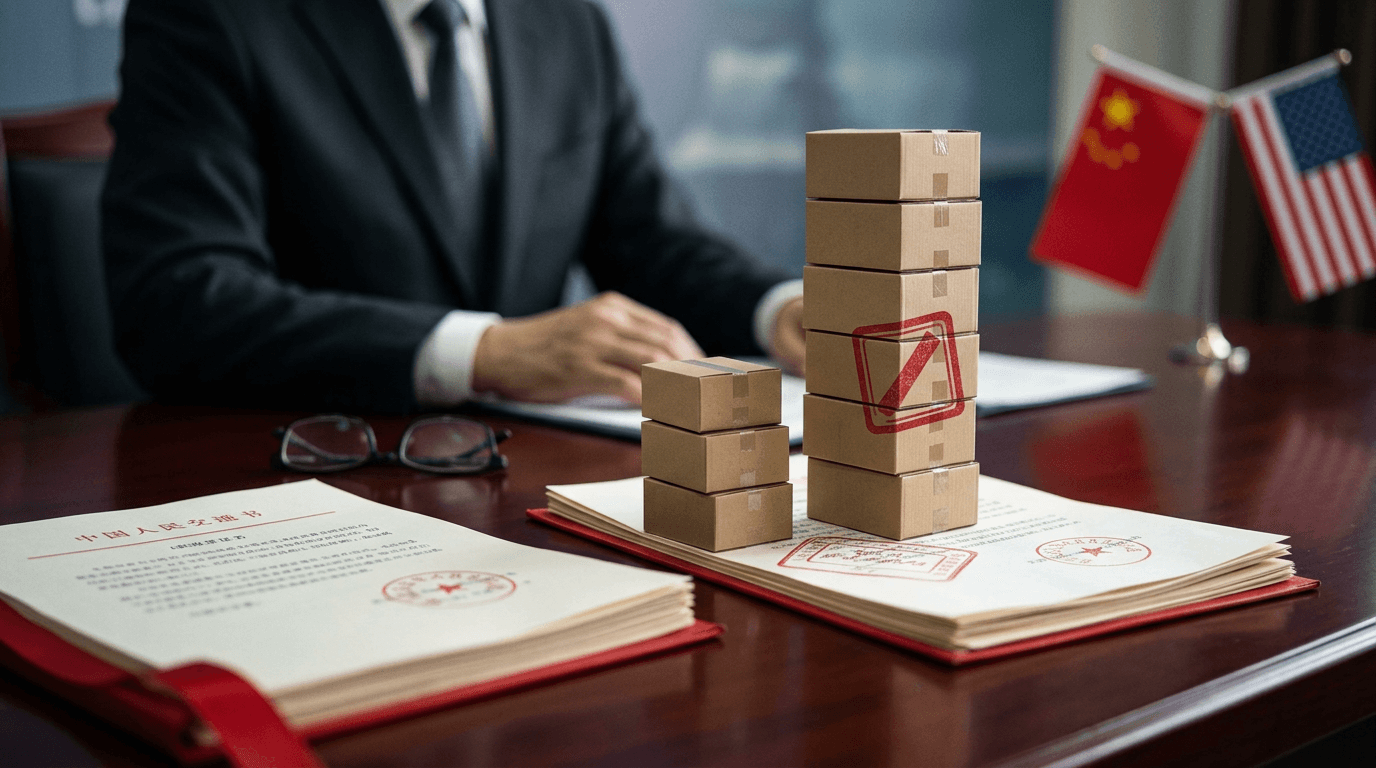
The trade conflict between the United States and China has intensified significantly, as Beijing announces a monumental 125% tariff on all American goods, effective April 12, 2025. This move, escalating from an earlier 84% tariff, marks a seismic shift in the trade negotiations between these economic powerhouses. For traders, investors, and global market watchers, this development is not just another headline—it's a paradigm shift requiring immediate strategic adaptation in an increasingly volatile landscape.
The Escalation Unfolds
Understanding the gravity of China's 125% tariff requires a look back at the rapid series of events leading to this decision. On April 10, 2025, the United States raised tariffs on Chinese goods to 145%, citing national security threats and illicit fentanyl trafficking as primary concerns. In a swift counter-move, China's Ministry of Finance announced its own increase to 125%, effective just two days later. This rapid escalation highlights the volatility of today's interconnected global economy, where moderate tariffs can quickly transform into aggressive economic measures.
This isn't the beginning of the story. Earlier in April, China had already responded to US tariff hikes with an 84% tariff. The current announcement marks a third, and significantly more aggressive, retaliatory measure, indicating China's readiness to escalate the conflict. This is more than just a series of tit-for-tat exchanges; it represents a fundamental reorientation of trade relationships, as both nations assert their economic and political interests.
China's Calculated Response
China's decision is rooted in economic strategy. According to the Ministry of Finance, the market can no longer absorb American goods under current conditions, indicating that tariff levels have reached an unsustainable threshold. This suggests that China perceives the US tariff hike not as a simple negotiation tactic, but as a direct threat to bilateral commerce, necessitating an equally forceful response. The Chinese government has labeled the US tariffs a "serious violation of international economic and trade rules," accusing the US of "unilateral bullying and coercion."
Despite the sharp rhetoric, there's a glimmer of negotiation potential. An April 9 State Council white paper indicated that China remains open to diplomatic talks, suggesting that while tariffs escalate, communication channels remain open—a critical nuance for market participants assessing the potential for further escalation or de-escalation.
Implications for Traders and Investors
The leap from an 84% to a 125% tariff is a policy shock, creating significant market dislocations and opportunities for traders who can anticipate sector rotations, currency shifts, and volatility expansions. Companies with heavy exposure to US-China trade must quickly recalibrate profit margins and adjust business strategies.
Supply chain uncertainty now looms large, challenging investors to reassess future supply chain structures, sourcing strategies, and pricing models. Technology firms, manufacturers dependent on Chinese components, and agricultural exporters face heightened pressure, while defensive sectors and domestically focused businesses might find themselves in stronger positions.
The Broader Trade Dynamics and Future Outlook
While China has declared this 125% tariff as its final retaliatory measure, broader trade tensions persist, ensuring continued market volatility. The aggressive tariff policies of both nations raise fundamental questions about the future of bilateral trade relationships and global supply chain structures. The situation remains dynamic, with further escalations possible if diplomatic efforts falter.
Beyond tariffs, China has also targeted 11 U.S. companies by adding them to its "unreliable entity list," effectively barring them from trade, investment, and cooperation in China. These firms have been accused of military-related technology cooperation with Taiwan, further complicating US-China relations. This multi-faceted approach highlights China's willingness to use a variety of policy tools to exert pressure on the United States.
Strategic Takeaways for Market Participants
The 125% tariff announcement demands close attention from market participants tracking macroeconomic policy developments. Traders must consider multiple scenarios and timeframes when positioning for ongoing trade tensions. The explicit messaging about market tolerance levels, combined with open diplomatic channels, creates a complex environment requiring sophisticated analytical frameworks. For those in simulated finance platforms, this is a prime case study of how trade policy escalations impact global markets, presenting both risks and opportunities.
The wisest strategy involves vigilant monitoring of developments, scenario-based portfolio adjustments, and alertness to any changes in diplomatic messaging that could signal further escalation or potential negotiation. In this environment, flexibility and rapid information processing become invaluable competitive advantages.