
China's 125% Tariff Retaliation: What Traders Need to Know Now
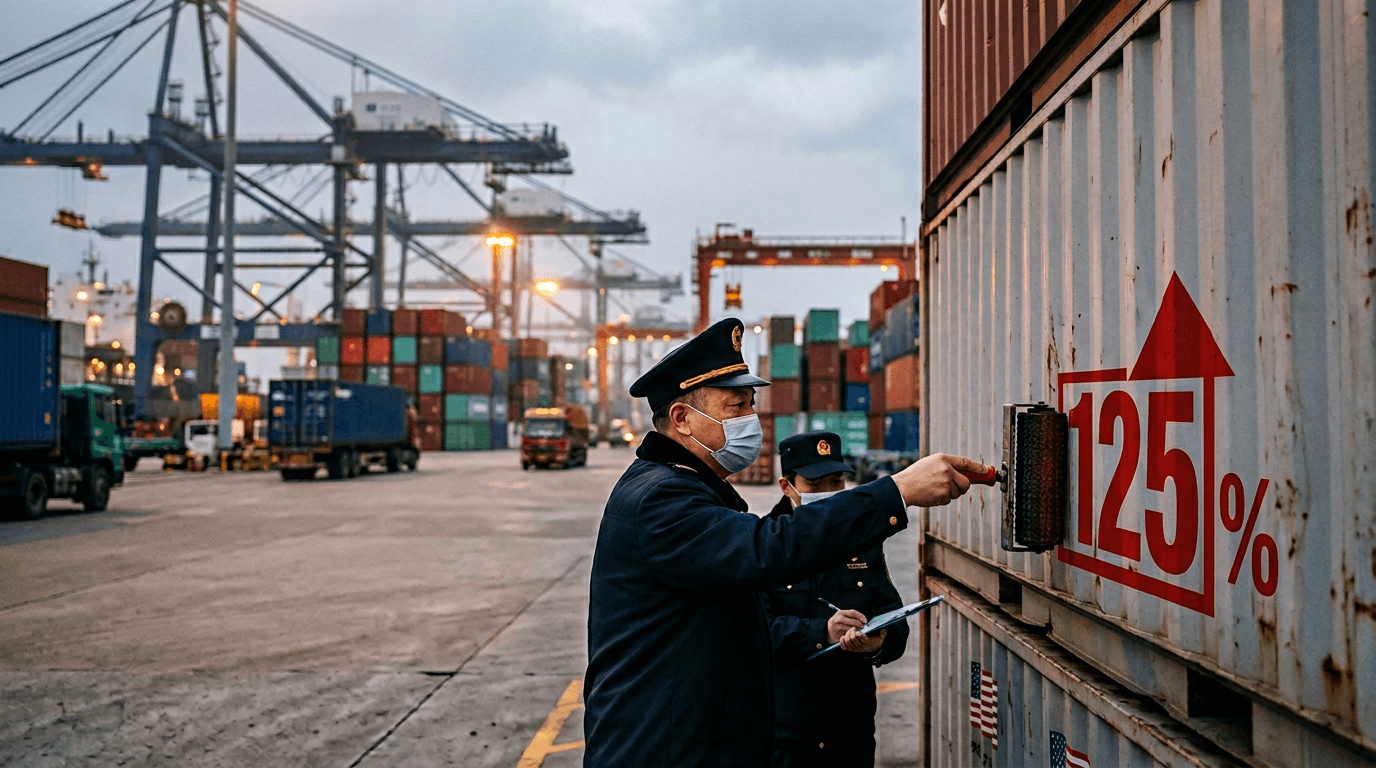
On April 11, 2025, the US-China trade conflict reached an unprecedented high as China declared a 125% tariff on American goods, effective April 12. This bold move by Beijing marked its most assertive counteraction to the Trump administration's escalating tariff policies, culminating in a dramatic intensification of the decade's most significant trade standoff. For traders and investors keeping an eye on global markets, this development brought immediate and extensive consequences across equities, currencies, and commodities.
Unpacking The Escalation Sequence
The announcement of a 125% tariff was not an isolated event. It was the peak of a rapid escalation that unfolded throughout early April 2025. The Trump administration had initiated its second-term tariff strategy by increasing duties on Chinese imports to 145%, citing issues like fentanyl trafficking and other trade imbalances. On April 9, an additional 50% tariff was imposed on Chinese goods, bringing the overall rate to 104%. The next day, tariffs climbed again to 125%, with officials justifying this move by pointing to China's alleged "disrespect" for global markets.
China's counteraction was both swift and calculated. On April 9, the State Council Tariff Commission announced an 84% tariff on all US goods, effective the following day. When the US raised its rate to 125% on April 10, China matched it precisely one day later, indicating a deliberate and measured response. China's Ministry of Finance described this increase as the "final adjustment," suggesting that the current tariff levels had reached a point where "the market can no longer accept US goods exported to China." This language implied that Beijing viewed the 125% level as a ceiling, though further escalation remained possible if provoked.
Economic Impact And Currency Movements
The ramifications for China's economy were significant. Economists forecasted that the combined effect of heightened US tariffs and reduced consumer purchasing power could shave one to two percentage points off China's annual GDP growth, a considerable drag for an economy used to 4-6% growth rates. With China's export sector being a primary growth engine, manufacturers faced dual pressures from both higher tariffs and diminished access to American markets.
The ripple effect was felt across Asia. Hong Kong, which exported approximately 38 billion dollars in goods to the United States in 2024, encountered increasing economic headwinds due to reciprocal tariff measures. This interconnected trade ecosystem illustrated how tensions between Washington and Beijing extended well beyond bilateral relationships.
To counteract tariff-induced pressure on the yuan, the People's Bank of China pursued a deliberate weakening strategy. The USD/CNH reference rate was set at 7.2066 on April 9, the lowest level since September 2023. This currency depreciation aimed to boost the global price competitiveness of Chinese exports, potentially mitigating some tariff impacts by making Chinese products more affordable for foreign buyers in dollars or other strong currencies.
Beyond Tariffs: Broadening Trade Restrictions
China's trade response went beyond mere tariff hikes. The Ministry of Commerce added 12 US companies to its export control list, effectively preventing them from receiving Chinese dual-use exports—goods with both civilian and military applications. Additionally, six companies were placed on the Unreliable Entity List due to their involvement in arms sales or military technology cooperation with Taiwan. These non-tariff measures marked a significant escalation in economic coercion, targeting technology transfer and investment pathways beyond traditional import duties.
Strategic Diversification And Geopolitical Realignments
Recognizing the risks of heavy reliance on the US market, China pursued strategic diversification. The government strengthened ties with alternative trading partners, including the European Union and Japan, both facing their own tariff pressures from the Trump administration. This shift reflected Beijing's pragmatic acknowledgment that long-term economic stability required reducing exposure to US trade policy volatility.
Key Insights For Market Participants
For traders and investors navigating this environment, several actionable insights emerged. First, expect sustained volatility across equities, currencies, and commodities as negotiations evolve or further escalations occur. Sectors heavily exposed to US-China trade flows—particularly technology, automotive, and consumer goods—demanded particular attention and risk assessment.
Currency pairs involving the yuan presented potential trading opportunities as central banks adjusted policy responses. The deliberate weakening of the USD/CNH suggested the People's Bank would likely maintain accommodative policy, creating technical and fundamental trading patterns worth monitoring.
Despite the aggressive posturing, both sides indicated a willingness to negotiate. This suggested that current tariff levels might not represent a stable long-term equilibrium. Market participants positioning for potential de-escalation through diplomatic breakthroughs could be rewarded if negotiations led to tariff reductions.
The 125% tariff announcement signified a pivotal moment in modern trade relations. Understanding both the immediate market implications and longer-term strategic dimensions enabled informed decision-making in an uncertain environment where tariff policy had become a primary driver of global asset prices and economic growth trajectories.