
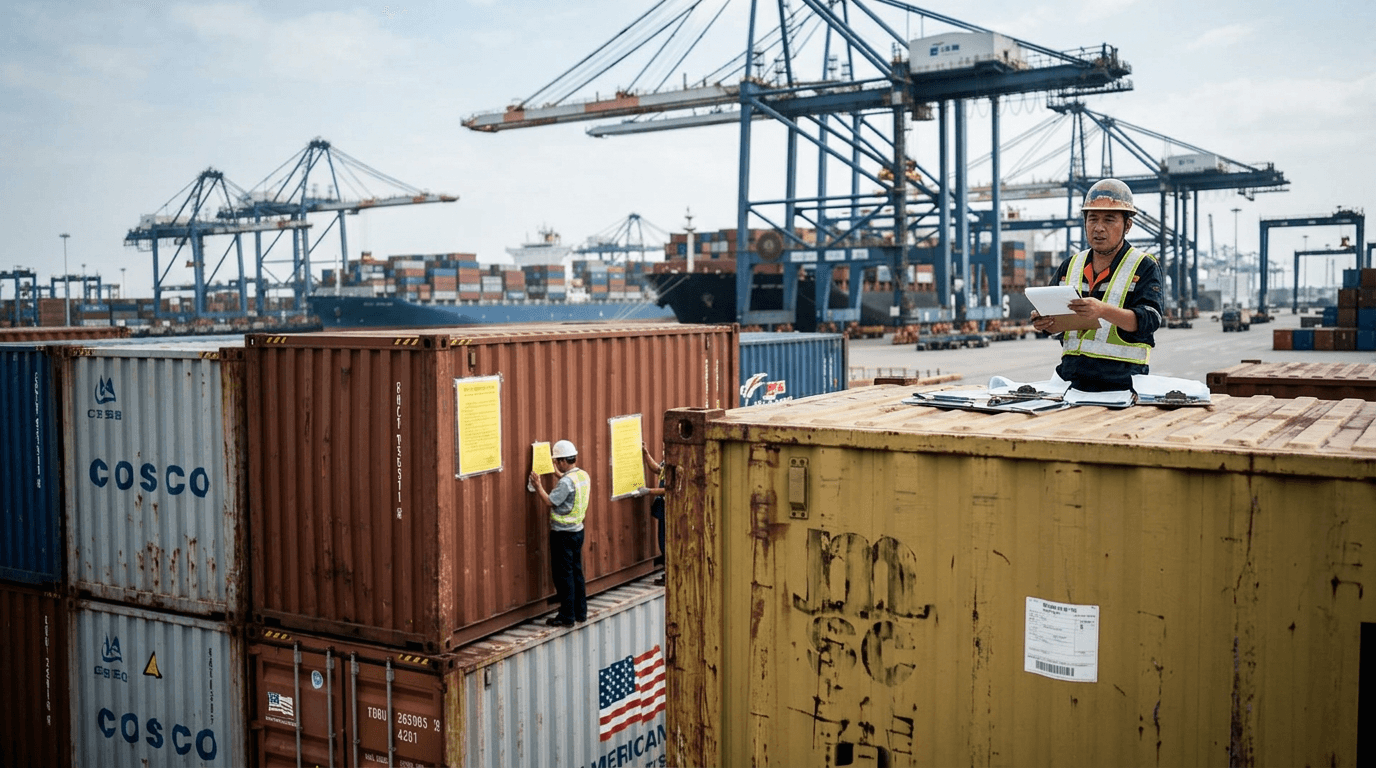
The US-China Trade War Intensifies: China's 125% Tariffs and Market Fallout
The ongoing US-China trade dispute reached a pivotal moment on April 11, 2025, when China declared it would impose 125% tariffs on American goods starting April 12. This move is a direct counter to the Trump administration’s intensified tariff strategy, signifying a firm stance by Beijing. For global market observers, this escalation presents notable repercussions for asset prices, currency values, and portfolio strategies across various asset classes.
Escalation Timeline And Immediate Catalyst
To grasp China's decision, it's crucial to look at the rapid tariff escalation of early April 2025. The Trump administration had escalated tariffs on Chinese imports to 145%, prompted by a mix of retaliatory tariffs and additional duties linked to fentanyl concerns. On April 9, the US imposed an extra 50% tariff on Chinese goods, raising the overall rate to 104%. A day later, this was further increased to 125%, citing what was termed as China's "disrespect" for global markets. In response, China matched the US's 125% rate by raising its own tariffs from 84%, signaling a resolute counteraction. Notably, China declared this hike as the final adjustment, with the Ministry of Finance stating that "under the current tariff levels, the market can no longer accept US goods exported to China" and cautioning against future escalations.
Economic Implications For China And Global Trade
The tariff hike threatens China's economic growth path, with economists predicting a potential reduction in GDP growth by one to two percentage points—significant for a nation accustomed to 4-6% growth rates. Given China's reliance on exports as a growth driver, the combined effect of US tariffs and diminished purchasing power places manufacturers in a tough spot. The repercussions extend to Hong Kong, where exports to the US, valued at around 38 billion dollars in 2024, now face compounded economic challenges due to reciprocal tariffs. This scenario underscores how trade tensions between Washington and Beijing ripple across the Asian economic landscape.
Furthermore, China has employed non-tariff measures in its trade strategy. The Ministry of Commerce has added 12 US companies to its export control list, barring them from receiving Chinese dual-use exports, and placed six companies on its Unreliable Entity List due to their involvement in arms sales or military technology cooperation with Taiwan. These actions expand trade restrictions beyond tariffs, delving into technology access and investment limitations.
Financial Market Reaction And Currency Dynamics
Chinese financial markets have seen negative reactions to the escalating trade tensions. The Hong Kong HS50 index plummeted by more than 20% from its peak on March 19, entering bear market territory and heightening investor concerns about China's economic outlook. This volatility has created opportunities for investors to hedge China-exposed positions or prepare for ongoing instability.
In response to tariff-induced pressure on the yuan, the People's Bank of China (PBoC) has deliberately weakened the currency, setting the USD/CNH reference rate at 7.2066 on April 9—the lowest since September 2023. This currency depreciation strategy aims to enhance the global price competitiveness of Chinese exports, potentially mitigating some of the tariff impacts by encouraging American and other foreign buyers to purchase Chinese goods at reduced dollar prices.
Strategic Pivot And Diversification Efforts
China's response to the trade war extends beyond retaliatory tariffs. The government has strengthened ties with alternative trading partners, such as the European Union and Japan, both experiencing their own tariff pressures from the Trump administration. This diversification strategy reflects Beijing's acknowledgment that heavy reliance on US markets poses a vulnerability to American trade policy changes. By building relationships with other developed economies, China seeks to lessen its exposure to US-China trade dynamics.
Key Takeaways For Traders And Investors
The implementation of 125% Chinese tariffs on US goods on April 12 offers several actionable insights. Traders should brace for continued market volatility across equities, currencies, and commodities as negotiations evolve or falter. Sectors heavily exposed to US-China trade warrant particular attention. Currency fluctuations in USD/CNH and other emerging market pairs may present trading opportunities as central banks adjust their policy responses. Moreover, the potential for breakthrough negotiations remains, with both sides indicating a willingness to talk, suggesting that current tariff levels may not represent a stable long-term equilibrium.
The intensity of the trade war in April 2025 underscores that protectionist measures remain a central policy tool for major economies, with unpredictable effects on global financial markets and real economic activity.