
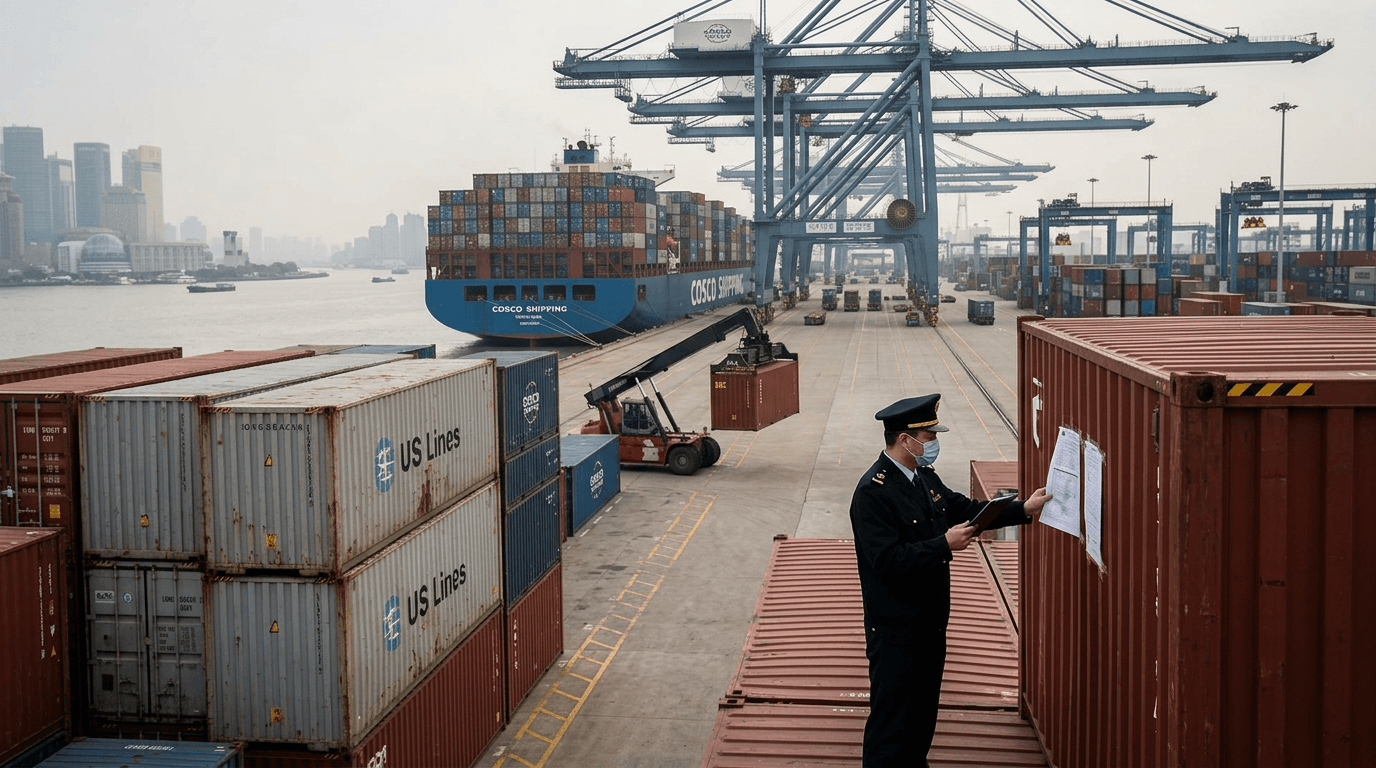
China's Bold 125% Tariff Leap: Unraveling the Trade War's New Chapter
The escalating trade tensions between the United States and China have reached a critical point. On April 12, 2025, Beijing announced a sweeping 125% tariff on all American goods. This dramatic escalation from an 84% tariff just days prior marks one of the most aggressive moves in the ongoing trade war between these economic titans. For traders, investors, and market participants, this development signals a fundamental shift in global trade dynamics that demands immediate strategic reassessment.
Trigger and Timeline: The Rapid Escalation
To comprehend China's 125% tariff, one must examine the rapid sequence of events that preceded it. On April 10, 2025, the United States implemented a 145% reciprocal tariff on all Chinese imports, citing national security concerns and illicit fentanyl trafficking as justification. This move built upon earlier tariff increases, including a 20% fentanyl-related tariff imposed on March 4. China's response was swift and decisive, with the Ministry of Finance announcing the 125% counter-tariff just two days later. This compressed timeline underscores the volatile nature of current trade negotiations and the willingness of both nations to escalate rapidly without extended diplomatic consultation.
China's strategy is clear. Earlier in April, China had already implemented an 84% tariff in response to previous US actions. The jump from 84% to 125% in days demonstrates that China views the US tariff increases not as negotiating tactics but as existential threats to bilateral commerce requiring equally aggressive responses.
China's Strategic Rationale: Protecting Domestic Markets
China's Ministry of Finance has made it clear: the market can no longer absorb American goods under current tariff conditions. This statement underscores China's perspective that tariffs are not mere negotiating tools but essential measures to shield domestic markets from what it sees as unsustainable trade imbalances.
The Chinese government has formally accused the United States of violating international economic and trade rules, describing US actions as "unilateral bullying and coercion." This rhetoric suggests that China is not merely engaging in tit-for-tat exchanges but is making a principled stand against what it views as hegemonic trade practices. Importantly, despite the sharp rhetoric, China has signaled through State Council communications that diplomatic channels remain open, suggesting that while tariffs escalate, negotiation possibilities have not entirely closed.
Implications for Global Markets and Trading Positions
The sudden imposition of 125% tariffs creates substantial market dislocations with far-reaching consequences for multiple sectors. Companies with significant exposure to US-China trade face immediate pressure to recalibrate profit margins, reassess pricing models, and fundamentally restructure business strategies. The supply chain uncertainty that results from such aggressive tariff policies requires investors to completely reimagine future supply chain structures and sourcing strategies.
Technology firms face particularly acute challenges, as many depend heavily on Chinese components and manufacturing capabilities. Manufacturers relying on Chinese inputs must now account for dramatically increased input costs in their financial projections. Agricultural exporters, a traditionally significant component of US exports to China, confront severely diminished market opportunities. Conversely, domestically focused businesses and defensive sectors may find themselves in relatively stronger competitive positions as import-heavy competitors face margin compression.
For traders and portfolio managers, the 125% tariff announcement demands sophisticated analytical frameworks and scenario planning. The transition from 84% to 125% in days creates opportunities for those who can anticipate sector rotations, currency movements, and volatility expansions. However, this environment also presents substantial risks for those caught on the wrong side of rapid policy shifts.
Broader Trade Architecture and Multi-Faceted Pressure
Beyond tariff measures, China has expanded its toolkit for exerting economic pressure on the United States. Beijing added eleven American companies to its "unreliable entity list," effectively barring them from trade, investment, and cooperation within China. These companies face accusations of military-related technology cooperation with Taiwan, adding geopolitical dimensions to the trade conflict. This multi-layered approach demonstrates China's willingness to deploy various policy instruments beyond tariffs to achieve strategic objectives.
Strategic Considerations for Market Participants
While China explicitly indicated that the 125% tariff represents its final retaliatory measure, the broader trade environment remains inherently unstable and subject to rapid shifts. Market participants must remain vigilant to multiple scenarios and maintain flexible positioning frameworks. The combination of explicit messaging about market tolerance thresholds with maintained diplomatic channels creates a complex environment that rewards sophisticated analysis and rapid adaptation.
For traders and investors utilizing simulated finance platforms, these tariff escalations provide invaluable case studies in how macroeconomic policy shifts drive global market dynamics. The US-China tariff conflict demonstrates both the risks posed by escalating trade tensions and the opportunities created by rapid market repricing of assets across affected sectors.
NEWSIMPACTSCORE: 9