
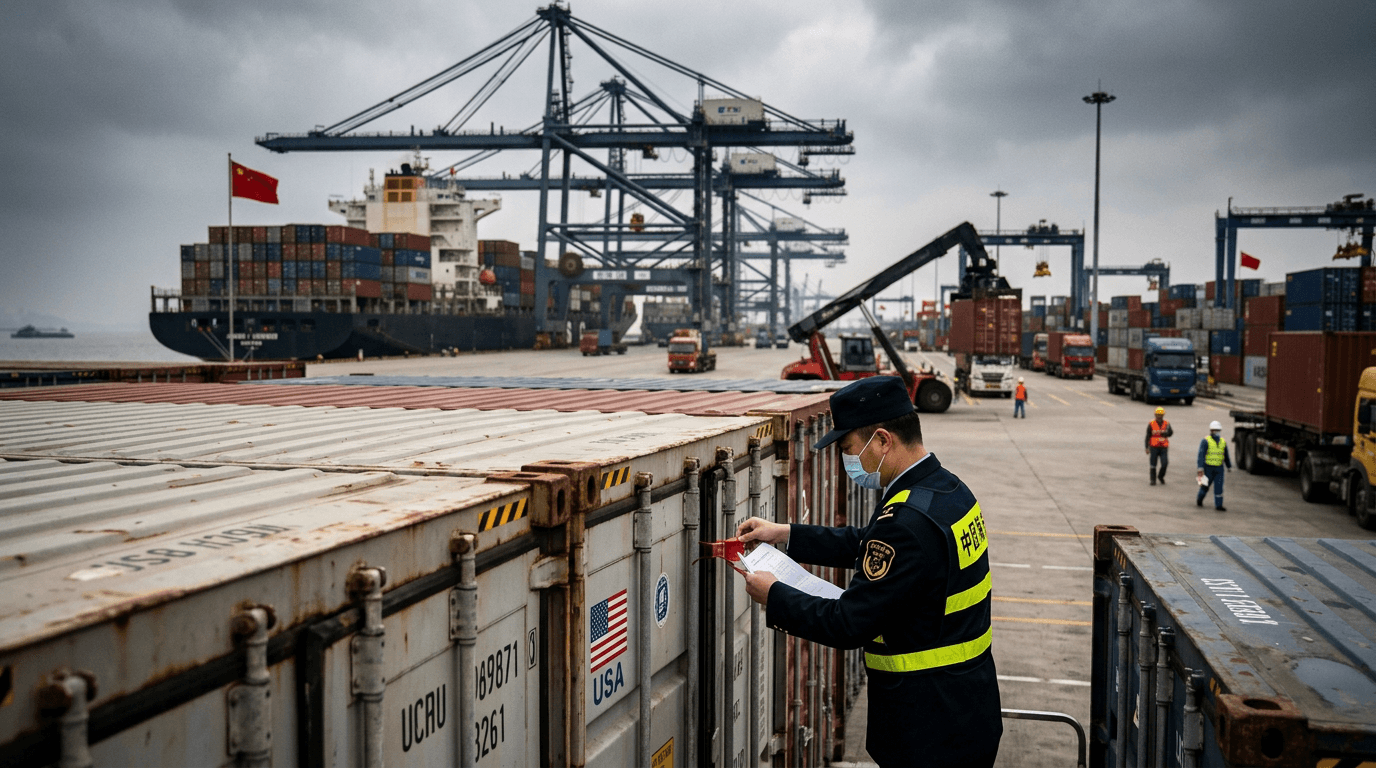
China's announcement in mid-April 2025 to elevate tariffs on American goods to 125% marks a significant escalation in the trade dispute between the world's two largest economies. This decision, which takes effect on April 12, represents a sharp increase from the prior 84% tariff rate, demonstrating China's readiness to counter the Trump administration's increasingly aggressive trade posture. The move has sent ripples through global markets, affecting supply chains, currency valuations, and investor sentiment worldwide.
Understanding the Rapid Escalation
To comprehend the impact of China's tariff increase, it's crucial to examine the swift escalation leading up to it. On April 9, the US had raised tariffs on Chinese imports to 104%, quickly escalating them to 125% a day later, citing China's perceived "disrespect" for global markets. In response, China matched this 125% rate on American goods. This rapid succession of tariff hikes, which saw rates soar from around 50% to over 120% in less than two weeks, underscores the acceleration of trade tensions that have been brewing throughout the year.
Beijing's Strategic Positioning
China's announcement on April 11 was significant not just for the tariff increase, but for the statement from the Ministry of Finance. Chinese officials declared that the market could no longer tolerate US goods under the current tariff levels and emphasized that this would be the final hike. The ministry characterized US actions as "unilateral bullying and coercion," labeling them a "serious violation of international economic and trade rules." This rhetoric suggests that China is drawing a firm line, indicating that future US tariff hikes will not elicit proportional Chinese responses. Instead, Beijing hinted at exploring alternative forms of retaliation if tensions persist.
Economic Implications for Global Markets
The tariff announcements have reverberated through global financial markets, particularly affecting currency valuations and equity indices. The Hong Kong HS50 index plunged over 20% from its March 19 peak, officially entering bear market territory as investors recalibrated China's growth prospects. Economists estimate that these escalating tariffs could shave one to two percentage points off China's annual GDP growth, posing a substantial challenge to the world's second-largest economy. The trade war's uncertainty has weakened the dollar as investors question the sustainability of such high tariff rates and their potential to trigger a global economic slowdown. For traders in forex and futures markets, this scenario presents both significant risks and opportunities as volatility spikes across commodities, emerging market currencies, and trade-sensitive equity indices.
Broader Lessons for Simulated Finance and Trading
For participants in simulated finance platforms like E8 Markets, these trade tensions provide valuable insights into how macroeconomic events influence market dynamics. The tariff escalation underscores the importance of monitoring policy announcements, understanding geopolitical contexts, and recognizing when market sentiment shifts rapidly based on headline news. The rapid climb in tariff rates—from modest levels to over 120% in weeks—demonstrates how quickly risk appetites can change and how sensitive markets are to policy uncertainty. Traders who anticipated escalation and positioned accordingly capitalized on the volatility, while those expecting stability faced significant mark-to-market losses.
Looking Ahead
While China's April 12 announcement seems to mark a final escalation point from Beijing's perspective, underlying tensions between the US and China remain unresolved. The ministry's indication that further US tariff increases would not be matched suggests that any future Chinese retaliation could take different forms—potentially through restrictions on rare earth exports, targeted sanctions on US companies, or limits on technology and intellectual property flows. For market participants, this uncertainty necessitates vigilant tracking of official statements and a keen understanding of negotiating positions to make informed trading decisions.
The April 2025 tariff escalation between the US and China represents a pivotal moment in global trade relations, with implications extending beyond the bilateral relationship to affect currency markets, equity valuations, and economic growth prospects worldwide. Understanding these dynamics is crucial for anyone navigating the complex interplay between macroeconomic policy, geopolitical tension, and market outcomes.