
The Rapid Escalation Unveiled
In a striking turn of events, China announced a 125% tariff on US goods, effective April 12, 2025. This move followed the United States' own tariff hike to 145% on Chinese imports on April 10, 2025, illustrating how quickly trade tensions can escalate when both sides adopt aggressive strategies. The immediate response from China, with tariffs shooting up to 125% within days, left businesses scrambling to reconfigure supply chains, procurement strategies, and pricing models. This swift escalation, marked by a dramatic 50% tariff increase, highlighted Beijing's firm stance in the ongoing trade conflict.
China's Economic Calculations
China's decision to raise tariffs to unprecedented levels reveals a deep economic strategy. The Ministry of Finance indicated that the market could no longer sustain US goods under previous tariff conditions, suggesting that further increases would severely disrupt bilateral trade. Labeling US tariffs as "a serious violation of international trade rules" and "unilateral bullying," China maintained a strong rhetorical stance while keeping diplomatic channels open, hinting at potential stabilization through negotiation. This mixed messaging added complexity for traders attempting to predict the conflict's trajectory.
Market Ripples and Trading Dynamics
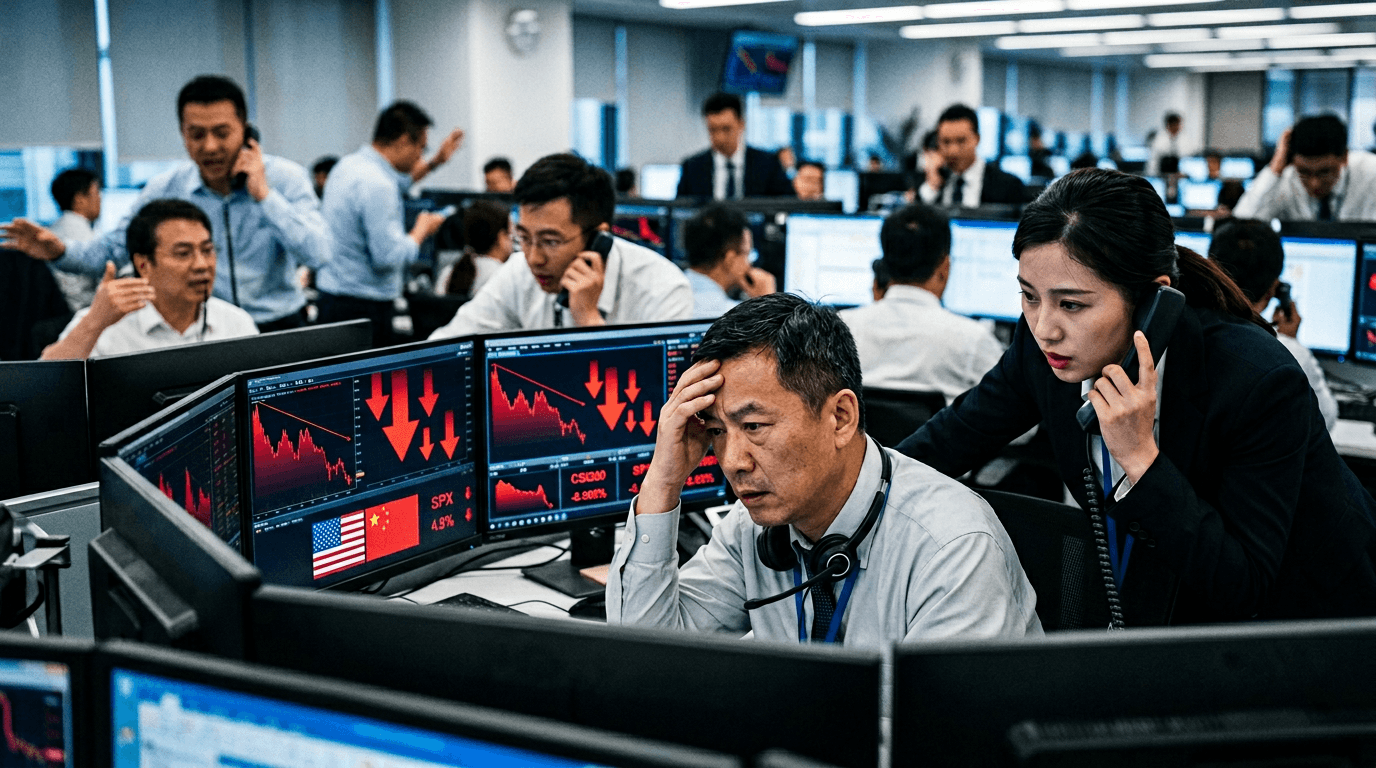
The 125% tariff announcement unleashed immediate market volatility, particularly in currency markets, as traders reevaluated the economic outlook for both nations. This uncertainty extended to futures markets in energy, agriculture, and technology, reflecting the anticipated disruptions in trade flows and demand. For traders in simulated finance environments, this event underscored the importance of monitoring policy announcements and deciphering official rhetoric to anticipate future actions. China's assertion that the 125% tariff was a final increase provided crucial insights for shaping trading strategies.
Lessons for Simulated Traders
The tariff escalation of April 2025 offers key insights for traders navigating policy-driven market shifts. First, policy changes often outpace market expectations, presenting opportunities for those who anticipate major announcements. Second, distinguishing between rhetoric and policy execution is critical; official statements offer early signals of impending actions. Third, understanding the economic limitations policymakers face enriches analytical frameworks. China's claim that the market couldn't absorb goods at existing tariffs highlighted potential boundaries in the conflict. Lastly, recognizing the potential for diplomatic resolutions helps traders avoid one-sided positions vulnerable to sudden de-escalation.
This 125% tariff announcement marked a pivotal moment in a broader policy narrative, continually generating trading opportunities and challenges. By analyzing this escalation, traders can develop sophisticated strategies for anticipating and responding to macroeconomic shocks that influence markets.