
1. Output ONLY the article content in PLAIN TEXT format first 2. NO preamble, introduction, or meta-commentary 3. Start directly with the first paragraph 4. Use ALL CAPS for section headings on their own line 5. Separate paragraphs with blank lines 6. Include 3-5 main sections 7. Make it engaging and educational 8. At the END, provide TITLE, EXCERPT, and NEWSIMPACTSCORE on separate lines
From the search results, I can see: - Bitcoin, Ethereum, and Ripple are near key technical support levels - There's a 2% pullback amid US-Iran tensions - The conflict has been ongoing for 4+ weeks (as of late April 2026) - There have been multiple developments: ceasefire, then violations, then optimism - Crypto is now behaving like a risk-on asset, not a safe haven - Technical levels are critical: February 2 candle low for BTC/ETH, $1.38-$1.40 for XRP - There's been significant ETF outflows (6 consecutive days of negative flows, peaking at $8.5 million)
I need to write this in PLAIN TEXT format - no markdown, no HTML. Section headings should be ALL CAPS on their own line.
Let me structure this: 1. Opening paragraph - set the scene 2. The Geopolitical Context 3. Technical Levels Under Pressure 4. Why Crypto Behaves Like Risk-On Assets Now 5. Risk Management and Key Takeaways
Let me write this carefully in plain text format with proper line breaks.
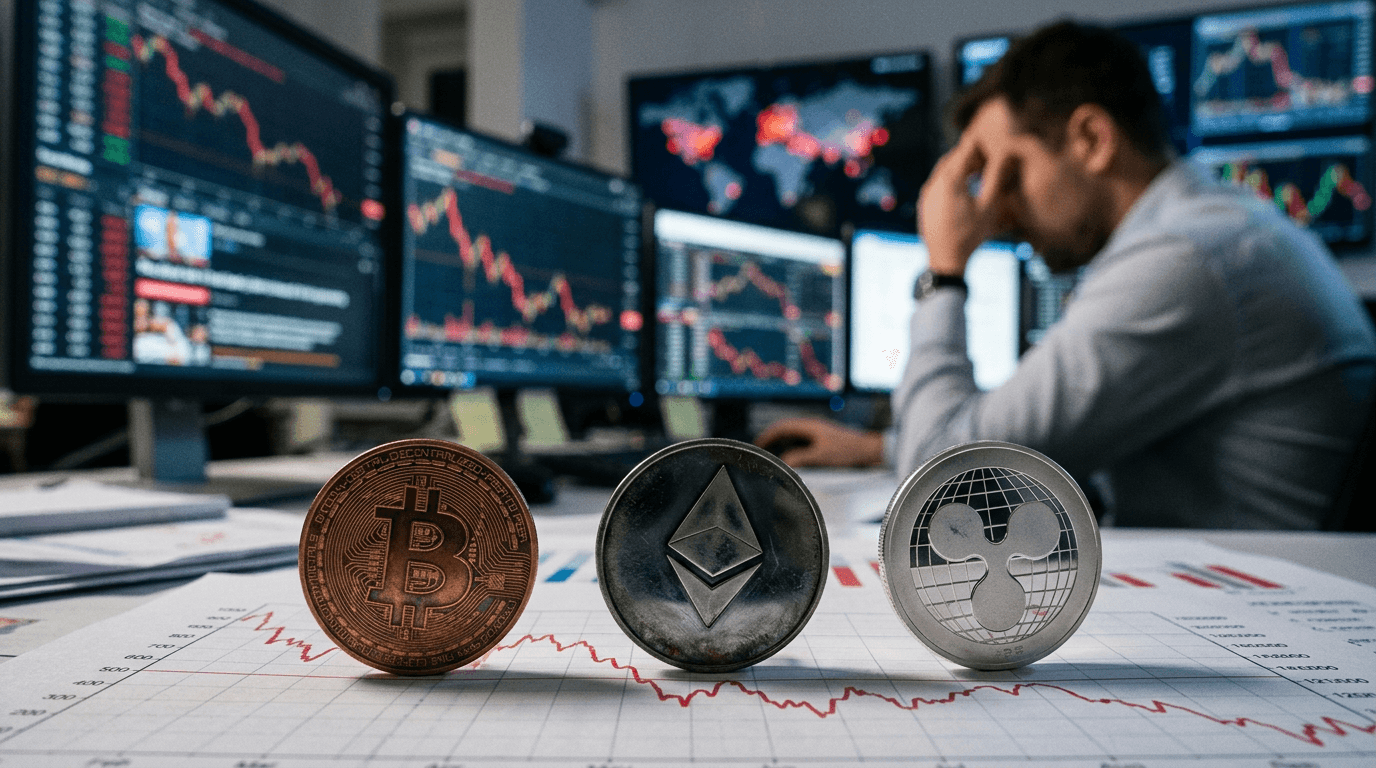
As we navigate deeper into the fourth week of US-Iran conflict, cryptocurrency markets face a critical inflection point. Bitcoin, Ethereum, and Ripple have retreated approximately 2% from recent highs while hovering precariously near key technical support levels. The question confronting traders isn't whether these assets will hold their ground, but rather what fundamental shift in investor behavior has transformed digital assets from supposed safe-haven instruments into highly sensitive, liquidity-driven risk assets that plummet when geopolitical uncertainty intensifies.
Understanding The Geopolitical Backdrop
The US-Iran tensions that have gripped markets since late February have fundamentally reshaped how investors perceive cryptocurrency's role in their portfolios. This conflict hasn't simply created headline risk—it has exposed a critical misconception that Bitcoin and other digital assets operate as safe havens during periods of global turmoil. When tensions escalated dramatically on February 28 during intensified US-Israeli military actions, the market's response was brutal and unambiguous: Bitcoin dropped 6.4%, Ethereum fell 8%, and Ripple decreased 9%.
The situation has evolved considerably since then. President Trump announced a conditional two-week ceasefire on April 7, spurring initial optimism and driving Bitcoin as high as $76,000. However, the optimism proved fragile. Failed negotiations in Islamabad, followed by US Navy blockade announcements regarding the Strait of Hormuz, created renewed uncertainty. Most recently, Iran has claimed ceasefire violations, triggering fresh selling pressure across all major cryptocurrencies. This volatile backdrop has created an environment where any headline development—whether toward peace or escalation—can swing markets dramatically.
Critical Technical Levels Demanding Attention
For traders seeking objective decision points in this subjective environment, technical analysis provides essential guardrails. Ethereum currently trades within an inclining parallel channel on the weekly chart, with the February 2 candle low representing a critical threshold. If Ethereum breaks below this level, it would confirm a bear flag pattern on the weekly timeframe, potentially unleashing a cascade toward the $1,270 to $1,351 support range. This isn't mere speculation—it's a predetermined scenario that disciplined traders can monitor and act upon systematically.
Bitcoin's technical picture requires similar vigilance. The February 2 weekly candle low functions as a critical decision point for both Bitcoin and Ethereum. These aren't arbitrary lines on a chart; they represent historical levels where supply and demand previously balanced. Breaking below these thresholds signals that seller pressure has overwhelmed buyer interest, often triggering algorithmic selling and cascading liquidations.
Ripple presents its own technical narrative. XRP has consolidated around the $1.38 to $1.40 support zone. This range has assumed heightened importance given broader market weakness. A decisive break below this zone would eliminate a key floor for XRP holders and potentially accelerate declines toward lower support structures.
The Reality Of Crypto As A Risk Asset
Perhaps the most important lesson from this extended conflict is recognizing that Bitcoin no longer behaves as the geopolitical safe haven that early proponents imagined. Recent data reveals the true severity of risk-off sentiment: six consecutive days of negative flows in spot Bitcoin and Ethereum ETFs, with outflows peaking at approximately $8.5 million. This systematic rotation suggests investors are moving capital toward traditional safe havens like bonds and precious metals rather than maintaining digital asset exposure.
When the geopolitical clouds darken, investors flee to Treasuries, the US dollar, and gold—not Bitcoin. The realization fundamentally changes how traders should approach position sizing and leverage decisions during periods of international tension. Selling pressure compounds when leveraged traders face forced liquidations, creating downside acceleration that catches many participants off guard.
Paradoxically, the ceasefire announcements have temporarily reversed this dynamic, with crypto surging on peace optimism. However, this risk-on rebound remains fragile, dependent entirely on diplomatic progress. Any hints that negotiations have stalled or deteriorated trigger renewed selling pressure.
Crafting Your Risk Management Strategy
The current market environment demands disciplined risk management above all else. Rather than attempting to predict which direction geopolitical headlines will push markets next, establish predetermined entry and exit points based on identified technical support and resistance zones. This removes emotional decision-making from the equation.
Monitor the February 2 weekly candle low for both Bitcoin and Ethereum as your critical decision point. If price action violates this level on a closing basis, recognize that the technical structure has deteriorated and adjust your position accordingly. For XRP, watch the $1.38 to $1.40 support zone with similar vigilance.
Most importantly, acknowledge that geopolitical developments will likely continue dominating price action in the near term. This volatile environment doesn't lend itself to aggressive positioning or overleveraged trades. The most profitable approach often involves patience, discipline, and strict adherence to predetermined risk management protocols. In markets where uncertainty reigns supreme, capital preservation becomes as valuable as capital appreciation.