
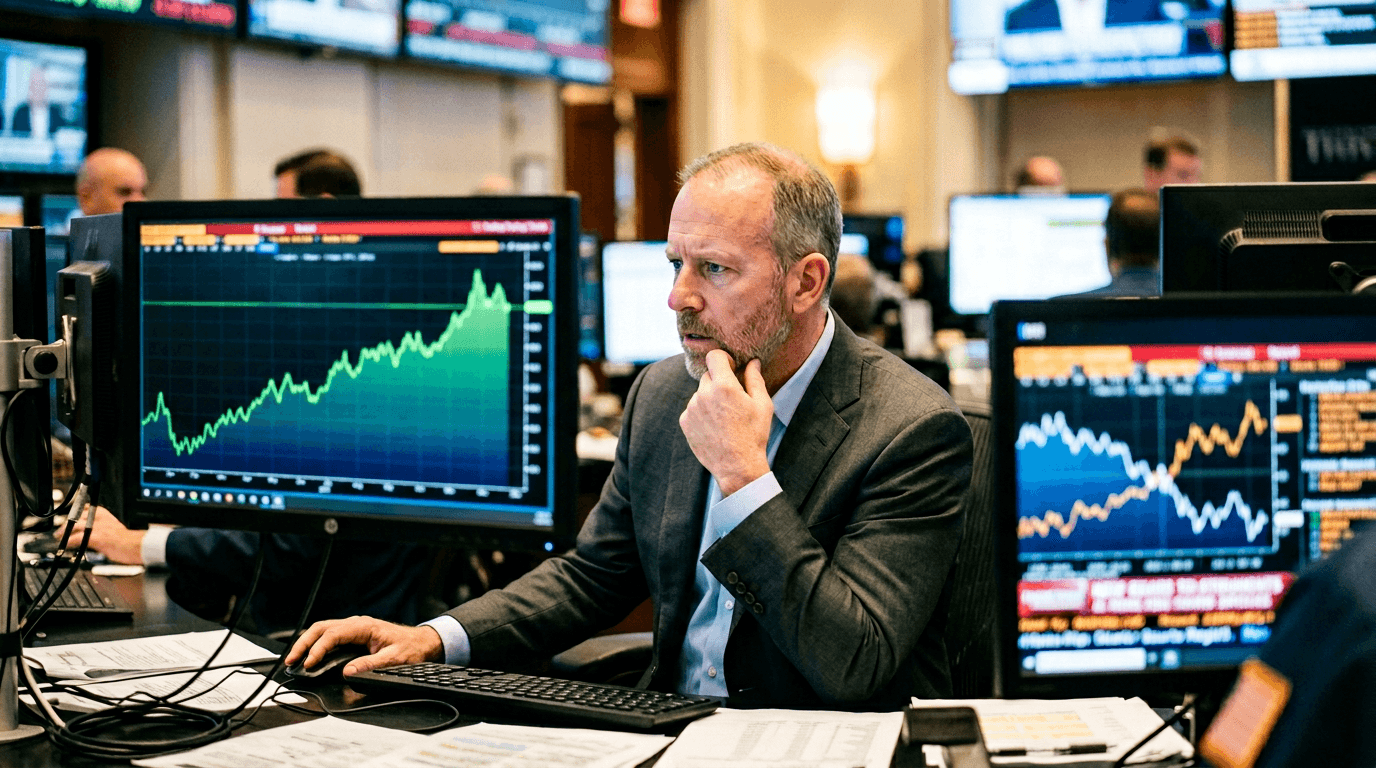
Dollar Steadies at 100.20 Amidst Middle East Tensions and Market Uncertainty
The US Dollar Index (DXY) currently hovers around the 100.20 mark, a testament to a market grappling with both bullish technical signals and the unpredictability of escalating Middle East tensions. Following a climb from support in the 96-97 range, the dollar has rebounded impressively, gaining 2.13% over the past month. Yet, it remains vulnerable to geopolitical shocks. The current trading band, spanning 99.60 to 101.00, encapsulates the ongoing struggle between the dollar's fundamental strength and the volatile news cycles that can rapidly sway market sentiment. For traders and investors in the currency markets, this week has provided a vivid illustration of how swiftly macroeconomic narratives can evolve and reshape forex strategies.
Geopolitical Tensions: A Catalyst for Safe-Haven Demand
The recent dollar surge is primarily driven by heightened tensions in the Middle East, especially concerning Iran. Talk of potential US military actions, including the seizure of oil infrastructure and the deployment of ground troops, has prompted investors to seek refuge in US dollar-denominated assets. In times of geopolitical uncertainty, the dollar, as the world's reserve currency, typically serves as the ultimate safe-haven asset. This trend has been evident this week, with the DXY reaching its highest point in approximately 10.5 months. Investors are effectively placing their bets on the dollar, reallocating capital from riskier assets in emerging markets and commodities. This dynamic is likely to persist as long as headline risks remain elevated, making geopolitical vigilance crucial for any trader with currency exposure.
Interestingly, while the dollar strengthens due to safe-haven demand, this very dynamic exerts pressure on yield differentials. The flight to safety has driven Treasury yields lower, which typically reduces the allure of dollar-denominated fixed income. This competing force has limited the dollar's gains, preventing the DXY from accelerating further despite the geopolitical tailwind. This tension between safe-haven demand and interest rate implications creates a complex backdrop, where traditional relationships between policy and currency values become less predictable.
Technical Levels Shaping Short-Term Trajectories
From a technical standpoint, the DXY is nearing critical resistance between 101.9 and 102.0, a zone that has proven significant throughout the current trading cycle. The index's bounce from the 96-97 support level, which has held since July 2025, underscores the importance of key technical levels in shaping market dynamics. A break above 102 could potentially ignite a momentum phase toward 103.5 to 104, signaling a decisive departure from the multi-month horizontal trading range that has contained the dollar index. Currently, technical analysts are divided on the likelihood of a breakout, with various probability scenarios suggesting a 35% chance of a bullish breakout, a 45% chance of range rejection, and a 20% probability of consolidation.
The technical landscape is further complicated by the fact that fundamental factors, particularly geopolitical developments, are overshadowing traditional technical analysis. When markets are driven primarily by headline risk, price action can breach levels that would typically offer support or resistance. This creates an environment where disciplined risk management becomes paramount, as technical stops can be quickly overridden during volatile reversals.
The Dollar's Year-to-Date Performance
While the dollar has appreciated by 2.13% over the past month, it remains 3.58% down over the trailing 12 months, reflecting a broader weakening trend that preceded the recent rally. This year-to-date weakness, juxtaposed with this month's strength, suggests that the current move may be a temporary reprieve rather than a new sustained uptrend. Currency traders should contemplate whether this is positioning for a longer-term dollar recovery or a tactical rebound within an ongoing bear trend. The outcome likely hinges on whether geopolitical tensions persist or resolve, and whether the US Federal Reserve maintains higher interest rates relative to other central banks.
Key Developments for Traders to Monitor
For active traders and investors managing forex exposure, several critical developments warrant close attention. First, any resolution or escalation in Iran tensions will likely determine whether the dollar can sustain its current levels or if a retreat to the 99-100 zone ensues. Second, upcoming economic data releases that could alter interest rate expectations deserve scrutiny, as yield differentials remain a fundamental driver of long-term currency trends. Third, the technical setup around 102 is worth monitoring closely, as a breakdown or breakthrough at this level could establish directional bias for the weeks ahead.
The current environment underscores why successful currency trading necessitates vigilance across multiple factors: geopolitical developments, technical structure, interest rate differentials, and broader macroeconomic trends. The DXY's current trading range of 99.60 to 101.00 represents not just a technical zone but a battleground between these competing forces.
NEWSIMPACTSCORE: 6