
---
A Watershed Moment for the Dollar
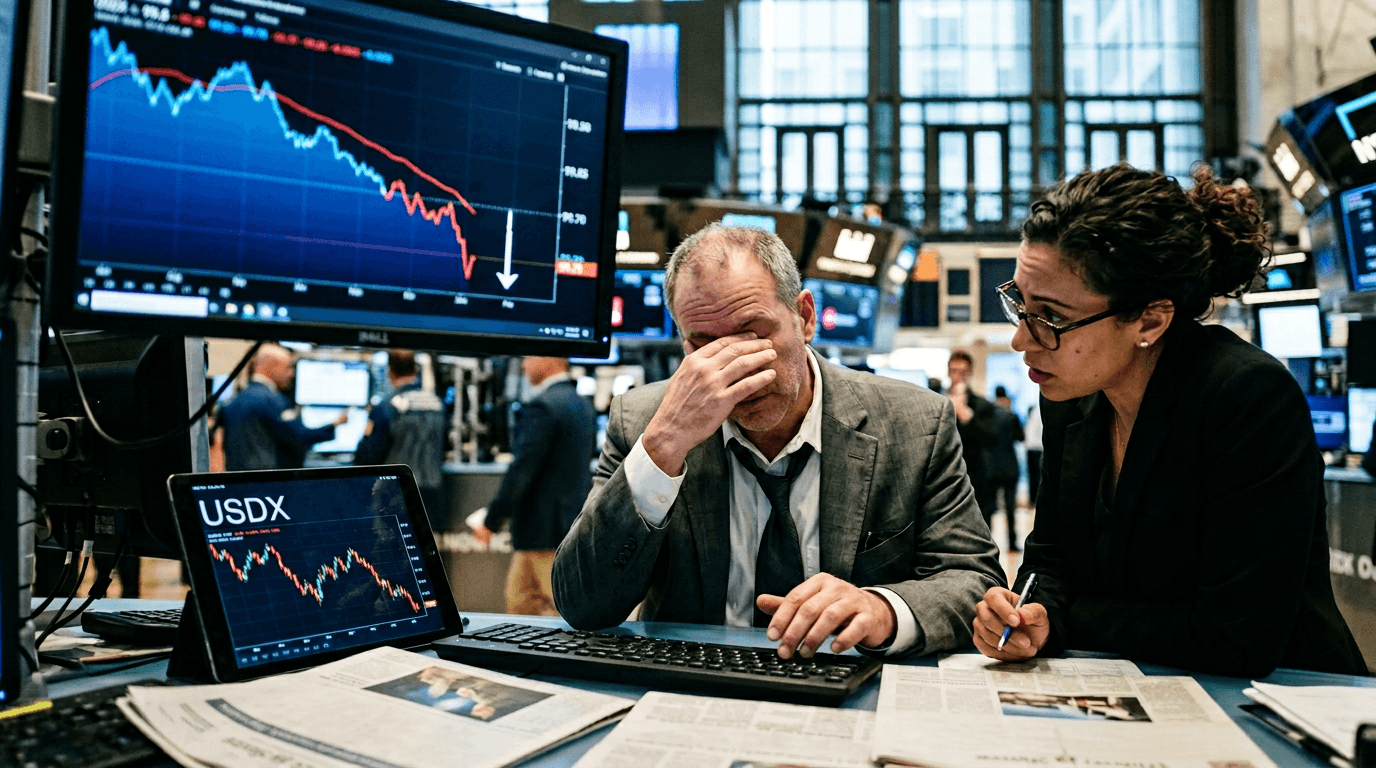
For the first time since July 2023, the US Dollar Index has slipped below the crucial 100 mark, reaching a low of 99.74. This is not just a minor technical adjustment; it's a pivotal moment in global currency markets that demands the attention of traders and investors. The breach of this psychologically significant level indicates a major shift in currency dynamics, influenced by a blend of monetary policy changes, geopolitical developments, and trade policy uncertainties reshaping global capital flows.
For more than a decade, the 100 level has served as a vital psychological and technical benchmark for the dollar. When such a well-established support level collapses amid high trading volumes, it signals genuine institutional repositioning rather than mere market noise. The substantial volume associated with this breakdown reveals that major players are systematically shedding dollar positions, indicating a serious reevaluation of the currency's strength in the current environment.
Unpacking the Dollar's Decline
The fall below 100 wasn't sparked by a single event but rather a convergence of macroeconomic pressures and policy shifts. Central to this weakness is the Federal Reserve's significant policy reversal. For years, elevated US interest rates attracted global capital seeking higher returns, providing solid support for the dollar. However, with the Fed halting its rate hike cycle and markets anticipating steady or declining rates through 2026, this fundamental pillar of dollar strength has weakened considerably.
Adding to the greenback's troubles are escalating tariff tensions under the current administration. Wall Street initially expected dollar strengthening after the political transition, yet the currency has dropped more than 7 percent since the administration's start. Uncertainty surrounding tariff strategies and strained trade relationships with China have led to persistent selling pressure on dollar-denominated assets. Investors are increasingly concerned about recession risks from protectionist policies, further dampening demand for dollar-backed investments.
Geopolitical factors have also played a significant role. News of potential ceasefire discussions between Iran, the United States, and regional mediators initially pressured the dollar as investors shifted away from safe-haven assets. This reflects a broader market dynamic: as global risk appetite grows, the safe-haven appeal of US dollar assets diminishes just as monetary support wanes.
Technical Indicators Flash Warning Signs
From a technical standpoint, breaking the 100 barrier poses alarming signals for dollar bulls. The 50-day moving average has decisively fallen below the 200-day average, forming a bearish "death cross." This pattern suggests sustained selling pressure and weakening momentum, rather than a temporary pullback.
The pattern of descending highs and lows on daily charts confirms a systematic reduction in dollar exposure by institutional investors. Current support levels now hover near 98.50, a zone untested since early 2023. Should the dollar breach this level, it could enter uncharted territory with significant downside risk. Conversely, the 100.20 to 100.50 range has emerged as critical resistance. Sustaining above this level could prompt attempts toward 101.60 or even 103, though given current selling strength, further declines are likely.
Implications for Traders and Investors
This dollar weakness carries significant implications across various asset classes and markets. A weaker dollar typically provides competitive advantages for US exporters and can attract foreign investment into American assets priced in cheaper currency terms. However, it also raises inflation concerns and complicates Federal Reserve decision-making by reducing the urgency for rate cuts.
Currency flows haven't disappeared—they've simply shifted. The Japanese Yen and Swiss Franc have emerged as prominent safe-haven alternatives as investors reassess their currency allocations. This shift reflects growing skepticism about the dollar's safe-haven status in an environment where monetary stimulus is diminishing and trade policy uncertainty remains high.
Analysts at major financial institutions expect the dollar to remain under pressure in the near term, while the Euro and Japanese Yen gain strength. This positioning suggests the current weakness reflects more than temporary volatility—it indicates a structural reassessment of relative currency valuations.
What Lies Ahead
The dollar's future path depends critically on upcoming economic data and Federal Reserve communications. Positive surprises in inflation or employment figures could swiftly reverse dollar weakness, while indications of slower growth or earlier rate cuts would likely push it lower. Traders must closely monitor economic calendars for employment reports, inflation data, and central bank announcements, as these catalysts will determine whether this marks the beginning of a prolonged dollar decline or merely a pause in extended valuations.
Volatility will undoubtedly persist throughout this transition, creating both challenges and opportunities for disciplined traders. The descent below 100 represents a genuine watershed moment for currency markets. Those who understand both technical indicators and fundamental forces will be best positioned to navigate the directional movements emerging from this shifting landscape.