
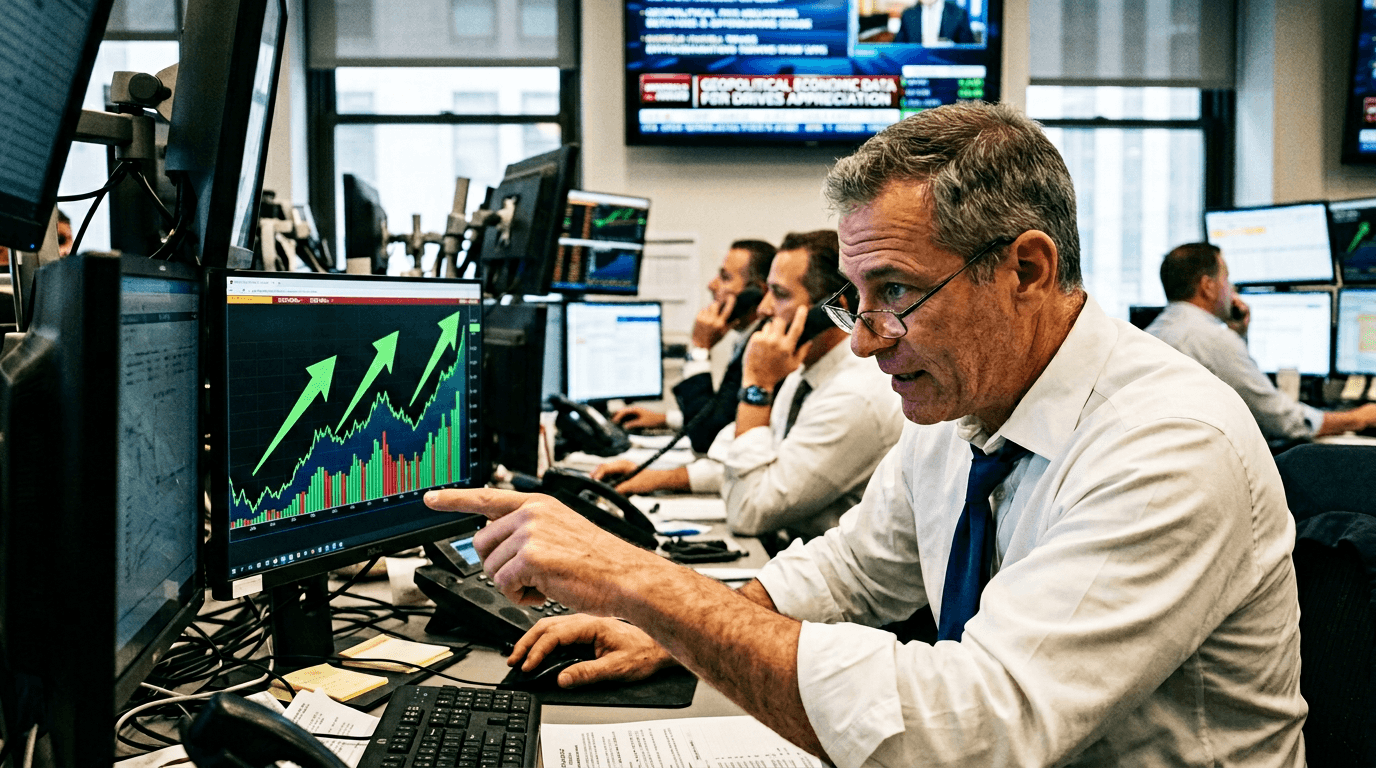
The US Dollar has been displaying significant strength against major currency pairs during the New York trading session, with recent trends indicating the dollar reaching new highs for 2026. This upward momentum highlights the changing dynamics of the market and emphasizes the importance of the New York session in influencing global forex movements. For both novice and experienced traders, understanding these patterns of dollar strength is crucial for spotting trading opportunities and effectively managing risk.
The current rally of the dollar is fueled by geopolitical tensions and a broader move towards safe-haven assets. The US Dollar Index has recently reached fresh highs for 2026 as concerns about Middle East tensions and global uncertainty drive investors to seek safety in the greenback. This scenario illustrates how macroeconomic events and geopolitical factors can significantly affect currency valuations during peak trading periods, aiding traders in predicting volatility and strategically positioning themselves during high-impact sessions.
Why The New York Session Matters For Dollar Strength
The New York session is the final and often the most volatile trading window of the forex day, playing a crucial role in USD strength. As the world's primary reserve currency, the US dollar is a key player in nearly 90 percent of all forex transactions, underscoring the fundamental importance of the New York session for global currency markets.
A unique feature of the New York session is its overlap with the London trading hours from 8:00 AM to 12:00 PM EST. This period of overlap is marked by high liquidity, particularly when both European and American traders are active participants. During this time, trading volumes and market activity peak, creating conditions where price movements can be rapid and significant. Tighter spreads during this overlap are advantageous for day traders seeking quick price shifts and swing traders aiming for momentum over longer time frames.
Currency Pairs Most Affected By Dollar Strength
The recent strength of the dollar has notably impacted major USD-denominated pairs. EUR/USD, the most traded currency pair worldwide, typically sees daily ranges of 50 to 90 pips during the London session, with these ranges expanding to 60 to 100 pips during the New York overlap as the dollar strengthens. GBP/USD has also experienced considerable movements, often witnessing daily fluctuations of 70 to 110 pips during the New York session. These significant swings underscore the dollar's dominance and the large capital flows into USD pairs when market sentiment shifts.
USD/CAD is another key pair influenced by New York session activity, with typical daily ranges of 40 to 70 pips during the session. The closeness of the US and Canadian markets creates natural trading synergies. USD/JPY, while generally showing milder volatility compared to EUR/USD and GBP/USD, reacts swiftly to US data releases and rate expectations, generating meaningful moves during major US employment or inflation reports.
The Economic Catalysts Driving Dollar Appreciation
The dollar's strength during the New York session is driven by specific economic data releases and policy announcements. Key US releases such as nonfarm payrolls, CPI data, GDP figures, Federal Reserve statements, and unemployment data occur during New York hours, causing sharp movements in EUR/USD, GBP/USD, USD/JPY, and other major pairs. These reports directly affect rate expectations and drive volatility in dollar pairs.
Economic releases are major drivers of price movement during the New York session because US data often leads global capital flows. When inflation data exceeds expectations, employment numbers surprise positively, or Fed speakers convey a hawkish sentiment, capital flows intensify into the dollar. The current environment reflects these dynamics, with geopolitical risk premiums supporting dollar demand alongside typical economic considerations.
Trading Implications And Strategic Takeaways
For traders aiming to capitalize on dollar strength patterns, several key principles emerge from the current market environment. First, focus on pairs with significant US dollar involvement for the clearest moves and tightest spreads during the New York session. EUR/USD and GBP/USD provide deep liquidity and narrow spreads during overlap hours, making them ideal for capturing dollar strength momentum.
Second, remain aware of the economic calendar and set alerts before high-impact events. Spreads can widen, and slippage can increase around significant data releases, making position management essential. Consider using risk management tools like stop losses set beyond swing lows or multiples of the 14-period Average True Range, and aim for risk-reward ratios of 1.5 to 3 or employ trailing stops using ATR to secure profits as moves continue.
Third, understand that trading activity during the New York session affects global market trends. Movements in the US stock market, bond market, and other financial instruments often influence forex trading during this time. By recognizing these interconnections, traders can anticipate broader market shifts and position themselves accordingly.
The dollar's current strength during New York sessions reflects fundamental market dynamics—US currency dominance, economic leadership, and safe-haven demand. By grasping these drivers and adapting trading strategies to leverage New York session characteristics, traders can effectively benefit from dollar strength while managing risk in this dynamic and liquid trading environment.