
Key requirements: 1. Start DIRECTLY with the first paragraph - NO preamble 2. PLAIN TEXT format (no HTML, no markdown) 3. ALL CAPS for section headings on their own line 4. Blank lines between paragraphs 5. 3-5 main sections with clear takeaways 6. Engaging and educational content 7. At the END: TITLE, EXCERPT, NEWSIMPACTSCORE on separate lines
Let me extract the key information from the search results: - Dollar headed toward first weekly gain in 3 weeks - Dollar index around 98.75-98.81 - Weekly gain of about 0.5-0.59% - Safe-haven demand due to US-Iran tensions - Stalled peace negotiations between US and Iran - Middle East uncertainty, Strait of Hormuz blockade - Oil prices rising (Brent above $105/barrel) - Euro declining against dollar - Yen weakening against dollar - Tensions over ceasefire, blockade, nuclear issues, Strait control - Fed expected to keep rates unchanged
I need to write this in plain text, with clear sections, no markdown formatting. Let me structure it with: 1. Opening paragraph explaining the situation 2. What's driving the dollar strength (safe-haven demand) 3. Global currency impacts 4. Market implications and what traders should watch 5. Conclusion/takeaways
Let me aim for approximately 800 words and make it engaging while staying accurate to the search results.
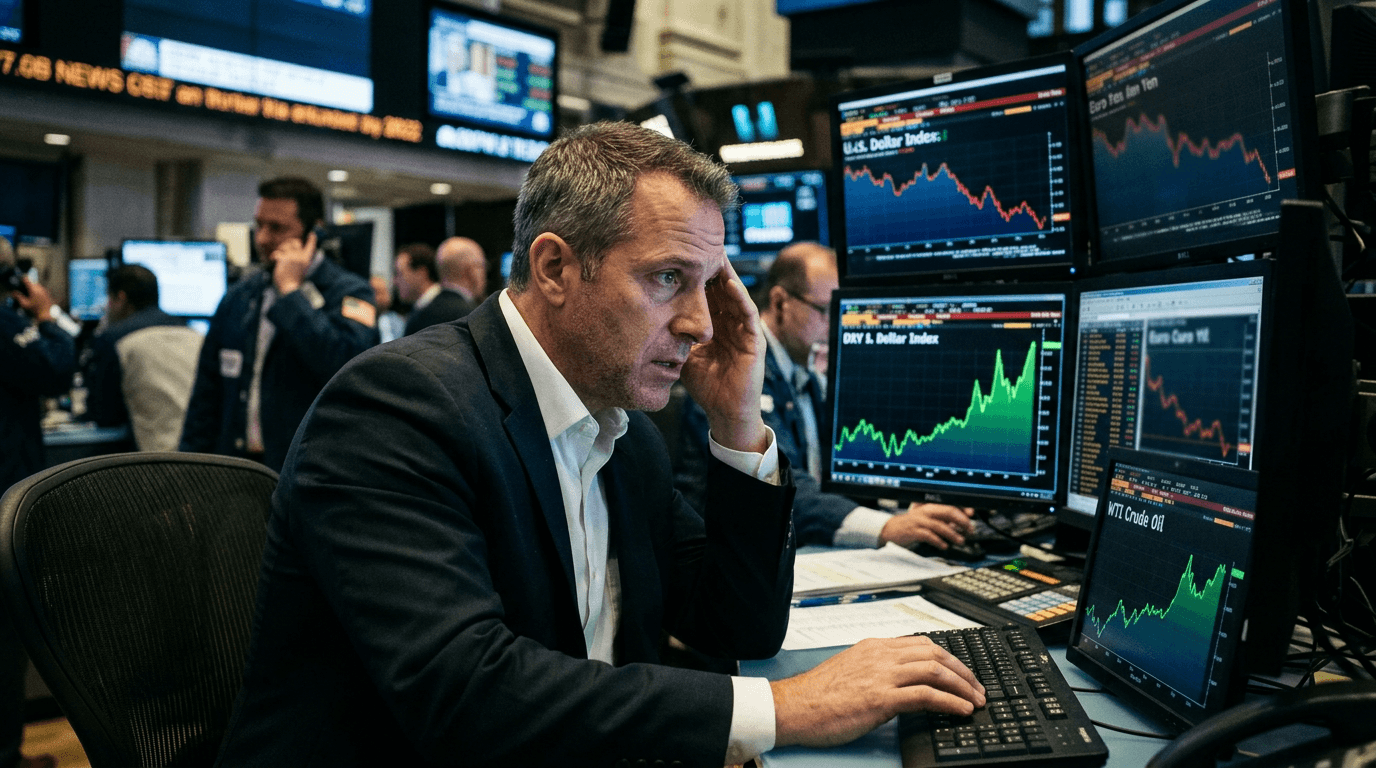
The U.S. dollar is on track for its strongest weekly performance in weeks as escalating tensions between Washington and Tehran continue to drive investors toward safe-haven assets. The dollar index, which measures the greenback against a basket of major currencies including the yen and euro, is headed for a weekly gain of approximately 0.5 to 0.59 percent, marking its first weekly advance in three weeks. This move reflects a fundamental shift in market sentiment as geopolitical uncertainty in the Middle East outweighs other economic considerations, pushing traders to reassess their currency positioning and risk exposure.
The Safe-haven Currency Phenomenon
When global uncertainty spikes, investors instinctively seek stability. The U.S. dollar has historically served this role, and current market dynamics are no exception. As peace negotiations between the United States and Iran remain deadlocked over critical issues including ceasefires, blockades, nuclear concerns, and control of the Strait of Hormuz, the demand for dollar-denominated assets has accelerated. The dollar index rose more than 0.1 percent on Friday alone, extending gains for the fourth consecutive session. This pattern underscores how geopolitical risk translates directly into currency market demand, benefiting the dollar as traders prioritize stability over yield or other considerations.
The ongoing stalemate has kept the Strait of Hormuz effectively closed, with both the U.S. and Iran maintaining blockades that threaten to disrupt global energy supplies. This strategic waterway, through which a significant portion of the world's oil flows, remains one of the most critical chokepoints in international commerce. Recent incidents, including Iran's display of control over the corridor through footage of commandos boarding cargo vessels, have intensified concerns about the durability of global supply chains and the potential for an energy sector shock that could ripple through economies worldwide.
Energy Prices Amplify The Dollar Strength
The connection between Middle East tensions and oil prices creates a reinforcing cycle that strengthens dollar demand. With Brent crude advancing for a fifth consecutive day and climbing above 105 dollars per barrel, energy costs are surging at a time when global economies are already wrestling with inflation concerns. This price surge contributes to a stronger dollar environment, as noted by analysts at major financial institutions who point to firm crude oil prices as a key driver of current dollar strength. Higher energy costs also raise inflation expectations, which paradoxically can support the dollar as investors anticipate the Federal Reserve may need to maintain higher interest rates for longer than previously expected.
Impacts On Other Major Currencies
The euro has borne the brunt of dollar strength during this period. The common currency rose just 0.1 percent to 1.169 dollars on Friday, continuing losses for its fourth consecutive day against the greenback. European investors have pivoted toward dollar positioning as they reassess risk, causing the euro to approach its lowest level in nearly two weeks. This shift is particularly significant because it reflects a broad reallocation of capital away from the eurozone despite the currency's historical strength during periods of relative calm.
The Japanese yen has experienced similar pressure, weakening 0.01 percent to 159.75 per dollar on Friday as the yen tracked toward its fifth straight day of losses against the greenback. Japanese Finance Minister Satsuki Katayama responded by reiterating verbal warnings about potential intervention, signaling that authorities retain "decisive" tools to combat speculative moves in the foreign exchange market. These comments highlight how aggressively policymakers monitor currency movements when they perceive markets to be overreacting to geopolitical developments.
What Traders Should Watch
The near-term trajectory of dollar strength depends heavily on developments in U.S.-Iran negotiations and broader Middle East stabilization efforts. While Lebanon and Israel extended their ceasefire for three weeks ahead of its original expiration, uncertainty remains about whether this regional arrangement signals broader de-escalation or represents merely a temporary pause. President Trump's social media commentary about ordering the U.S. Navy to take action against vessels laying mines in the Strait has added another layer of unpredictability to market dynamics.
The Federal Reserve's policy stance will also matter significantly. The central bank is widely expected to maintain the fed funds rate unchanged at its upcoming meeting and throughout much of the year as policymakers assess how the Iran conflict affects both inflation and economic growth. Any shift in this guidance could alter the calculus driving safe-haven dollar demand, particularly if the Fed signals confidence that geopolitical developments won't derail economic expansion.
Navigating Uncertainty In The Markets
For traders and investors, the current environment reinforces an important lesson: geopolitical risk remains a powerful market mover that often overrides traditional economic metrics in the short term. The dollar's weekly gains reflect not fundamental economic strength but rather investors' preference for safety during periods of heightened uncertainty. As this crisis evolves, currency markets will likely remain volatile, with the dollar maintaining strength as long as tensions persist. However, any breakthrough in negotiations could trigger rapid repricing across currency markets, particularly as investors rotate back toward higher-yielding assets.