
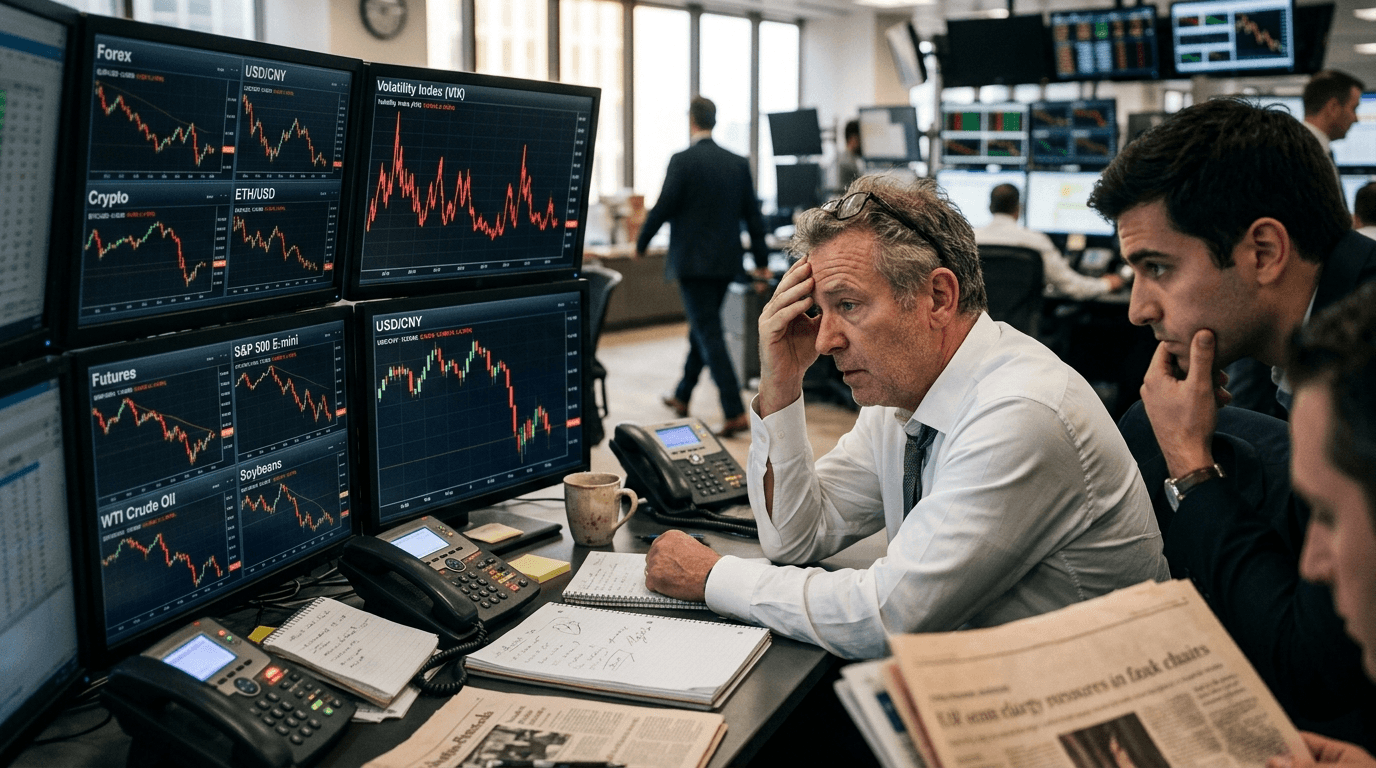
The US-China trade war has hit a turning point. The Trump administration has clarified that tariffs on Chinese imports have spiked to a staggering 145%, a jump from earlier reports pegging them at 125%. This adjustment, alongside a temporary agreement to reduce tariffs to 30% for 90 days, is stirring significant volatility in global markets, posing both hurdles and openings for traders navigating this fractured trade terrain.
UNDERSTANDING THE 145% TARIFF RATE
The reported 145% tariff isn't a straightforward figure; it's composed of several layers. Initially, the US declared a 125% tariff on Chinese goods due to concerns over market exploitation and unfair trade practices. However, this number builds on a pre-existing 20% tariff related to fentanyl control measures put in place earlier in 2025. For traders, grasping this layered structure is vital as product categories may face varying rates based on classification and sectoral carveouts.
The tariff escalation unfolded through calculated hikes starting in early 2025. On February 4 and March 4, 10 percentage point increases were applied across all Chinese imports. This was followed by broad tariffs on steel, aluminum, and automobiles affecting all trading partners. The most significant increases came in April, with hikes on April 5 (10 points), April 9 (74 points), and April 10 (41 points), although some exemptions were made. This strategy reflects the administration's use of tariffs as a bargaining tool while trying to cushion domestic sectors.
Market Impact Beyond The Headlines
The 145% tariff, coupled with China's retaliatory 125% tariff on US goods, has led to notable market disruptions. Though global merchandise trade is projected to lose 0.2%, this minor percentage translates to significant value in the multi-trillion-dollar trade world. For traders, the uncertainty and volatility from these rising tensions have dampened global risk sentiment, affecting forex, cryptocurrency, and futures markets.
The bilateral nature of the tariff war heightens systemic risk. US tariffs on Chinese goods now average 47.5% and cover 100% of all imports, while Chinese tariffs on US exports average 31.9%. This extensive coverage means supply chains across nearly all sectors face potential upheaval. Companies reliant on low-tariff trade between the world's largest economies must rethink production strategies, logistics, and pricing.
The rapid escalation separates this trade war from typical policy shifts. During the first Trump administration (2017-2021), average US tariffs on Chinese imports rose by 16.2 points. In the initial months of the second term in 2025, that increase nearly doubled to 26.8 points. This compressed timeline challenges market participants, offering opportunities for tactical traders but posing risks for those unready for swift reallocation.
The Geneva Agreement And 90-day Tariff Pause
On May 12, 2025, a 90-day tariff truce was reached following top-level talks in Geneva. The US pledged to reduce tariffs on Chinese goods from 145% to 30%, and China agreed to cut tariffs on US goods from 125% to 10%, effective May 14. US Treasury Secretary Scott Bessent called the discussions productive, with both nations committing to address fentanyl control and avoid economic decoupling.
This de-escalation has momentarily eased markets but raises questions about the agreement's longevity. The 90-day period lasts only until mid-August, necessitating that market participants prepare for possible extensions or a return to higher tariffs. The disparity between the 30% US rate and the 10% Chinese rate suggests China might have gained more favorable terms—a point to watch for political sustainability.
Trading Strategies In A Volatile Environment
The tariff path creates varying trading conditions across timeframes. Short-term traders capitalize on volatility spikes around tariff announcements, especially in FX pairs involving the US dollar and Chinese yuan, where tariff expectations directly sway capital flows and growth forecasts. Cryptocurrency markets are also sensitive to trade war escalations, as investors seeking uncorrelated assets flock to digital currencies amid geopolitical and economic uncertainty.
Long-term strategic positioning requires discerning whether tariffs signify structural policy shifts or cyclical negotiation tactics. The scale of tariff increases—US tariffs on Chinese goods are now over 15 times higher than pre-2018 levels—implies some permanence despite immediate deal outcomes. Supply chains optimizing for tariff evasion via reshoring, nearshoring, or relocation to tariff-free countries could unlock trading opportunities in emerging markets gaining manufacturing activity.
The 90-day pause offers a crucial window to determine if de-escalation is structural or merely tactical. Current market volatility reflects genuine uncertainty about the future, presenting opportunities for traders who can differentiate between noise and signal in a shifting policy landscape.
NEWSIMPACTSCORE: 8