
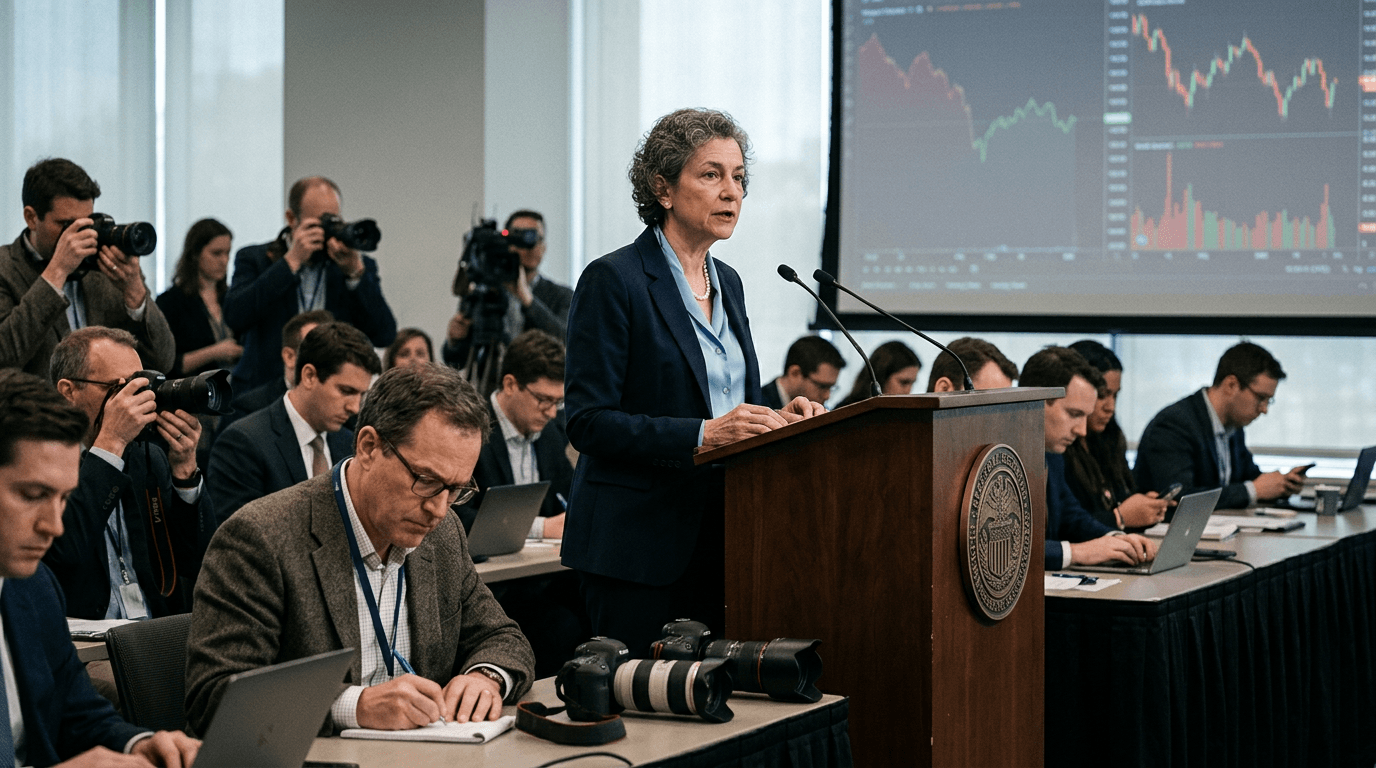
Fed Holds Rates Steady: Navigating Inflation and Geopolitical Turbulence
On March 18, 2026, the Federal Reserve made a pivotal decision that will influence borrowing costs and investment strategies for the foreseeable future. In an expected move, the Federal Open Market Committee (FOMC) voted 11-1 to keep the federal funds rate steady at 3.5% to 3.75%. This marks the second consecutive hold of the year. While the decision itself was anticipated, the underlying concerns about inflation, geopolitical risks, and a weakening labor market are crucial for traders and investors to grasp.
Decoding the Hold Decision
The Fed's decision to pause rate adjustments comes during a critical phase for the U.S. economy. With mounting economic uncertainty and ongoing conflict in the Middle East affecting energy markets unpredictably, Fed Chair Jerome Powell and his team chose a cautious path. The committee acknowledged that, although the benchmark rate remains in neutral territory, the future course relies heavily on upcoming economic data, tariffs, and oil prices' effects on inflation. This cautious stance reflects the Fed's intention to avoid overreacting to temporary disruptions while remaining vigilant about persistent price pressures over the past five years.
The Inflation Conundrum
A key takeaway from the March meeting is the rising inflation expectations. The Fed now projects inflation will hit 2.7% by the end of 2026, a revision from the previous 2.4% estimate in December. This upward adjustment indicates genuine concern about entrenched price pressures, fueled by tariffs increasing consumer goods prices and energy shocks from Middle East instability. Core inflation, excluding volatile food and energy components, is anticipated to finish the year at 2.7%, up from the prior 2.5%. Powell emphasized that if inflation does not progress as expected, rate cuts penciled into the year's projections might be entirely withdrawn. This conditional guidance is pivotal for investors evaluating risk exposure and positioning strategies.
Rate Cut Prospects Diminish
The Fed's policy statement retains the projection of one more rate cut in 2026, unchanged from December's guidance. However, this forecast is fraught with caveats. Several Fed officials hinted at the possibility of a rate hike if inflation proves more persistent than expected, especially if geopolitical tensions escalate. Powell highlighted that the committee considered the option of a rate hike at the April meeting, pending more information about tariff and oil price impacts on the broader economy. For traders watching CME FedWatch probabilities and economic calendars, this message suggests that the anticipated rate cut cycle could be delayed or canceled if inflation remains stubborn.
Labor Market Challenges
While inflation concerns dominated, the Fed is also grappling with a softening labor market, complicating its dual mandate of stable prices and maximum employment. Powell noted a significant slowdown in job gains, with declining labor demand and reduced immigration contributing to weaker hiring metrics. He described the situation as "difficult," balancing the risks of restrictive policy that could further harm employment against the need to control inflation. This tension will likely influence every upcoming decision, explaining why even one dissenting vote came from Trump appointee Stephen Miran, who supported a 25-basis-point cut to bolster the labor market.
Market Implications and Portfolio Strategy
The stock market's immediate reaction to the Fed's decision and Powell's cautious commentary was negative. The S&P 500 fell 1.4%, the Dow Jones dropped 1.6%, and the Nasdaq slipped 1.5%. These declines reflect investor concerns about higher oil prices driving persistent inflation and uncertainty about the duration of elevated rates. For traders on simulated finance platforms, this market dynamic underscores the tangible connection between Fed decisions and broader portfolio performance. The Fed's "higher for longer" messaging shifts downside risk toward equity positions while potentially benefiting fixed-income strategies and cash equivalents in the near term.
Preparing for Future Volatility
The path ahead remains highly data-dependent and event-sensitive. The committee will closely examine employment figures, inflation readings, and geopolitical developments before its April meeting. Market participants should brace for continued volatility as economic surprises shift expectations about the Fed's next move. The unified 11-1 vote indicates more consensus than recent meetings, but the lone dissent reminds us that differing views persist about the correct path forward.
For traders and investors, the March FOMC decision highlights a crucial reality: central bank policy remains restrictive, inflation risks persist, and geopolitical shocks can swiftly alter economic projections. Building strategies that account for multiple scenarios, including possible surprise rate hikes, remains prudent as markets anticipate the next round of economic data and Fed communications.
News Impact Score: 8