
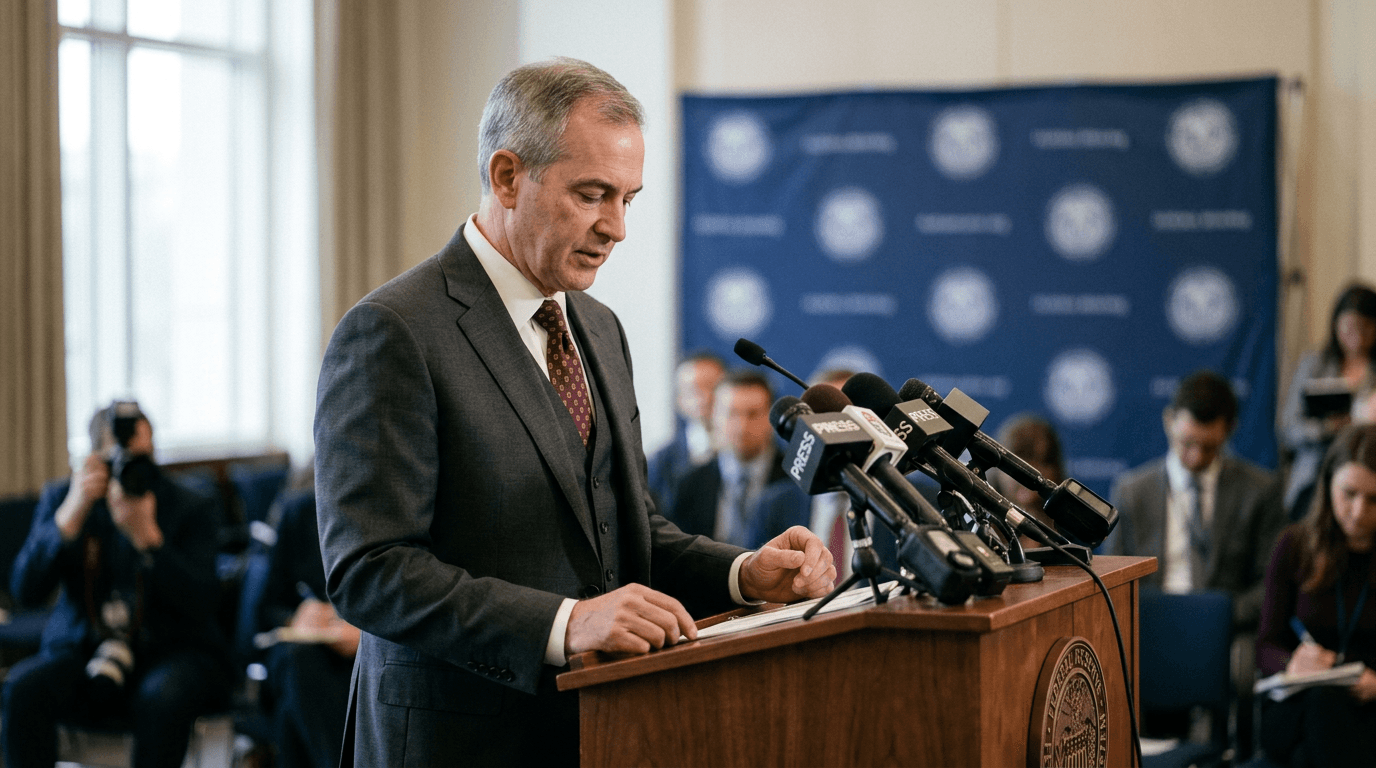
THE FED MAINTAINS RATE BUT SIGNALS FUTURE CAUTION
On March 18, 2026, the Federal Reserve announced its decision to maintain the federal funds rate at 3.5% to 3.75%. This outcome was widely anticipated, with CME FedWatch predicting a high probability of a rate hold. However, the decision carries weight as it reflects the Fed's cautious stance on future policy moves. Fed Governor Stephen Miran's dissent, favoring a 25 basis point cut, was the sole deviation in an 11-1 vote. Notably, Fed Chair Jerome Powell hinted at potential rate hikes in April, contingent on the effects of tariffs and energy prices on inflation—a shift from prior dovish guidance.
Geopolitical And Energy Shocks: New Challenges For The Fed
The ongoing Iran conflict, particularly the closure of the Strait of Hormuz, has disrupted global oil production, elevating crude prices above $100 per barrel. While prices have slightly moderated, they remain high, posing significant inflationary challenges. The Fed's official statement acknowledged these developments, signaling concern about inflation pressures as energy costs permeate the economy. February's consumer price index showed a 2.4% year-over-year increase, but this predates the oil shock, suggesting higher inflation readings ahead.
Labor Market Weakness Adds To The Complexity
The labor market's fragility further complicates the Fed's decision-making. February saw the US economy shed 92,000 jobs, marking a stark reversal from January's modest gains. The unemployment rate rose to 4.4%, with the US seeing zero net job creation over the last six months. The Fed's language shifted from describing unemployment as "stabilizing" to "little changed," reflecting this deterioration. Powell faces a balancing act between inflation concerns and employment weakness, with the Fed poised to act based on forthcoming data.
Dot Plot: One Rate Cut Likely In 2026
Despite potential rate hikes in April, the Fed's projections still include one rate cut for 2026, unchanged from December's guidance. This suggests a careful watch on near-term risks, with the Committee anticipating policy easing later this year. While there is disagreement among members, the median projection remains steady, providing a strategic anchor for traders despite market volatility.
Implications For Forex And Risk Assets
The Fed's decision supports USD strength against major forex pairs like EUR/USD and GBP/USD, as the prospect of aggressive rate cuts diminishes while other central banks face different pressures. This enhances the appeal of dollar assets. Futures markets remain volatile as participants digest the hold decision and Powell's hawkish hints. The Fed's easing cycle, initiated in September 2025, appears on hold, with energy-driven inflation, weak job gains, and geopolitical risks creating significant policy uncertainty. Traders should watch employment data, inflation readings, and Middle East developments as key influences on the Fed's April decision.
As Powell approaches his second-to-last meeting as Chair, the transition to Kevin Warsh's leadership looms, potentially signaling a different monetary policy approach depending on Senate confirmation and Warsh's preferences.