
How Iran-U.S. Tensions Are Fueling Commodity Market Volatility
Geopolitical Ripples Across Commodity Markets
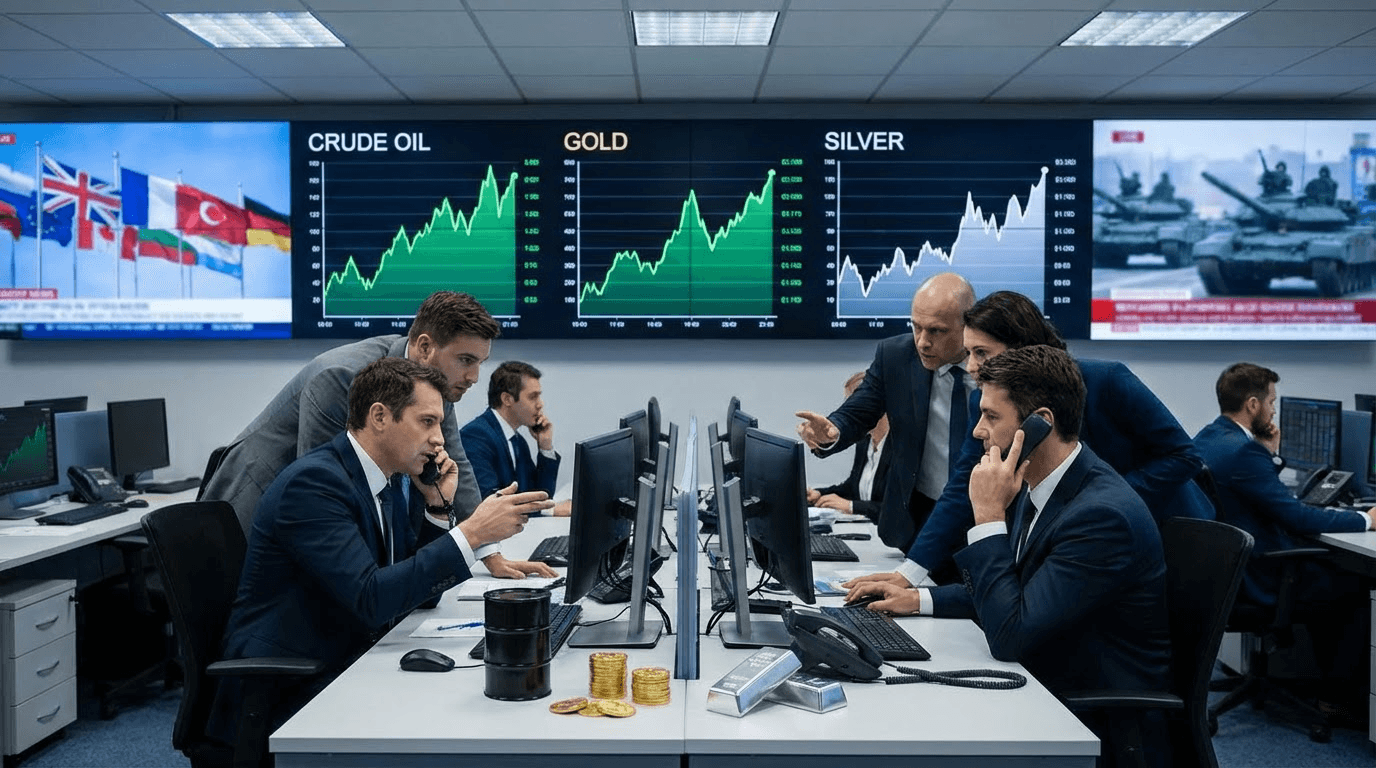
The ongoing geopolitical tensions between the United States and Iran have ignited a significant rally in global commodity markets. Investors, seeking safe-haven assets amid escalating military postures and stalled nuclear negotiations, have driven crude oil up by 3.03% to $64.22. Meanwhile, the precious metals sector has experienced a dramatic surge, with gold climbing 2.37% to $5,022.40 and silver posting an impressive 6.09% gain to $78.015. This synchronized movement across energy and precious metals underscores a classic risk-off sentiment, illustrating how markets instinctively respond to geopolitical uncertainty.
Deciphering the Price Movements
Navigating volatile markets shaped by international tensions demands a deep understanding of the mechanics behind these commodity price movements. The crisis, intensifying since mid-January 2026, vividly demonstrates how real-world events translate into portfolio implications and market opportunities for astute traders and investors.
The Escalating U.S.-Iran Standoff
In recent weeks, the situation with Iran has swiftly deteriorated, transcending diplomatic posturing and escalating into concrete military preparations. The United States has strategically deployed formidable naval assets to the Persian Gulf, including the USS Abraham Lincoln aircraft carrier equipped with advanced F/A-18 and F-35 fighter jets. Pentagon officials confirm that all forces should be fully positioned by mid-March. President Trump has discussed potential military strikes as early as this weekend, though no final decision has been made. Simultaneously, nuclear negotiations via indirect talks in Oman and Geneva remain at an impasse, with both sides acknowledging they are "very far apart" on critical issues. This mix of military readiness and diplomatic stalemate creates genuine uncertainty that commodity markets respond to instantaneously.
The Oil Price Dynamic
Crude oil's 3.03% surge reflects the market's assessment of potential regional instability disrupting one of the world's most vital energy supply routes. The Strait of Hormuz, through which about one-third of global maritime petroleum trade passes, has become a flashpoint as Iran conducts military drills in the waterway. Any military conflict could temporarily restrict oil flows, creating supply concerns that push prices higher. Even without direct disruptions, the mere threat is sufficient to move prices as traders price in risk premiums. The current price of $64.22 per barrel remains moderate compared to historical crisis levels, suggesting that markets perceive a significant but uncertain probability of major supply disruption. For SimFi traders, this scenario offers opportunities to analyze how incremental geopolitical developments affect energy markets and how different scenarios might unfold across various timeframes.
The Precious Metals Flight to Safety
Gold and silver's outperformance compared to crude oil reveals a different facet of market psychology. Gold's 2.37% gain and silver's 6.09% jump reflect the classic safe-haven trade that investors pursue when geopolitical risk escalates. Precious metals, lacking yield, cash flow, or direct economic utility, rise in value during uncertain times because they are viewed as stores of value immune to political instability. Silver's outperformance over gold suggests that risk appetite hasn't vanished entirely—traders are not fleeing to the safest possible assets but are balancing safety with performance potential. The robust action in precious metals indicates genuine concern about negotiation trajectories and defensive portfolio positioning while maintaining some growth exposure.
Trader Implications and Strategic Positioning
For active traders and portfolio managers, these commodity movements create numerous trading opportunities and risk management considerations. The correlation between geopolitical tensions and safe-haven assets has proven remarkably consistent, yet the degree of response varies based on perceived conflict probability and scale. The current situation presents tactical questions: Will diplomatic efforts succeed within the two-week timeframe Iranian officials suggest for submitting detailed proposals? Will the mid-March military deadline serve as a pressure point, forcing agreement or escalating conflict? How much of the current commodity rally is already priced into markets?
For SimFi participants, this situation is particularly relevant as commodity markets respond in real-time to official statements, military movements, and negotiating positions. Traders monitoring State Department press releases, Pentagon statements, and international media coverage can identify turning points before they fully materialize in prices. The U.S. Secretary of State's scheduled February 28 meeting with Israeli Prime Minister Benjamin Netanyahu, with Iran's ballistic missile program on the agenda, represents a key date that could escalate tensions or suggest diplomatic progress.
Looking Ahead
The current commodity market reaction represents a textbook case of how geopolitical uncertainty translates into real financial consequences. Whether the situation resolves through negotiation or escalates into military action, traders positioned for either outcome stand to benefit. The key is maintaining flexibility and responding to new information as it emerges rather than becoming overly committed to a single scenario. As negotiations continue and the mid-March military readiness date approaches, commodity markets will likely remain volatile, offering opportunities for traders who understand the relationship between international events and asset prices. For participants in simulated trading environments, this represents an invaluable opportunity to practice positioning portfolios during genuine market crises and to develop the analytical skills required for navigating uncertainty with confidence and precision.