
Gold's Path to $4,800: Navigating Market Shifts and Safe-Haven Demand
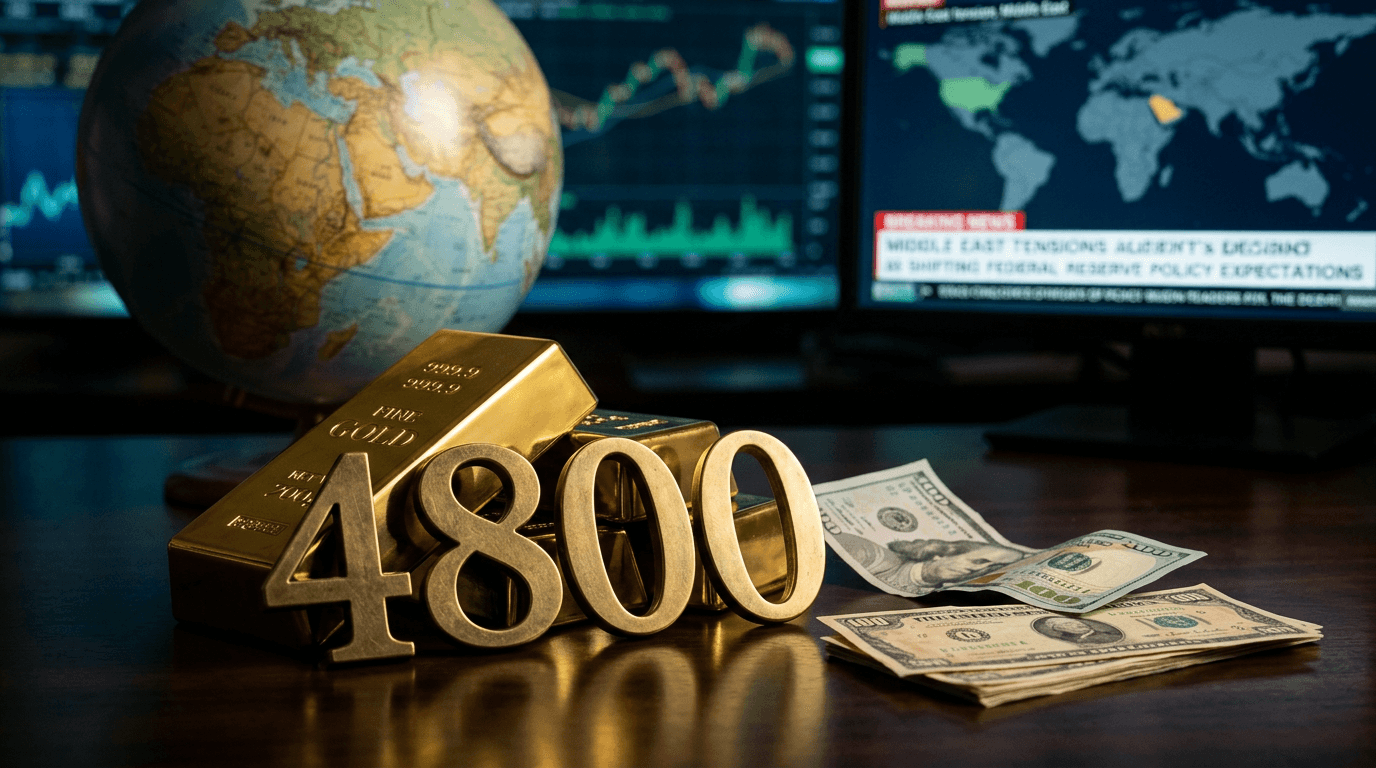
Gold prices are climbing, nearing the pivotal $4,800 per ounce mark, thanks to a weakened US dollar and falling Treasury yields. This rally marks a significant shift in the metals market, where gold's safe-haven allure is reasserting itself despite previous challenges from high interest rates and a strong dollar. For traders and investors, understanding these driving forces is crucial for navigating the current economic terrain.
The Dollar's Waning Control Over Gold
The interplay between the US dollar and gold prices is a cornerstone of precious metals trading. As the dollar softens, gold becomes more appealing to international buyers, as it is cheaper when priced in other currencies. Recent weeks have seen the dollar showing signs of weakening, influenced by changing expectations around Federal Reserve policies. Diminishing Treasury yields, which lower the opportunity cost of holding non-yielding assets like gold, have enhanced the metal's appeal compared to bonds and other fixed-income securities. This blend of a softer dollar and declining yields creates a favorable setting for gold price growth, fueling the push toward $4,800.
Geopolitical Tensions And Safe-haven Appeal
The Middle East remains a hotspot for global market risks, particularly around the Strait of Hormuz, which adds uncertainty and drives investors toward safe-haven assets. These geopolitical tensions have spiked oil prices due to fears of supply disruptions, consequently raising inflation expectations worldwide. Historically, gold has been a robust hedge against both geopolitical uncertainty and inflation, making it a preferred choice for risk-averse investors looking for portfolio protection. This environment, coupled with technical factors, has bolstered gold's rise, as nervous investors shift capital from riskier assets to gold and other safe havens.
Inflation Expectations And Signals Of Rate Cuts
Market sentiment has shifted significantly regarding future Federal Reserve policy. While expectations of multiple rate cuts have cooled, recent economic data suggests the aggressive stance on interest rates may not be sustainable long-term. As inflation concerns persist and yields adjust, the market is anticipating a more tempered approach to monetary policy in the coming months. This backdrop is historically favorable for gold, as investors foresee eventual rate cuts that would lower the real cost of holding gold. The delicate balance between inflation fears and interest rate expectations currently tilts in favor of gold bulls seeking higher prices through the rest of 2026.
Silver's Industrial Demand And Opportunities
While gold dominates headlines with its approach to $4,800, silver, trading between $72 and $76 per ounce, warrants attention. Silver often moves alongside gold but shows greater volatility due to its extensive industrial uses in manufacturing, solar panels, and electronics. This industrial demand means silver's price is influenced not only by safe-haven flows but also by economic growth expectations and manufacturing activity. Traders watching the gold-to-silver ratio should consider silver, as industrial demand might offer additional upside if global economic conditions stabilize. The current landscape presents opportunities for those who grasp both the precious metals market and the wider economic context.
Trading Strategies And Future Outlook
For active traders and investment managers, the current market environment demands careful consideration. The $4,800 level is a significant resistance point for gold, and surpassing it would signal a potential breakout to higher levels. Conversely, support levels around $4,700 and lower provide defined risk parameters for strategic positioning. The inverse relationship between the dollar index and gold prices remains a crucial factor to monitor, as any shift in dollar strength could exert downward pressure on prices. Moreover, staying attuned to Federal Reserve communications and economic data releases is vital, as these typically influence yield expectations and dollar strength, impacting the precious metals market.
Conclusion: Strategic Positioning For Gold's Continued Strength
The alignment of a softer dollar, decreasing yields, and increased safe-haven demand makes a strong case for ongoing gold appreciation toward and potentially beyond the $4,800 mark. While geopolitical risks remain high and could continue supporting prices, the fundamental change in interest rate expectations is the deeper structural shift underpinning this rally. Traders and investors should remain vigilant of these key drivers, respecting technical levels and managing risk prudently. The precious metals market offers opportunities for those who understand the intricate dance between monetary policy, currency fluctuations, and safe-haven demand. As global uncertainties persist, gold's role as a portfolio safeguard and inflation hedge ensures its significance in the current market climate.
NEWSIMPACTSCORE: 6