
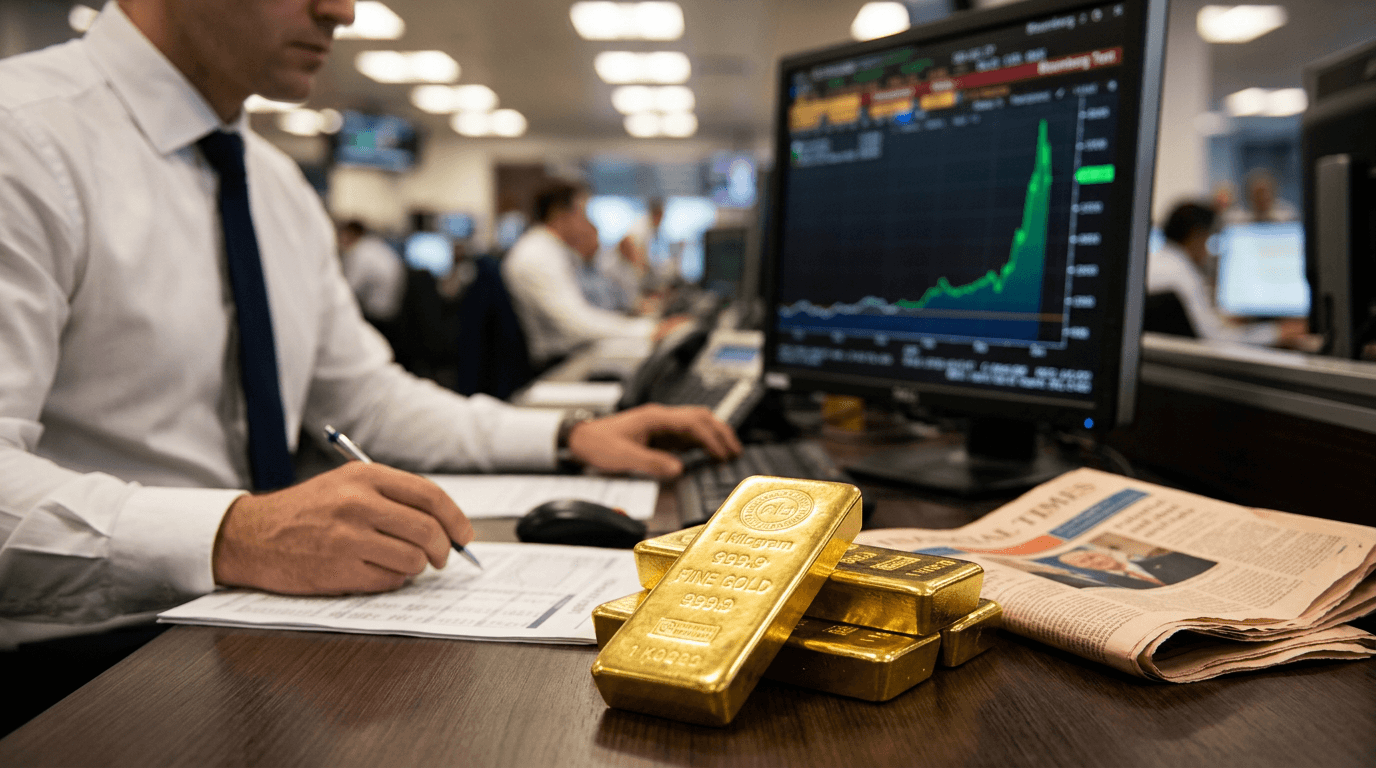
Gold prices have resumed their remarkable upward trajectory following a dramatic safe-haven surge driven by escalating geopolitical tensions in the Middle East. On February 28, 2026, coordinated military strikes by the United States and Israel against Iranian targets unleashed a historic rally that sent gold prices soaring from approximately $5,100 to over $5,300 per ounce in a single trading session. This breathtaking $200+ move represents one of the most powerful safe-haven rallies in modern financial history, demonstrating gold's enduring role as the ultimate protection against global uncertainty. For investors seeking to understand why precious metals suddenly capture such explosive upward momentum during times of crisis, this moment offers critical lessons about market psychology, geopolitical risk, and portfolio positioning.
Understanding The Immediate Market Shock
The military escalation caught global markets completely off guard, triggering an immediate repricing of risk across all asset classes. Gold's leap to $5,300 reflected investors' instantaneous rotation toward tangible assets with no counterparty exposure—a classic flight-to-safety move that accompanies serious geopolitical conflicts. Silver participated enthusiastically in the rally as well, jumping nearly 8% to trade above $95 per ounce, confirming that the precious metals complex as a whole benefited from panic buying across the board.
What made this particular surge especially dramatic was the speed and magnitude of the move. Gold fractured through technical resistance levels that many traders considered formidable, leaving market participants who were positioned bearishly scrambling to cover short positions. The psychological impact cannot be overstated: investors realized that the world's largest military power was now engaged in direct military action against a major oil-producing nation, creating legitimate concerns about regional destabilization and supply chain disruptions. This wasn't theoretical geopolitical tension anymore; it was kinetic military conflict unfolding in real time.
The Pre-conflict Bullish Setup
Understanding gold's explosive reaction requires examining the market conditions that preceded the military strikes. Even before the US-Iran escalation, gold had delivered approximately 22% gains year-to-date in 2026, already posting one of its strongest starts to any year on record. This powerful rally reflected a confluence of favorable factors including persistent inflation concerns, increased central bank buying of precious metals, growing currency debasement fears, and underlying geopolitical tensions that had been brewing throughout early 2026.
This pre-existing bullish setup meant gold was primed and loaded for exactly the kind of shock that occurred on February 28. Rather than entering the crisis from a position of weakness, gold was already in an uptrend when the military action triggered safe-haven demand. This combination proved explosive, as investors who were already positioned for higher prices suddenly found themselves validated by events, while traders who had bet against the precious metal were forced into capitulation. The result was an unstoppable wave of buying that carried prices to new all-time highs.
Why Conflicts Drive Gold Prices
The mechanics behind gold's safe-haven appeal during military conflicts operate on multiple levels simultaneously. First, there is the direct psychological factor: when military action threatens major economies, uncertainty spikes dramatically, and investors instinctively retreat from risky assets toward stores of value. Gold has served this function for thousands of years, and modern investors respond the same way their ancestors did—by seeking refuge in the yellow metal.
Second, geopolitical shocks typically create currency volatility that amplifies gold's appeal further. When military conflict involving the United States unfolds, the resulting uncertainty typically weakens risk currencies while strengthening the dollar in the short term. However, longer-term concerns about deficit spending to fund military operations weaken the dollar outlook, and gold benefits from this dual dynamic. Additionally, weakness in the dollar makes gold cheaper for international buyers, creating additional demand pressure from overseas investors.
Finally, conflicts involving major oil-producing regions introduce inflation risks that support gold's purchasing power protection function. With Iran sitting atop some of the world's largest proven oil reserves, serious concerns emerged about potential supply disruptions that could drive energy costs substantially higher. Elevated oil prices feed directly into headline inflation, making gold's inflation hedge characteristic particularly valuable during this type of crisis.
Broader Market Impacts
The US-Iran conflict triggered an immediate selloff in equity markets, with S&P 500 futures falling roughly 1.3% and Nasdaq futures declining nearly 1.8% as investors repriced geopolitical risk across their portfolios. Oil prices spiked as markets priced in concerns about potential disruptions to shipping through the Strait of Hormuz, which handles roughly 20% of global oil flows. This combination of safe-haven demand for gold alongside equity selloffs and oil rallies created the classic risk-off environment that typically drives precious metals higher.
Forward-looking Targets And Scenarios
Analysts have dramatically revised gold price forecasts upward following the military escalation, with many now targeting $5,500-$6,000 per ounce if hostilities intensify. Some bold forecasts even suggest potential for $8,000-$8,500 gold if the conflict spreads beyond the immediate region or triggers broader Middle East destabilization. These aggressive targets depend primarily on conflict evolution. If military action remains contained and diplomatic solutions emerge, gold may consolidate current gains but face difficulty pushing substantially higher. However, if escalation continues, the safe-haven stampede could drive prices to unprecedented levels.