
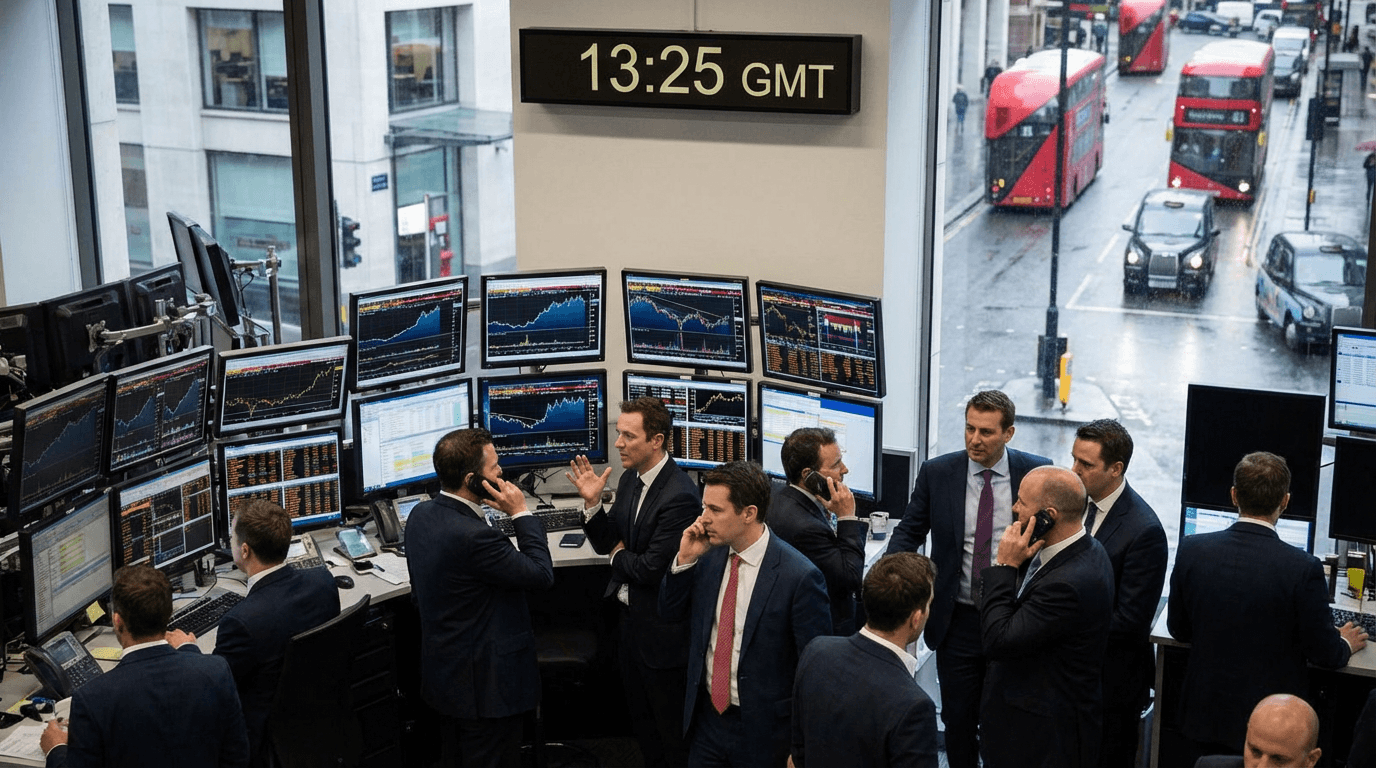
During the London session on February 20, 2026, gold trading surged as anticipation for the Non-Farm Payroll (NFP) data release heightened. The XAUUSD pair experienced notable volatility with gold prices climbing to 5,038.18 USD per troy ounce, marking a 0.81% increase from the previous day. This session became a pivotal trading period for both short-term speculators and strategic investors.
Unpacking London Session Dynamics
The London session, operational from 8 AM to 5 PM GMT, is a critical window in the forex and commodities markets. It serves as a bridge between the Asian market close and the New York open, allowing major institutional players to actively adjust their portfolios. On this specific day, traders capitalized on the session to analyze recent price trends and establish positions ahead of key US economic data that could dictate market direction for the remainder of the week.
Gold’s trajectory during this session underscored investor confidence in precious metals as a safeguard against economic uncertainty. The commodity had seen a 4.30% rise over the previous month and a 71.72% increase year-over-year, reflecting sustained interest in safe-haven assets. Technical analysts diligently tracked support and resistance levels to pinpoint entry and exit points based on market patterns and price action signals.
The Influence of FOMC Minutes on Market Sentiment
Earlier in the week, the release of FOMC minutes created a split among market participants regarding future monetary policy. Some officials were open to rate cuts if disinflation persisted, while others favored maintaining current rates. This divergence introduced uncertainty that bolstered gold, as investors sought refuge from potential economic shifts. Traders kept a keen eye on live charts during the London session, monitoring price reactions to news about inflation expectations and central bank policy.
NFP Data Drives Volatility
The Non-Farm Payroll report is a significant economic indicator released monthly, measuring job creation in the US economy excluding agricultural workers and certain government employees. For gold traders, the NFP typically generates substantial price volatility, as employment data directly impacts Federal Reserve policy expectations and overall risk sentiment.
During the London session, traders approached the release with heightened caution. Each bid and offer in the market was weighed carefully as participants calculated potential outcomes. A stronger-than-expected employment report could depress gold prices by raising expectations for higher rates, while a weaker report might boost precious metals as investors seek safer assets. Live trading educators stressed the importance of avoiding overexposure before such major releases, advising traders to reduce positions or hedge their exposure.
Employing Smart Money Concepts in Live Trading
Professional traders during the London session utilized Smart Money Concept strategies to identify high-probability trade setups. These strategies focus on understanding institutional order flow, detecting market structure changes, and recognizing accumulation or distribution phases by major players. The process begins by analyzing support and resistance levels where significant trading activity historically occurs.
Successful traders adhered to specific entry and exit protocols. They pinpointed entry points at established supply and demand zones, set stop losses at logical technical levels, and methodically structured their take-profit targets. Many employed the 50-25 exit strategy, taking 50% profit at the first target, capturing another 25% at a second level, and allowing the final portion to run with a trailing stop until clear exit criteria were met.
Essential Risk Management for High-Impact Events
Trading gold ahead of NFP required disciplined risk management. Professional traders limited their position sizes to 1-2% of total trading capital per trade, ensuring that even failed setups wouldn't significantly impact their accounts. This capital preservation strategy allowed traders to remain active long-term and seize multiple trading opportunities.
Stop loss placement was crucial during volatile sessions. Instead of arbitrary levels, successful traders anchored stops below support zones or above resistance points, allowing space for normal market movement while safeguarding against invalidated trade hypotheses. Position sizing adjusted based on the distance between entry and stop loss, maintaining consistent risk across different setups.
Practical Insights for London Session Traders
Gold traders navigating the February 20 London session maximized opportunities by staying informed about the impending NFP release, understanding current sentiment around monetary policy, and applying proven trading frameworks. Success required balancing aggression with caution, entering high-probability setups while respecting the heightened uncertainty of major data releases. By adhering to strict risk discipline and focusing on price action signals rather than emotional reactions, traders positioned themselves to profit regardless of the market's direction following the NFP announcement.