
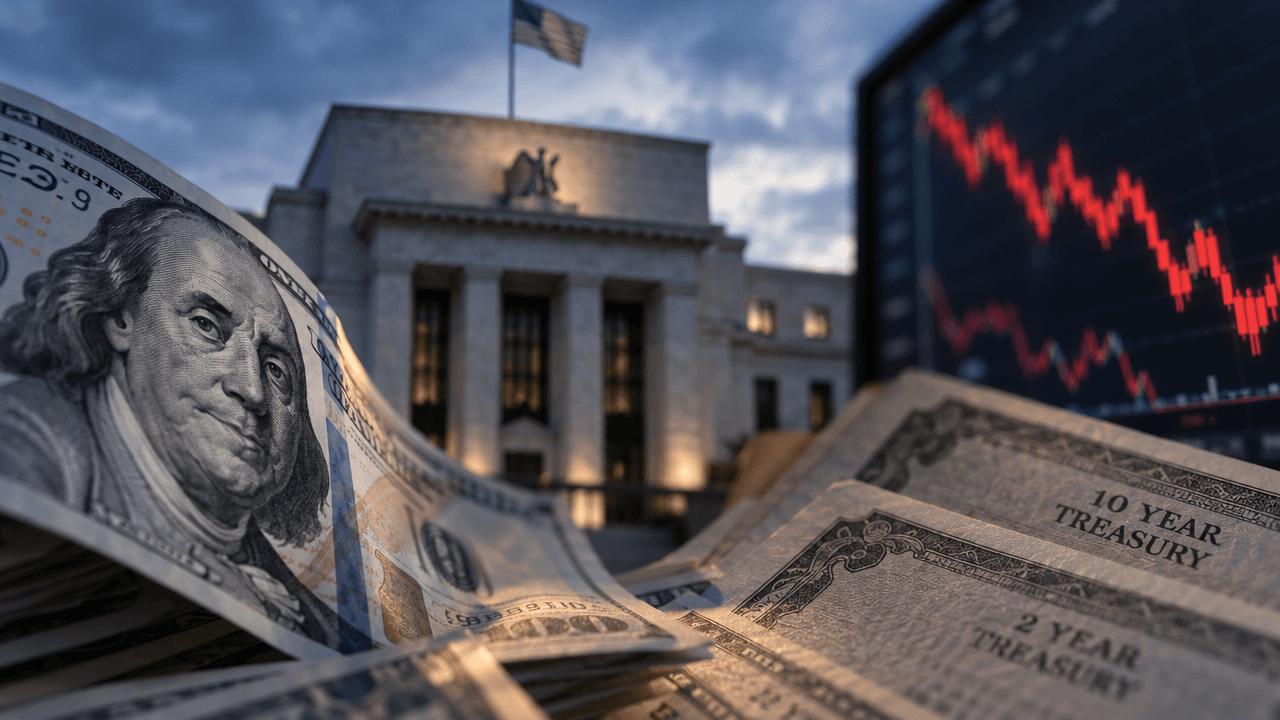
U.S. inflation delivered another uncomfortable surprise in October, strengthening the dollar, pushing Treasury yields higher and weighing on stocks. Consumer prices rose 0.4% from the previous month, exceeding economists’ 0.3% forecast. Core CPI, which excludes food and energy, increased 0.3% against expectations for a 0.2% gain. The result reinforced concerns that inflation is proving more persistent than the Federal Reserve would prefer. [4][6]
The market reaction was immediate. Traders increased their expectations for additional Fed tightening, including a small but rising probability of a 50-basis-point rate increase at the December meeting. The dollar advanced, bond prices fell, and equity markets weakened as investors reassessed the path of interest rates. [1][7]
What The Inflation Data Signals
The headline CPI result was not as strong as September’s 0.6% monthly increase, but the moderation was not enough to reassure markets. A 0.4% monthly increase translates into an annualized pace of roughly 4.9% if sustained, well above the Fed’s 2% inflation objective.
More importantly, core inflation remained firm. Core CPI has now risen 0.3% for three consecutive months, suggesting that price pressures are not limited to volatile energy or food categories. Persistent core inflation can indicate continued strength in areas such as services, housing-related costs, transportation and other domestically driven expenses.
For the Federal Reserve, this distinction matters. Energy prices can reverse quickly, but sustained core inflation is more likely to influence wage negotiations, business pricing decisions and consumer expectations. If inflation remains elevated, policymakers may have less room to reduce interest rates and may need to keep monetary policy restrictive for longer.
The data also challenged the idea that inflation is moving smoothly toward the Fed’s target. Even when monthly increases appear modest, repeated upside surprises can alter expectations across financial markets.
Why The Dollar And Yields Rose
The U.S. dollar typically benefits when investors expect higher interest rates. Higher rates can increase the return available on dollar-denominated assets, attracting global capital and supporting demand for the currency.
Following the CPI release, the dollar index gained as traders priced in a more forceful Fed response. A stronger dollar can make imported goods cheaper for U.S. consumers, potentially helping to reduce inflation over time. However, it can also create pressure for American exporters and multinational companies whose overseas revenue becomes less valuable when converted back into dollars.
Treasury yields moved sharply higher because bond investors adjusted their expectations for short-term interest rates. The two-year Treasury yield, which is particularly sensitive to Fed policy expectations, climbed significantly after the report. The 10-year yield also rose toward the 5% level, while the 30-year yield increased as well. [7][12]
Bond prices and yields move in opposite directions. When investors sell Treasuries because they expect higher rates, prices decline and yields rise. Higher yields then feed into borrowing costs across the economy, including mortgages, corporate loans, auto financing and other forms of credit.
Hawkish Fed Signals Add To The Pressure
The inflation report was amplified by comments from Fed Governor Christopher Waller. Waller indicated that if core consumer prices rose 0.3% or more from September, a stronger policy move could be considered at the December meeting. He specifically said a 50-basis-point increase should be considered under that scenario. [6]
That threshold was met. As a result, traders began assigning a greater probability to a half-point hike. Estimates varied during the session, but the probability rose from essentially zero a week earlier to roughly 9%–11% after the inflation release. [1][3]
A 25-basis-point hike remained the more likely outcome, but the shift in expectations was still significant. Markets do not need to expect a 50-basis-point move to react to it. Even a small probability can raise the expected future path of interest rates, especially when combined with evidence of persistent inflation.
The broader message is that Fed officials may be willing to tolerate more financial-market volatility if inflation does not cool. That stance is hawkish because it prioritizes price stability over near-term support for asset prices or economic growth.
Implications For Stocks, Bonds And Traders
Higher interest rates can pressure equity valuations by increasing the discount rate applied to future corporate earnings. Growth and technology companies are often especially sensitive because a larger portion of their expected cash flow may arrive years in the future. When bond yields rise, those future earnings become less valuable in present-day terms.
Stocks declined following the inflation report, with major indexes and technology shares facing renewed pressure. [2][7] Financial companies may benefit from higher rates in some circumstances, but a rapidly tightening policy outlook can also raise concerns about slower economic growth, weaker loan demand and increased credit risk.
For bond traders, the key issue is whether the recent yield surge continues or reverses as more economic data arrives. A single inflation report can move markets sharply, but the longer-term trend will depend on several readings of CPI, producer prices, employment and wages.
Currency traders should also monitor interest-rate differentials. If U.S. yields rise faster than those in Europe, Japan or other major economies, the dollar may remain supported. However, exchange rates can turn quickly if overseas central banks become more hawkish or if U.S. growth begins to weaken materially.
Practical Takeaways For Simfi Traders
First, distinguish between headline and core inflation. Headline CPI captures the immediate market story, while core CPI often provides a clearer view of persistent domestic price pressure.
Second, track the two-year Treasury yield when evaluating Fed expectations. Its movement can offer a faster signal of changing rate forecasts than longer-term yields.
Third, watch central-bank communication alongside economic data. Waller’s comments made the CPI report more powerful because they provided a direct policy framework for interpreting the number.
Finally, manage volatility rather than assuming the first market move will continue. Hot inflation can support the dollar and yields initially, but reversals may follow if later data softens or policymakers sound less aggressive.
Conclusion
October’s inflation report was market-moving because it combined an upside surprise with hawkish Fed guidance. The 0.4% monthly CPI increase and 0.3% core gain strengthened expectations that policymakers may need to keep rates higher for longer, with a small chance of a larger December hike.
For traders, the central lesson is that inflation remains a key driver of nearly every major asset class. A hotter reading can lift the dollar, push yields higher and pressure equities within minutes. The next question is whether October represents a temporary setback or evidence of a broader inflation trend. Until future data provides an answer, markets are likely to remain highly sensitive to every price and employment release.