
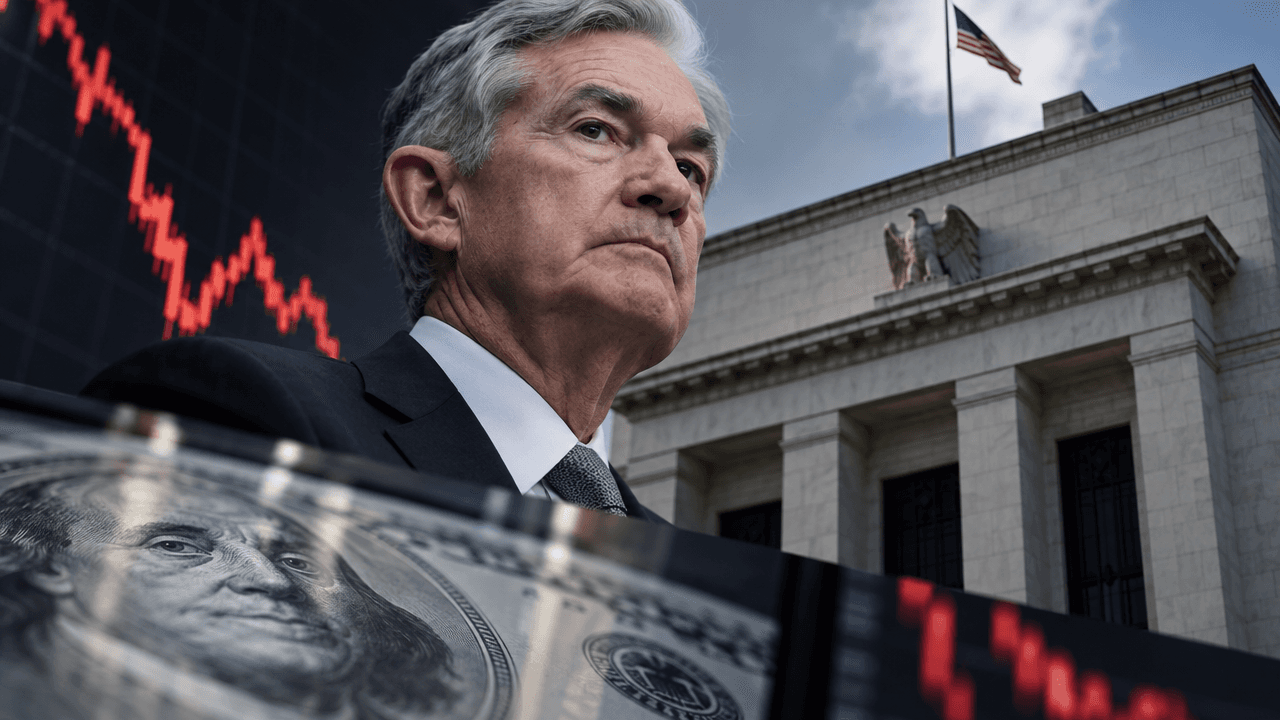
A hotter-than-expected inflation reading has quickly changed the market’s interest-rate narrative. Instead of focusing on when the Federal Reserve might eventually ease policy, traders are now assessing how much further rates may need to rise. Futures markets are reflecting that shift, while Treasury yields and equity-index futures remain under pressure.
The immediate catalyst was October consumer-price data showing headline inflation rising 0.4% month over month, above the 0.3% consensus estimate. Core CPI, which excludes food and energy, increased 0.3% compared with expectations for a 0.2% gain. The results marked another upside surprise and reinforced concerns that price pressures remain persistent. [10]
Why Inflation Is Moving Markets
Inflation matters because it directly influences the Federal Reserve’s policy decisions. When consumer prices rise faster than expected, the central bank has less room to reduce interest rates and may need to keep policy restrictive for longer.
Higher rates are intended to cool demand by increasing borrowing costs for households and businesses. Mortgages, corporate loans, credit cards, and asset valuations can all be affected. However, the impact is not limited to the economy. Financial markets continuously adjust to changes in expected future interest rates, often before the Fed announces an official decision.
The latest data therefore produced a rapid repricing of risk. A rate hike that previously appeared uncertain is now widely viewed as the base case for the Fed’s December meeting. Traders have also begun considering whether additional increases could follow in 2027.
Rate-hike Expectations Take Center Stage
Futures pricing cited in recent market coverage placed the probability of a 25-basis-point December rate increase near 89%, with the remainder largely reflecting expectations for a larger 50-basis-point move. [1][10]
That shift is significant because market pricing had been less convinced only a short time earlier. The probability of a quarter-point hike reportedly rose from approximately 72% a week earlier, reflecting how quickly traders can revise expectations when economic data and central-bank communication point in the same direction. [10]
Federal Reserve commentary has added to the pressure. Governor Christopher Waller supported a 25-basis-point increase while indicating that a 50-basis-point move could be considered under certain conditions. Dallas Fed President Lorie Logan has also called for at least two more rate increases. [6]
For traders, the key issue is not simply whether rates rise in December. It is whether inflation remains strong enough to force the Fed into a longer or more aggressive tightening cycle than markets currently expect.
Why Treasury Yields And Futures Are Under Pressure
Bond prices and yields generally move in opposite directions. When investors expect higher policy rates, Treasury prices tend to fall and yields rise as markets demand greater returns from government debt.
The two-year Treasury yield is especially sensitive to Fed expectations because it reflects anticipated short-term interest rates. Recent trading saw the two-year yield surge nearly 19 basis points to 4.736%, its largest daily gain in months. [5]
Longer-term yields have also responded. Treasury futures weakened following the inflation report, with market price action suggesting that the 10-year yield could revisit levels above 5%. [4] Higher long-term yields can increase financing costs throughout the economy and place additional pressure on stock valuations.
Equity-index futures are affected through several channels. First, higher yields make bonds more competitive with stocks. Second, a higher discount rate reduces the present value of future corporate earnings, particularly for growth companies whose expected profits are farther in the future. Third, restrictive policy can slow consumer spending, business investment, and hiring.
This does not mean every stock must decline. Financial companies may benefit from higher rates in some circumstances, while businesses with strong cash flow and limited debt may prove more resilient. However, the broader market becomes more sensitive to economic surprises.
What Traders Should Watch Next
The next phase of the repricing will depend on whether incoming data confirms or challenges the inflation narrative. Producer-price data, employment reports, wage growth, consumer spending, and additional inflation releases will all help shape expectations for the Fed’s next moves.
Traders should also distinguish between a single data point and a durable trend. One hotter report can create volatility, but several consecutive upside surprises are more likely to influence the Fed’s policy path. Recent coverage has described October’s report as part of a third consecutive month of upside inflation surprises. [12]
Fed communication will be equally important. Investors will examine whether officials emphasize patience, signal confidence in a quarter-point move, or openly discuss a larger increase. Even when the policy decision is widely anticipated, the accompanying statement and economic projections can move markets sharply.
For SimFi traders, this environment is a useful test of process rather than prediction. Instead of attempting to guess every short-term price movement, monitor the relationship between inflation data, rate futures, Treasury yields, the dollar, and equity-index futures. A consistent risk plan is more valuable than reacting emotionally to each headline.
Practical Takeaways For Simfi Traders
First, track the economic calendar before entering positions. Inflation and employment releases can produce rapid moves across currencies, indices, commodities, and bonds.
Second, understand interest-rate sensitivity. Growth-oriented equity indices, long-duration bonds, and highly leveraged companies often respond more sharply to rising yields.
Third, avoid treating futures probabilities as guarantees. An 89% probability of a quarter-point hike still leaves room for a different outcome, while the market can move significantly even when the expected decision occurs.
Fourth, manage exposure around major announcements. Smaller position sizes, predefined stops, and limits on correlated trades can help prevent one unexpected headline from creating excessive losses.
Finally, watch the difference between expectations and reality. If the Fed raises rates by 25 basis points but signals that the tightening cycle is nearly complete, markets could react positively. If officials suggest that more increases are likely, yields and equity futures may face renewed pressure.
Conclusion
U.S. inflation has shifted attention from potential rate cuts to the possibility of additional Federal Reserve tightening. With December hike expectations near 89%, Treasury yields elevated and equity futures under pressure, markets are entering a more data-sensitive phase.
The central question is whether inflation will cool enough to limit the Fed to a modest adjustment or remain persistent enough to require further action. For traders, the most effective response is disciplined preparation: follow the data, understand the transmission from rates to assets, and manage risk when expectations are changing quickly.