
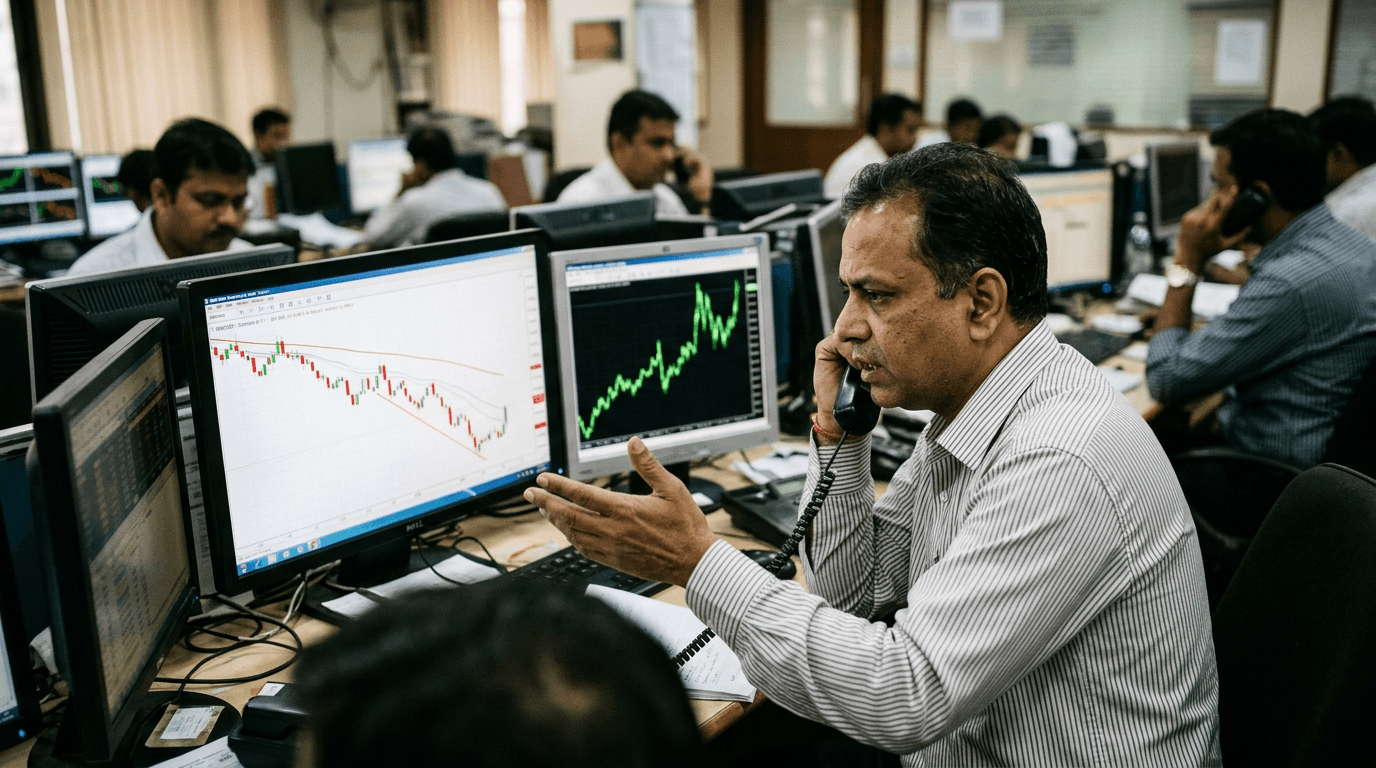
Indian Rupee Plunges to Historic Low at 94.23: The Ripple Effects of Middle East Tensions
The Indian rupee has nosedived to an unprecedented low against the US dollar, as global markets grapple with escalating tensions in the Middle East. By mid-March 2026, the rupee had tumbled to 94.23 per dollar, a striking milestone that has riveted the attention of traders, policymakers, and economists worldwide. This drastic slide is more than a simple currency fluctuation; it is a reflection of a complex web of geopolitical risks, commodity price fluctuations, and changing investor sentiments. For traders and financial strategists, deciphering these drivers is crucial for effectively navigating the volatile landscape of emerging markets.
The Geopolitical Shock and Oil Price Surge
The rupee's dramatic fall can be directly linked to the ongoing conflict in Iran and the broader tensions across the Middle East, which have upended global energy markets and reshaped investor risk perceptions. Oil prices have surged due to disruptions around the Strait of Hormuz, a vital artery for global energy supplies, placing immediate pressure on India's currency. As a nation that imports the bulk of its energy needs, India faces intensified currency stress as rising oil prices escalate the demand for dollars to pay for these imports. This scenario is particularly dire because energy imports constitute a significant chunk of India's external expenditure, making the economy highly vulnerable to global oil price shifts during geopolitical upheavals.
Beyond the immediate impact of higher import costs, the geopolitical uncertainty has triggered a broader exodus of capital. Foreign institutional investors have grown wary, exerting significant selling pressure on Indian equities and withdrawing investment capital. As these investors offload rupees to convert their holdings back into dollars and other safe havens, the rupee's market supply surges while demand falters, accelerating the depreciation spiral. Compounding the situation is the robust US dollar, as global investors flock to the safety of dollar-denominated assets in times of heightened geopolitical tension.
Inflation and Import Pressures
The rupee's depreciation exerts upward pressure on inflation and import costs. A weaker rupee makes imports universally more expensive, particularly impacting sectors like energy and electronics that heavily rely on foreign goods. As import prices soar in rupee terms, inflationary pressures mount, threatening to erode purchasing power and complicate the Reserve Bank of India's monetary policy landscape. Indians traveling abroad or conducting transactions in foreign currencies face steeper expenses, while industries dependent on imported components experience shrinking margins.
Periods of rapid rupee depreciation widen the current account deficit, as the higher rupee cost of imports overshadows any immediate gains from export competitiveness. This structural vulnerability underscores India's exposure to external shocks and the necessity of judiciously managing both energy dependencies and capital flows. The inflationary ripple effect extends beyond import costs, affecting fuel prices and transportation expenses that permeate the entire economy, ultimately impacting household budgets and consumer purchasing power.
The Export Opportunity and Silver Linings
Despite the challenges, a weakened rupee is not entirely detrimental to the Indian economy. A depreciated currency enhances the competitiveness of Indian exports in global markets, benefiting sectors like IT services and pharmaceuticals. Export-oriented industries can leverage improved price competitiveness, potentially driving higher volumes and market share gains on the international stage. Additionally, remittances from Indians working overseas become more lucrative when converted into rupees, bolstering household incomes for millions of families reliant on foreign earnings. These offsetting factors paint a complex economic picture, with varied impacts across different sectors.
What Traders and Investors Should Monitor
For market players, several critical elements warrant close scrutiny. The trajectory of Middle East tensions and oil prices will remain the foremost drivers of rupee volatility in the coming weeks. Any escalation could further depress the rupee, while resolution or stabilization could support a recovery. RBI intervention and policy responses will be pivotal—the central bank has mechanisms like forex market intervention and capital flow management to influence currency stability. Foreign investor flows require vigilant attention, as any reversal in capital outflows could bolster the rupee. Additionally, the overarching strength of the US dollar and Federal Reserve policy decisions will continue to steer safe-haven flows that pressure emerging market currencies like the rupee.
While the rupee's depreciation underscores genuine external challenges, it also opens up trading and investment opportunities for those who grasp the underlying dynamics. Whether the rupee continues its descent or finds stability will hinge on the pace at which Middle East tensions abate and global oil prices moderate. Until then, volatility in USD/INR and other rupee pairs is likely to stay heightened, posing both risks and opportunities for astute traders.