
US Inflation Soars to 3.3% Amidst Energy Turmoil: A Closer Look
In March 2026, US inflation surged to a notable 3.3%, the highest since May 2024, sharply accelerating from January and February's 2.4% rate. While this spike aligned with market forecasts, it uncovers a narrative beyond mere price pressures. Energy costs have emerged as the primary driver, with geopolitical tensions—specifically the persistent conflict with Iran—redefining the inflation landscape and sending ripple effects throughout the economy.
The Headline Jump: Understanding The Numbers
March's inflation increase of 0.9% marks the largest monthly rise since June 2022, a stark contrast to February's modest 0.3% gain. On an annual basis, the 3.3% inflation rate positions it nearly 140 basis points above the Federal Reserve's comfort zone, signaling the end of early 2026's stable pricing environment. This acceleration occurred despite relatively stable food and shelter pressures, indicating that without the energy shock, inflation would have remained closer to the Fed's 2% target.
Core inflation, removing volatile food and energy components, climbed to 2.6% annually—just above the Fed's target and outperforming some predictions. This divergence between headline and core inflation is essential for identifying where true economic pressures reside. The energy crisis is concentrated, not systemic, which holds significant implications for future monetary policy decisions.
Energy Crisis: The Surge's Catalyst
The energy sector's impact on March inflation is undeniable. Energy costs soared 12.5% annually and 10.9% monthly, with the monthly increase being the largest since September 2005. Gasoline prices led the charge, rising 18.9% year-over-year and an extraordinary 21.2% month-over-month—the largest monthly jump since this data series began in 1967. Fuel oil prices, meanwhile, skyrocketed 44.2% annually, directly linked to supply disruptions from the Iran conflict.
This energy surge accounted for nearly three-quarters of the overall monthly increase, highlighting the significant influence of geopolitical tensions on consumer prices. Unlike typical inflation episodes driven by widespread demand pressures, this surge is concentrated in a specific commodity category with direct geopolitical causation.
The Broader Context: Controlled Inflation Elsewhere
Beyond energy, the inflation outlook remains surprisingly stable. Used car and truck prices continued their decline at 3.2%, signaling a normalization in the post-pandemic automotive market. Shelter inflation steadied at 3%, while food inflation eased to 2.7% from 3.1% the previous month. Food prices were essentially flat on a monthly basis, suggesting that supply chains in non-energy sectors remain resilient and that demand pressures remain manageable.
This selective inflation provides crucial context for policy implications. The Federal Reserve faces a genuine dilemma: headline inflation has jumped sharply, but core drivers remain contained. The primary culprit is an external geopolitical shock, not domestic demand overheating or wage-price spiral dynamics. Traditional monetary policy tools are poorly suited to addressing supply shocks in energy markets caused by military conflicts.
Market Implications And The Dxy Paradox
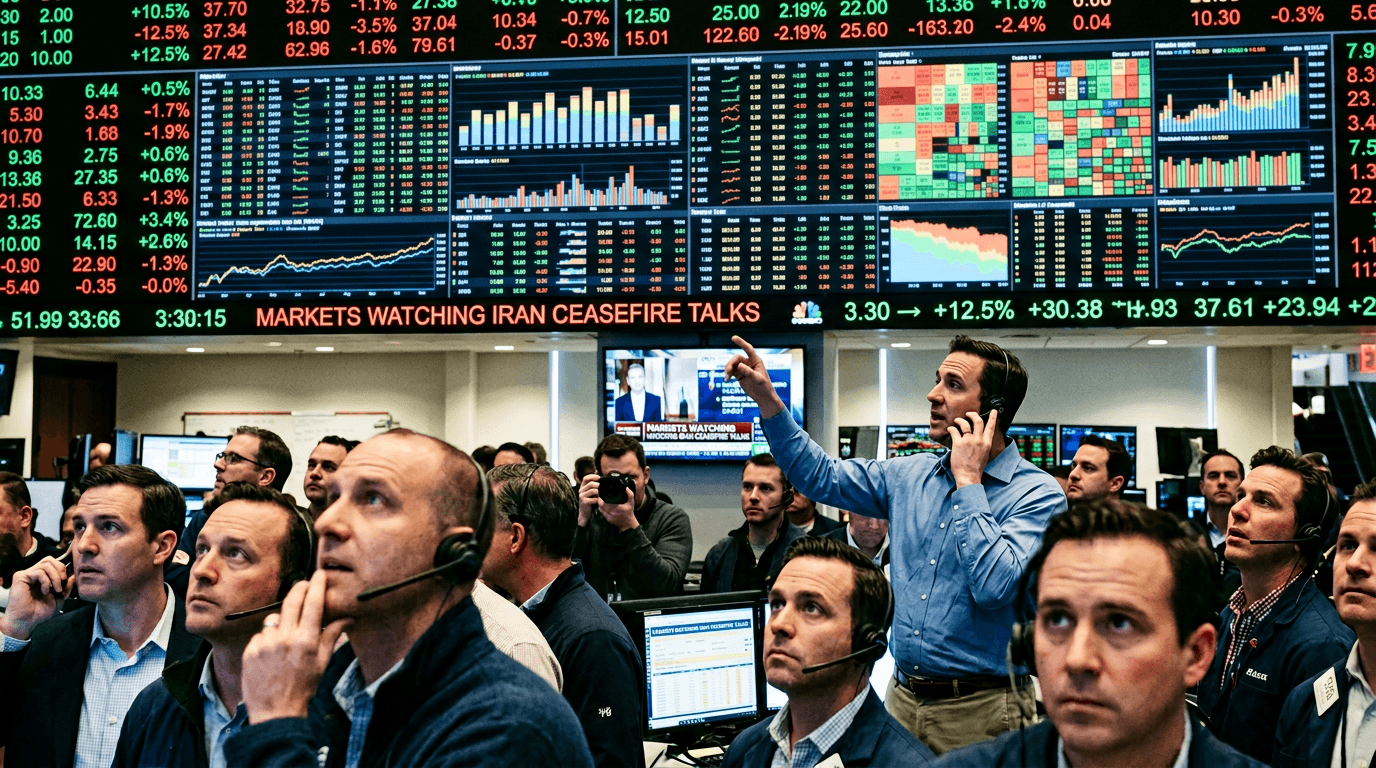
The paradox of US inflation reaching a two-year high while the Dollar Index slipped reflects the complex calculus driving currency markets. Typically, elevated inflation might bolster dollar strength as investors anticipate higher interest rates. However, markets are simultaneously pricing in the potential for US-Iran ceasefire negotiations to reduce energy prices and ease inflation pressures more swiftly than expected.
The DXY's weakness despite high inflation data suggests traders focus on the transitory nature of the current spike. If energy prices stabilize or decline due to geopolitical de-escalation, inflation could reverse as sharply as it accelerated. The market bets that this inflation surge is a temporary shock rather than a fundamental shift in price dynamics, which would keep the Fed on hold rather than prompting aggressive rate hikes.
Implications For Traders And Investors
For traders on the E8 Markets platform, this inflation report presents valuable lessons. First, geopolitical shocks can dramatically alter inflation trajectories independent of economic fundamentals—a critical factor when building longer-term trading models. Second, headline and core inflation can tell very different stories; understanding the composition of inflation matters as much as the headline number. Third, currency markets sometimes move counterintuitively to inflation data when other factors—like geopolitical risk—dominate sentiment.
The 3.3% inflation print is undoubtedly significant, but its market impact is shaped by expectations around ceasefire talks and the belief that this energy shock is temporary rather than structural. For forward-looking traders, monitoring both inflation developments and geopolitical tensions will be essential for accurate positioning.
NEWSIMPACTSCORE: 7