
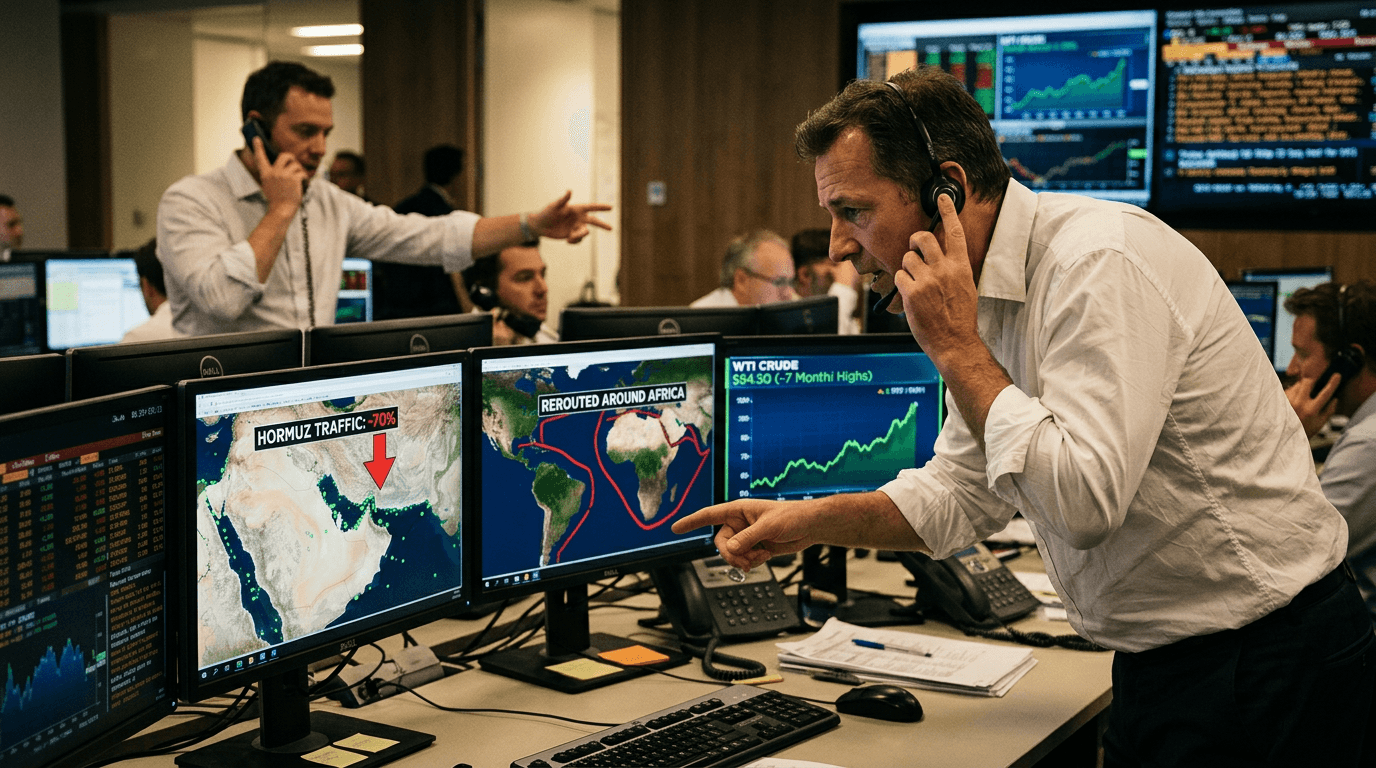
The Strait of Hormuz, one of the world's most critical maritime chokepoints, has become a flashpoint in geopolitical tensions that are reshaping global energy markets. Following the US-Israel coalition's Operation Epic Fury, Iran has effectively closed this vital waterway to Western vessels, creating what industry analysts are calling the Tanker War of 2026. This blockade represents the most severe disruption to maritime trade since World War II, with tanker traffic plummeting 70% and sending shockwaves through oil markets, supply chains, and the broader global economy.
The Crisis Unfolds: What Happened In The Strait Of Hormuz
In early March 2026, Iran's Islamic Revolutionary Guard Corps declared the Strait of Hormuz a no-go zone for Western-flagged vessels, backing up this threat with mined waters and deployed drone swarms. The move came as a retaliatory response to Operation Epic Fury, a targeted military campaign launched by the US-Israel coalition against Iranian assets. What makes this blockade particularly significant is the waterway's strategic importance: approximately 21% of global petroleum and over 10% of the world's crude oil passes through this narrow passage daily, making it indispensable to global energy security.
Major maritime insurers, including Gard, Skuld, and the London P&I Club, have formally cancelled war-risk coverage for the Persian Gulf and Strait of Hormuz. This decision has effectively sidelined many Western vessels and forced the shipping industry into unprecedented crisis management mode. The blockade is not merely a temporary disruption—it represents a fundamental challenge to the infrastructure that underpins global trade.
The Rerouting Nightmare: Longer Voyages, Skyrocketing Costs
Shipping companies like Maersk and MSC have begun rerouting their vessels around Africa's Cape of Good Hope to avoid the contested Persian Gulf region. This detour adds 10 to 14 days to Asia-Europe voyages while simultaneously increasing fuel consumption by nearly 40%. For a containerized shipping operation that measures margins in pennies per container, this represents a catastrophic cost structure.
War-risk premiums for Middle East operations have surged more than 1,000%, according to industry reports. A 40-foot container from Shanghai to Genoa, which previously cost a certain baseline rate, now costs three times as much. These astronomical increases don't stay contained within the shipping industry—they flow directly to consumers in the form of higher prices for electronics, dry goods, and other imported products, fueling inflationary pressures globally.
Global Supply Chain Chaos: The Bullwhip Effect
The blockade has triggered what supply chain experts call the bullwhip effect, where delays cascade through the system creating exponential disruptions. Major shipping hubs like Rotterdam and Singapore are experiencing severe congestion. European factories face raw material shortages as fewer ships carry goods from Asia, while empty containers accumulate in mismatched regions across the globe, creating an unprecedented maritime equipment shortage.
This isn't just about slower deliveries. Manufacturers depend on just-in-time inventory systems that assume predictable shipping timelines. With voyages extending by two weeks and uncertainty reigning, companies are scrambling to source materials through alternate routes or stockpile inventory—both expensive propositions. The cumulative effect threatens production schedules across industries from semiconductors to pharmaceuticals to automotive manufacturing.
Oil Markets In Turmoil: Futures Pricing The Uncertainty
WTI Crude Oil futures have surged toward seven-month highs despite speculation about potential OPEC production increases. The market is pricing in the fundamental reality that crude oil from Persian Gulf producers now faces severe export constraints. Iranian oil, which historically flows to China and other Asian markets, is effectively trapped, reducing global supply even as geopolitical tensions maintain upward pressure on prices.
The tanker market, as analysts note, has gone completely off the rails. Shipping rates for oil tankers have skyrocketed alongside container rates, reflecting the scarcity and risk premium demanded by operators willing to navigate these waters. Futures markets remain volatile, with traders uncertain about the duration and intensity of this disruption.
Adaptation And Militarization: The New Shipping Reality
In a remarkable shift, shipping companies are retrofitting vessels with AI-driven electronic warfare suites and drone-jamming defenses. Commercial shipping has effectively become militarized, with vessels requiring active defensive systems to survive transit through contested waters. This represents a fundamental change in how maritime commerce operates and adds yet another cost layer to global trade.
What Traders And Investors Need To Watch
For traders, this crisis creates both risks and opportunities. Energy futures remain volatile as markets digest supply disruptions. Shipping stocks face margin compression from rising insurance and fuel costs. Logistics companies with exposure to these routes face near-term headwinds. Conversely, diversified transportation providers, alternative energy advocates, and companies positioned to supply drone-jamming or electronic warfare systems may see increased demand.
Full recovery from this disruption will likely take months, according to maritime analysts. Until the Strait of Hormuz reopens and insurance coverage normalizes, expect sustained volatility in energy markets and continued supply chain stress across the global economy. For traders and investors, this represents a defining moment of geopolitical risk reassessing itself through market prices.