
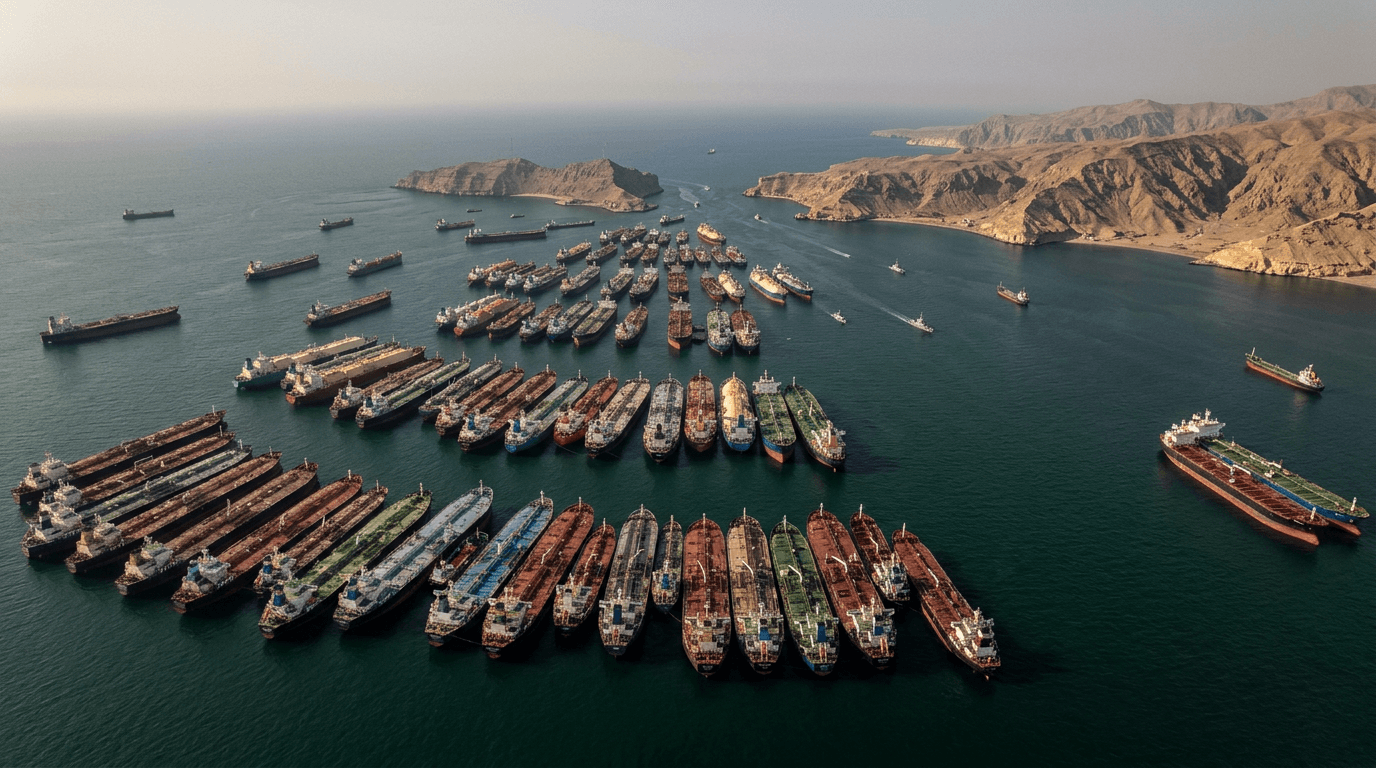
On March 2, 2026, the global energy market experienced a shock that few thought possible in the modern era. Iran effectively closed the Strait of Hormuz, one of the world's most critical shipping chokepoints, following a military escalation in the Middle East. Within hours, oil tanker traffic through this vital waterway collapsed from an average of 24 vessels per day to zero. Today, as we stand on March 6, the situation remains tense, with 200 tankers stranded across the Persian Gulf and energy prices spiking worldwide. For traders, investors, and anyone paying attention to global markets, understanding what happened and what comes next is essential.
The Trigger: Military Escalation And Leadership Change
The crisis began on February 28, 2026, when the United States and Israel launched a coordinated military operation targeting Iran's nuclear facilities and military installations. During this operation, Iran's Supreme Leader Ali Khamenei was killed. The strike represented an unprecedented escalation in US-Iran tensions, fundamentally altering the regional balance of power. Iran's response was swift and severe. Within days, senior commanders from the Islamic Revolutionary Guard Corps (IRGC) made an extraordinary declaration: the Strait of Hormuz was closed to all international shipping. Any vessel attempting to transit would be attacked.
This wasn't an empty threat. Three tankers were struck by Iranian forces, and at least one was set ablaze off the coast of Oman. Two crew members died. Insurance companies immediately ceased coverage for ships attempting passage. The message was clear: Iran meant what it said.
Why The Strait Of Hormuz Matters
To understand the magnitude of this crisis, you need to grasp the strategic importance of this narrow waterway. The Strait of Hormuz lies between Iran and Oman at its narrowest point spanning only 33 kilometers. Despite its modest size, approximately 20% of the world's oil supply flows through it daily. Beyond crude oil, the strait also carries 20% of global liquefied natural gas shipments. For context, that means disruptions here directly impact energy availability for billions of people worldwide.
When the strait closes, there is no simple alternative. The narrow geography and geopolitical reality mean that most Gulf energy exports must pass through this single point. Other routes exist but involve dramatically longer transit times and cannot absorb the volume normally shipped through Hormuz. This is what makes the strait a true chokepoint in global commerce.
Market Shock: Oil Prices And Beyond
The market reaction was immediate and severe. Oil prices surged to $82-84 per barrel within days, representing approximately a 13% increase above pre-conflict levels. Natural gas prices experienced even more dramatic volatility, with some markets seeing increases of 40% or more. These weren't gradual shifts but sharp, sudden moves reflecting the market's assessment of genuine scarcity.
The second-order effects cascaded quickly. Qatar, one of the world's leading LNG producers, announced a temporary halt to gas production operations. Saudi Aramco's Ras Tanura refinery, one of the world's largest crude export terminals, was targeted by Iranian drones and suspended operations. The broader energy infrastructure of the Persian Gulf came under direct attack, compounding the shipping disruption with physical damage to production and export facilities.
Tanker Traffic Collapse
The statistics are stark. In January 2026, approximately 24 oil and LNG tankers transited the Strait of Hormuz daily. By March 1st, this number had dropped to just four vessels per day. By midnight on March 2nd, the number reached zero. Today, 200 tankers are anchored across the Persian Gulf, unable to move. They cannot proceed forward through a hostile strait, and they cannot safely return to load more cargo. They are effectively frozen in place.
What Happens Next
As of March 5, 2026, the strait remains functionally closed despite US government claims of normalcy. President Trump announced that the Navy would escort tankers through the waterway and that the International Development Finance Corporation would provide political risk insurance. However, the reality on the water tells a different story. Without insurance coverage, without certainty of safe passage, and with three tankers already struck, shipping companies have rationally chosen not to risk their vessels.
The key variable now is diplomatic resolution. Iranian operatives have reportedly reached out to discuss ceasefire terms. China, which purchases over 80% of Iranian crude oil, faces acute energy stress from a prolonged closure. Russia provides some crude alternatives, but not enough to fully substitute Gulf supplies. The economic pressure on all sides is immense, suggesting that rational actors will eventually seek negotiated settlement.
Implications For Traders And Investors
For SimFi traders, this event presents both immediate market volatility and longer-term strategic questions. Energy futures will remain volatile until the strait reopens or alternative supply arrangements stabilize markets. Broader inflation concerns emerge as energy costs feed into transportation and production expenses across all industries. Interest rate expectations may shift as central banks respond to energy-driven price pressures.
The situation demonstrates how geopolitical events create real market dislocations. When a single chokepoint controls 20% of global oil supply, and that chokepoint closes, the global economy must adjust. Traders who understand these dynamics and position accordingly can identify opportunities in the resulting volatility.