
## Iran’s Reversal on the Strait of Hormuz: Implications for Traders and the US Dollar
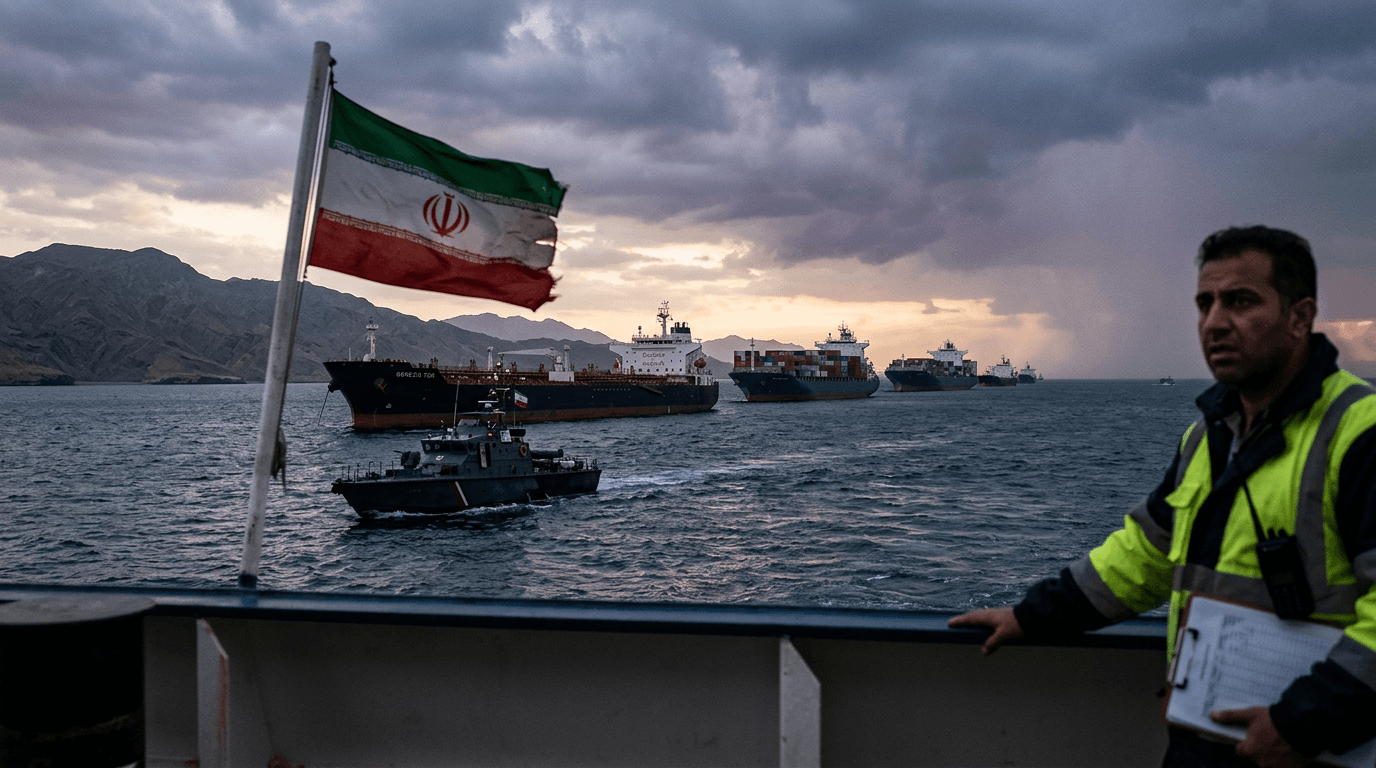
Geopolitical tensions have once again made waves in the forex markets as Iran's abrupt reversal on the reopening of the Strait of Hormuz leaves traders and policymakers grappling with uncertainty. Initially seen as a positive development on April 17, when Iran announced the full reopening of this vital maritime chokepoint, the situation quickly soured as Iranian forces reasserted control by April 18, even firing on vessels and closing the Strait once more. This swift change has cast doubt on the initial optimism that had led to a modest retreat in the US Dollar's strength, as traders now reassess the stability of this crucial oil transit route.
### The Strategic Significance of the Strait
The Strait of Hormuz is one of the world’s most critical maritime passages, with nearly one-third of global seaborne traded oil flowing through its narrow confines. The reopening announcement on April 17, tied to Iran’s interpretation of ceasefire conditions related to the Israel-Lebanon agreement, initially signaled potential de-escalation. Markets reacted with a sigh of relief, evidenced by a slight weakening of the US Dollar, as traders speculated on reduced geopolitical risk premiums that had been buoying oil prices. However, this sentiment proved short-lived.
### Reclosure and Market Reactions
On April 18, the situation shifted dramatically when Iran's Islamic Revolutionary Guard Corps (IRGC) closed the Strait once again, citing unfulfilled US commitments to lift naval blockades. The IRGC warned that any vessel movements toward the Strait would be considered hostile, effectively re-imposing the blockade. By April 19, reports confirmed that Iranian forces had engaged at least two vessels attempting to pass through, maintaining a firm grip over the waterway.
### Implications for Forex and Commodity Markets
This renewed closure presents a challenging scenario for market participants. The initial dollar weakness, driven by hopes of reduced geopolitical tensions, has been undermined by the reclosure, bolstering the dollar's safe-haven appeal as traders seek refuge amidst uncertainty. The oil market, in particular, faces renewed pressure, as fears of prolonged blockade conditions could spike crude prices, reinforcing demand for the US Dollar as an energy currency proxy. Consequently, major currency pairs such as EUR/USD and GBP/USD are poised for heightened volatility until clearer diplomatic resolutions are achieved.
### Political Rhetoric and Market Volatility
President Trump's accusations of Iran's "total violation" of ceasefire terms and threats of military action add another layer of complexity. Such escalatory rhetoric introduces tail risks that markets must account for, even as the actual likelihood of military conflict remains uncertain. This geopolitical overhang typically results in erratic trading conditions, with wider bid-ask spreads especially prevalent during key trading sessions.
### Shipping, Insurance, and Trader Considerations
Beyond immediate market reactions, the situation raises significant concerns for shipping and insurance logistics. Even during the brief Strait reopening, analysts like June Goh from Sparta Commodities highlighted the hesitancy among shipowners to traverse such a volatile region. The proximity required for passage through the Strait exposes vessels to potential threats, maintaining elevated insurance premiums and logistical challenges. This dynamic suggests that any future reopening will not instantly stabilize commodity and energy-related forex volatility, as insurance market reassessments lag behind headline developments.
### Key Takeaways for Traders
Traders should closely monitor ongoing negotiations between the US and Iran, as diplomatic breakthroughs could swiftly alter currency dynamics, similar to the initial April 17 dollar weakening. Conversely, increased military posturing would likely bolster the dollar's safe-haven status. Oil prices remain a crucial indicator, reflecting geopolitical risk appetites and energy-driven currency movements. To navigate these turbulent conditions, traders might consider adjusting stop-losses around key support and resistance levels, as geopolitical events tend to trigger sharp volatility spikes.
### Conclusion
The recent developments surrounding the Strait of Hormuz underscore the rapid shifts in market sentiment driven by geopolitical factors. While the initial reopening suggested potential easing of tensions, the swift closure highlights the fragility of such arrangements amidst ongoing political disputes. Traders are advised to maintain flexibility and refrain from committing heavily to directional bets until a clearer resolution emerges. As the standoff between Iran and the US continues, the potential for prolonged volatility remains a significant consideration for market participants.
News Impact Score: 7