
How the Assassination of Iran's Supreme Leader Ignited a USD Rally and Oil Price Surge
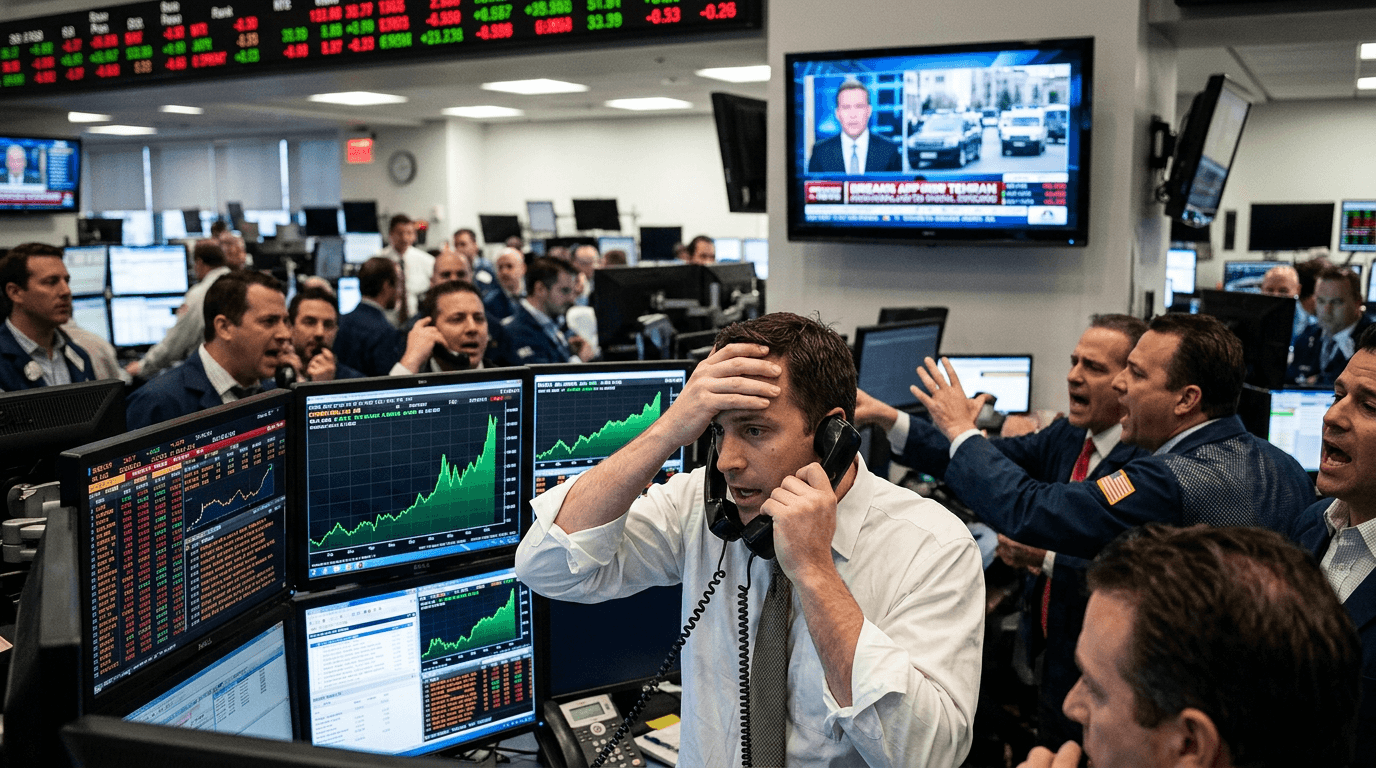
The assassination of Ayatollah Ali Khamenei on February 28, 2026, stands as a pivotal geopolitical event, reshaping global financial markets with immediate and profound effects. Following decisive US-Israel airstrikes on Tehran that obliterated Khamenei's key compound, markets swiftly reacted with a surge in safe-haven purchasing of US dollars and a sharp increase in crude oil prices amid escalating tensions in the Middle East. This intersection of geopolitical risk and financial response offers vital insights for traders navigating through increased volatility and formulating strategic positions in an ever-uncertain landscape.
Deciphering the Geopolitical Shock
The elimination of Khamenei marks a significant shift in Middle Eastern stability after his thirty-year tenure as Iran's supreme leader, during which he expanded Iran's regional influence while maintaining strict internal governance. The precision strike, which also claimed the lives of former President Mahmoud Ahmadinejad and numerous senior military officials, including 40 high-ranking officers, effectively dismantled Iran's political and military leadership.
The ramifications are extensive, reaching well beyond Tehran. With over 30 top military and civilian leaders targeted and at least seven confirmed dead, including Khamenei, Iran confronts an unprecedented institutional crisis. Reports confirm that Ali Larijani, a powerful figure and Secretary of Iran's National Security Council, was killed in a subsequent Israeli strike on March 17. This sequential removal of senior figures has created a critical power vacuum, heightening uncertainty over Iran's future actions and how emerging leadership might react to further escalation.
The Safe-Haven USD Rally Unveiled
In times of heightened geopolitical risk, capital predictably flows toward the most secure and liquid global assets. The US dollar, as the world's leading reserve currency, has seen immediate and sustained strength following Khamenei's assassination. Investors are reallocating funds away from riskier assets and emerging market currencies, favoring dollar-denominated instruments and treasuries.
This strength is particularly pronounced in major currency pairs. The EURUSD has dipped below 1.15 as traders favor the dollar over the euro, reflecting Europe's proximity to Middle East tensions and susceptibility to energy supply disruptions. The British pound has faced similar pressure, aligning with a broader risk-off sentiment. This is not mere speculation or irrational panic but a strategic reallocation toward perceived safer assets amid heightened uncertainty.
Market analysis highlights a correlation between oil prices and USD strength, indicating a potential 0.5% to 1% USD appreciation for every 10% increase in crude oil prices. This mathematical link offers traders a framework for understanding currency movements during energy crises. As crude prices rise due to Middle East supply concerns, the dollar's safe-haven appeal further strengthens the currency.
Oil Markets in Turmoil
Crude oil prices have surged as markets assess potential supply disruptions and Iran's uncertain response to the strikes. With the loss of key military and political leaders, Iran's path to retaliation remains unpredictable. Will new leadership pursue aggressive counteractions, risking broader regional conflict? Or will chaos prevent coordinated responses?
This uncertainty is precisely what oil markets dread. Refineries, traders, and energy companies need assurance of supply continuity. Disruptions to production, threats to the Strait of Hormuz, or escalation to neighboring oil-producing nations could significantly impact global energy prices. The rise in crude reflects this risk premium, with markets demanding compensation for holding positions through a volatile period of Iranian leadership transition.
Energy-intensive economies face direct challenges. Rising oil prices translate to inflationary pressures, complicating central bank policies and reducing consumer spending power. This dynamic enhances safe-haven demand for dollars as investors seek protection against inflation and economic slowdown.
Critical Insights for Traders
This event illustrates how geopolitical shocks initiate systematic and measurable market responses. Traders observing currency weakness, equity volatility, and commodity price shifts should recognize these as interconnected reactions to the same catalyst, not isolated movements.
The current climate favors dollar positioning, particularly against commodity-linked and politically sensitive currencies. Long USD positions remain appealing, supported by safe-haven flows and the mathematical correlation between oil prices and currency strength. However, traders must remain alert to potential reversals if tensions ease or Iran's new leadership signals cooperation rather than conflict.
Oil traders face a different set of challenges, balancing uncertainty-driven risk premiums against the likelihood of actual supply disruptions. Position sizing becomes crucial in environments where volatility can quickly impact both long and short positions.
Broader Implications
This scenario highlights how geopolitical events can drastically reshape market dynamics, overshadowing traditional economic indicators. Central bank policies, earnings reports, and employment figures become secondary when systemic threats to global stability arise. Diversifying across assets that respond differently to geopolitical shocks becomes essential for portfolio management during such periods.
The assassination of Iran's Supreme Leader signifies a structural break in regional stability with long-term implications for Middle Eastern dynamics, energy markets, and global risk perception. Traders who grasp these connections and position accordingly are likely to navigate this period more successfully than those viewing currency, commodity, and equity movements in isolation.
NEWS IMPACT SCORE: 9