
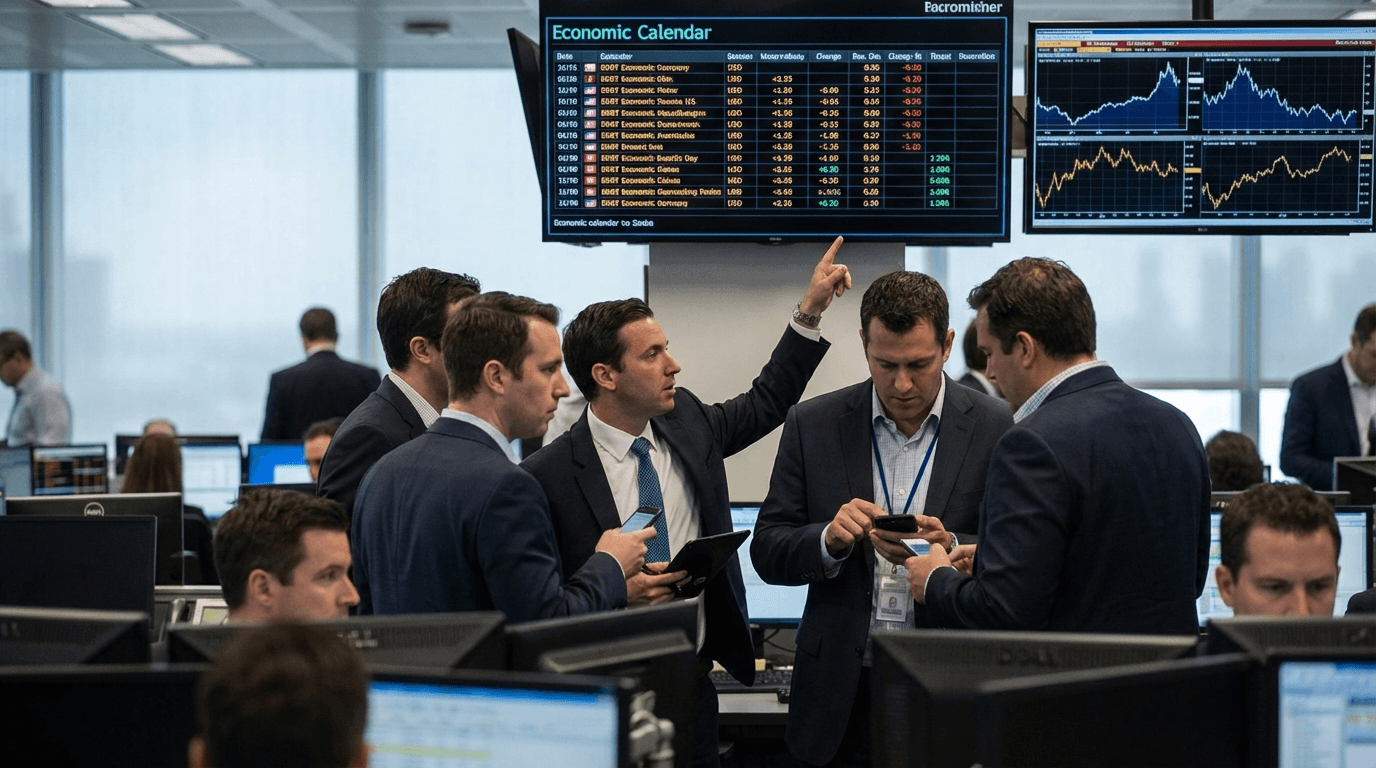
On March 30, 2026, traders and investors faced a pivotal moment as key economic data releases created ripples across currency markets and risk assets. Major announcements were expected, yet the interplay between European economic indicators and market positioning added layers of complexity and volatility to forex, futures, and related financial instruments. For those venturing within the SimFi arena, grasping how these calendar events shape market sentiment and price action is vital for executing profitable trading strategies.
Decoding The March 30 Economic Calendar
The spotlight on March 30 was the German Preliminary CPI month-over-month data—a vital economic indicator that traders scrutinize for insights into Eurozone inflation trends. As the largest economy in Europe, Germany's inflation trajectory often serves as a barometer for broader regional trends. Preliminary CPI figures, released at the end of each month, provide an early glimpse before official estimates. For currency traders, this data directly impacts EUR trading pairs like EUR/USD and EUR/GBP, shaping expectations around European Central Bank monetary policy actions.
Market Positioning Preceding Major Data
In the lead-up to March 30, traders were meticulously aligning their portfolios based on anticipated inflation readings and signals of economic growth. The sophistication of "trading the calendar" has evolved, with professional traders and algorithms primed for volatility surrounding scheduled data releases. As the date approached, forex markets were acutely sensitive to positioning, with traders weighing the likelihood of higher-than-expected inflation readings potentially accelerating ECB tightening versus softer data that might allay recession fears.
The art of calendar-aware trading lies in the foresight that markets often react to anticipated data before official releases. This opens doors for those adept at predicting market reactions. In SimFi environments, where traders hone skills with simulated capital, observing these psychological nuances aids in developing intuition for real market dynamics. The convergence of economic calendars across regions amplifies this effect, notably when German CPI data aligns with positioning for other major announcements.
Economic Data As Volatility Drivers
Economic calendar events act as scheduled catalysts for market volatility, and March 30 was a prime illustration of this. When anticipated data hits, traders swiftly reassess risk exposure and adjust positions. This repricing mechanism is foundational to modern financial markets. In derivative markets like futures, this volatility presents both risk and opportunity. Options traders specifically capitalize on anticipated volatility by strategically positioning volatility instruments during data release windows.
The March 30 calendar underscored a vital truth: even amidst algorithmic trading and AI-driven market analysis, fundamental economic data remains a reliable source of intraday volatility. Understanding which data points are pivotal for your trading instruments distinguishes consistently profitable traders from those ensnared by random market noise. While German CPI is crucial for EUR traders, its direct impact on commodity currencies or emerging market pairs may be limited, though indirect effects via risk sentiment can be significant.
Preparing For Calendar-driven Trading
For traders in SimFi platforms or gearing up for live markets, crafting a systematic approach to economic calendar trading demands discipline and preparation. Begin by identifying data releases that most directly affect your trading instruments. Track historical volatility patterns during these releases to gauge typical price movement magnitudes. Establish clear pre-release position sizing rules to avoid overexposure when data arrives.
Many successful traders maintain a calendar on their trading desktop, marking high-impact events in red and medium-impact events in yellow. This visual system averts common pitfalls like entering trades just before data releases or entirely avoiding the market during potentially lucrative volatility spikes. The March 30 calendar events epitomized the type of scheduled opportunity that disciplined traders anticipate and meticulously prepare for weeks ahead.
Actionable Insights For Traders
The insights from March 30 extend beyond the day itself. Each month offers similar calendar-driven trading opportunities, and honing skills in economic calendar analysis lays a foundation that compounds over time. Start by tracking a couple of key indicators relevant to your primary trading pairs. Observe market reactions compared to forecasts. Document these reactions as market behavior during data releases often reveals persistent patterns.
Moreover, leverage economic calendars to shape your broader trading strategy. If you foresee a series of weak economic data points converging, consider defensive positioning or rotating toward safe-haven assets. Conversely, if strong data is anticipated, positioning for risk-on moves becomes prudent. This macro-level calendar awareness shifts you from reacting to market movements to strategically anticipating market inflection points.
The March 30, 2026 economic calendar underscored why professional traders regard their economic calendars with the same seriousness as their charting software. By integrating calendar awareness with technical analysis and risk management, traders markedly enhance their probability of success across diverse market conditions and timeframes.
NEWSIMPACTSCORE: 5