
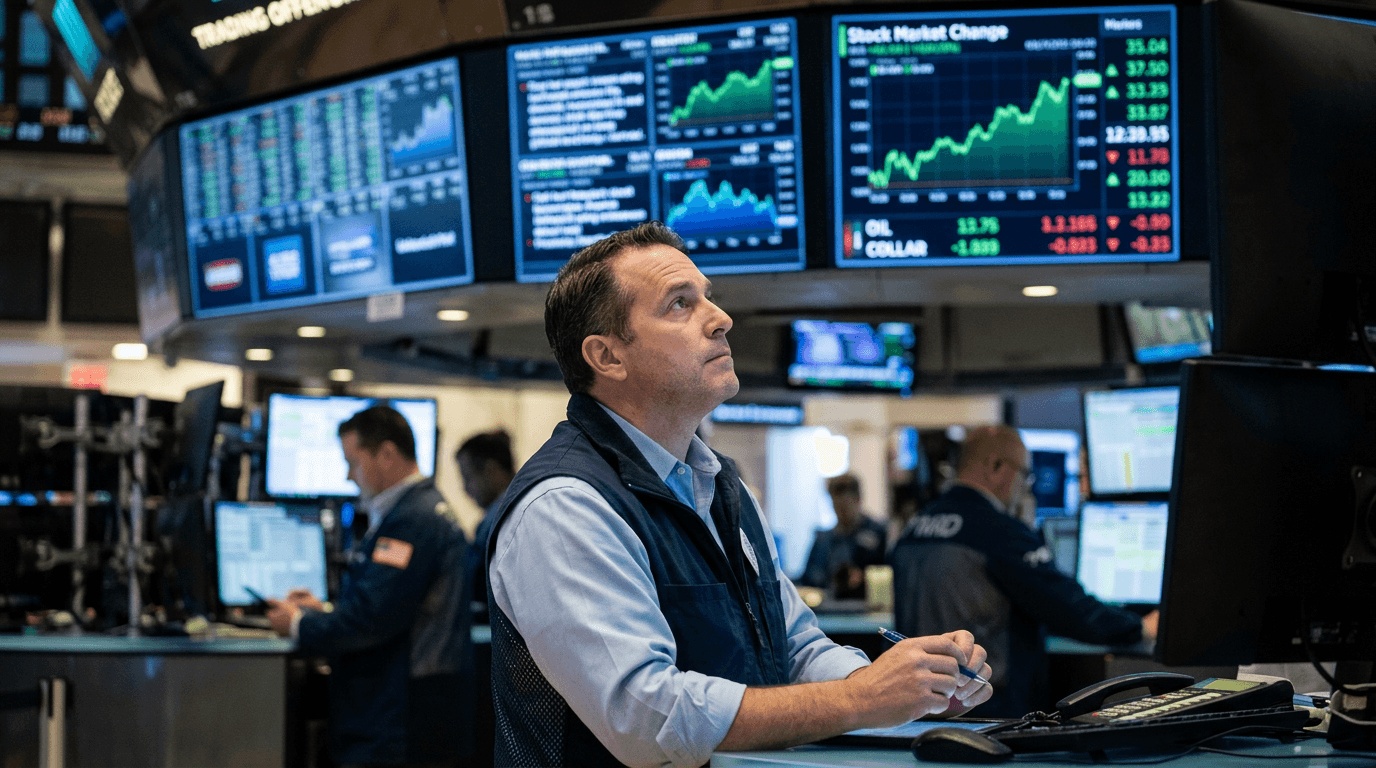
A brief pause in military escalation is sometimes all markets need to step back from the edge. After President Trump signaled a temporary halt to planned strikes on Iranian targets to allow room for a potential deal, global risk sentiment steadied. Equity futures bounced from session lows, crude oil backed away from spike highs, and high‑beta assets—from cyclical currencies to crypto—found dip buyers. But beneath the surface, volatility and uncertainty remain elevated, underscoring how fragile this calm really is.
Global Risk Sentiment: From Panic To Pause
Before the headline broke, markets were positioned defensively. Investors were pricing in the risk of a broader conflict in the Middle East, with concerns focused on energy infrastructure, shipping lanes, and potential spillovers into global growth and inflation.
The announcement of a short, defined pause in strikes—framed as a window for diplomacy—changed the tone almost instantly. The shift was not from fear to euphoria, but from “worst case is imminent” to “we might still avoid it.” That nuance matters: it explains why we saw a relief rally rather than a full‑blown melt‑up.
Risk sentiment moved from extreme caution toward a more balanced stance: - Hedging flows slowed as traders trimmed some safe‑haven exposure. - Short‑term volatility measures eased but stayed high versus recent norms. - Positioning began to rotate away from pure defense and back toward selective risk‑taking.
For traders, this is a classic example of how the market often responds more to changes in trajectory than to the level of risk itself. The geopolitical backdrop is still tense; what changed is the perceived probability of immediate escalation.
Cross-asset Reaction: What Moved And Why
Equities were first in line to respond. U.S. stock futures, which had been under pressure on fears of imminent strikes, reversed sharply higher, jumping more than 2% at one point. European equities followed, with major indices such as the STOXX 600 swinging from deep losses to modest gains as traders reassessed the near‑term threat to global growth and corporate earnings.
In FX, the dollar’s safe‑haven bid faded. The dollar index, which had been trending higher earlier in the session, reversed and closed lower on the day. The euro and other major counterparts bounced as traders unwound defensive long‑dollar positioning and rotated back into cyclical and higher‑beta currencies. Commodity‑linked currencies (like the Australian and Canadian dollars) and select emerging‑market FX saw tentative inflows as the worst‑case geopolitical scenario looked a little less likely.
In commodities, the immediate pressure was on crude oil. Prices had surged on fears of supply disruptions from potential strikes on Iranian energy infrastructure and regional shipping routes. Once the pause was confirmed, crude pulled back from its highs as some of that risk premium was quickly repriced. Importantly, oil didn’t collapse; it settled at elevated levels as traders recognized that the underlying structural risks to Middle East supply have not disappeared.
High‑beta assets like tech stocks and crypto also participated in the relief move. Crypto, in particular, tends to react strongly to shifts in risk appetite and dollar liquidity expectations. A softer dollar and improved risk tone provided a tailwind, attracting dip‑buyers after earlier volatility.
How Markets Price Geopolitical Risk
This episode is a live case study in how geopolitics feeds into markets. There are three key mechanisms at work:
1. Risk premium and probability Markets constantly adjust the “risk premium” embedded in asset prices. When the probability of a disruptive event—such as a strike on critical infrastructure—rises, assets sensitive to that risk need to reprice. Oil spikes to reflect potential supply shocks; equities fall to reflect higher uncertainty and possible growth damage; safe‑haven assets rise as investors seek protection.
A temporary pause with a credible prospect of negotiations reduces the perceived probability of the worst outcomes, so some of that premium comes out of prices. The move does not mean the risk is gone; it means the distribution of potential outcomes has shifted.
2. Liquidity and positioning Major geopolitical headlines often hit when markets are already stretched one way. In this case, markets were leaning defensive. When the headline turned more positive than expected, that defensive positioning became the fuel for a squeeze higher as traders rushed to cover shorts and reduce hedges.
The speed of the move reflects liquidity conditions. When everyone is on the same side of the boat, even modest news surprises can trigger outsized swings.
3. Narrative and time horizon Geopolitical events often evolve in stages: incident, escalation, diplomacy, resolution or renewed conflict. Markets react not just to the current headline, but to how it fits into the broader narrative. A time‑limited pause signals that diplomacy is on the table but also that the clock is ticking. That supports a “cautious risk‑on” stance rather than full confidence.
For traders, the lesson is to think in scenarios rather than absolutes. Prices will move as the market updates its probabilities across those scenarios.
Trading Playbook: Navigating Headline Risk
Headline‑driven sessions are challenging but also offer opportunity—especially in a simulated environment where you can focus on process without capital at risk.
Practical considerations for days like this
- Respect volatility Spreads widen, liquidity thins, and intraday swings become more violent. Position sizes that feel comfortable in “normal” conditions can quickly become too large. Scaling down size or widening stops to reflect realized volatility is essential.
- Separate the signal from the noise Not every headline is equal. A clear statement of a pause in strikes and an opening for negotiations carries more weight than speculative commentary or anonymous sources. Focus on official channels and reputable wires, and avoid overreacting to unconfirmed social media chatter.
- Map your cross‑asset links Think through the dependencies: Middle East tension → energy supply risk → oil prices → inflation expectations → central bank policy path → yields, FX, and equities. If the new information primarily reduces near‑term energy supply risk, expect the most direct impact in oil and related assets first, with knock‑on effects elsewhere.
- Have predefined playbooks Before the news hits, know what you’ll do if tensions escalate versus de‑escalate. That might mean having levels where you reduce risk, switch from hedging to taking directional exposure, or rotate between sectors (e.g., from defensives into cyclicals on de‑escalation).
Key Lessons For Simulated Traders
For traders using simulated capital, this type of event is an ideal training ground to build skills that translate directly to live markets:
- Practice reaction, not prediction The goal is less about calling the headline and more about responding efficiently once it lands. Track how different assets reacted over minutes, hours, and into the close, and study where you could have executed with discipline.
- Refine risk management under stress Stress‑testing your strategy in volatile, geopolitically driven sessions reveals weaknesses much faster than quiet markets do. Review your trades: were stop levels realistic given volatility? Did you overtrade the noise?
- Build a framework for geopolitical events Document how energy, FX, equities, bonds, and crypto responded to this pause in strikes. Then compare that map with past events involving the Middle East or other geopolitical flashpoints. Over time, you’ll develop a playbook that helps you act faster and more systematically.
Conclusion
The temporary pause in planned U.S. strikes on Iran has given markets a chance to exhale, but not to relax completely. Risk appetite has improved, the dollar’s safe‑haven bid has faded, and oil has shed some of its fear premium. Yet the underlying geopolitical story is far from resolved, and volatility remains elevated.
For traders, the value in this episode lies less in the short‑term price moves and more in the structural lessons: how positioning amplifies headlines, how risk premia are added and removed, and how cross‑asset relationships transmit geopolitical shocks. Practicing these dynamics in a simulated environment can sharpen your edge for when the next headline hits—and it will.