
### May Forecast: Iran Conflict Escalates, Triggering Market Turmoil
As we move into late March, the Middle East conflict, ignited by Operation Epic Fury on February 28, 2026, shows no sign of resolution. Prediction markets now anticipate a continuation of hostilities at least into May, with potential US troop movements into Iranian territory adding a layer of complexity and risk for traders and investors. The implications for energy markets, currency fluctuations, and futures positioning are profound, as this geopolitical risk unfolds across multiple asset classes.
#### The Evolving Battlefield
The conflict commenced with joint US-Israeli strikes targeting Iran's military and nuclear capabilities, resulting in the death of Supreme Leader Ali Khamenei and other high-ranking Iranian officials. Instead of retreating, Iran retaliated, marking the beginning of what is now termed the 2026 Iran War. Iran's strategy has been clear: engage in economic warfare by systematically targeting energy infrastructure across the Gulf states, focusing on oil facilities and liquefied natural gas plants. A key component of this strategy is disrupting the Strait of Hormuz, a vital artery for global energy supplies.
#### Expectations of a Drawn-Out Conflict
Experts agree that a quick resolution is unlikely. On March 18, 2026, Brian Katulis from the Middle East Institute stated, "This war won't end soon," despite rumors of potential negotiations led by President Trump. Iran's determination to resist is evident, with deep-rooted military and institutional commitments fueling continued hostilities.
Historical comparisons have surfaced, with Nostradamus's "seven months great war" prophecy frequently mentioned, highlighting anxiety over the conflict's scale and duration. Professor Xueqin Jiang, a Yale College graduate who foresaw both Trump's reelection and the US-Iran war, offers a stark outlook. He suggests Iran holds significant advantages, having prepared for this war of attrition for decades.
#### The Possibility of US Ground Operations
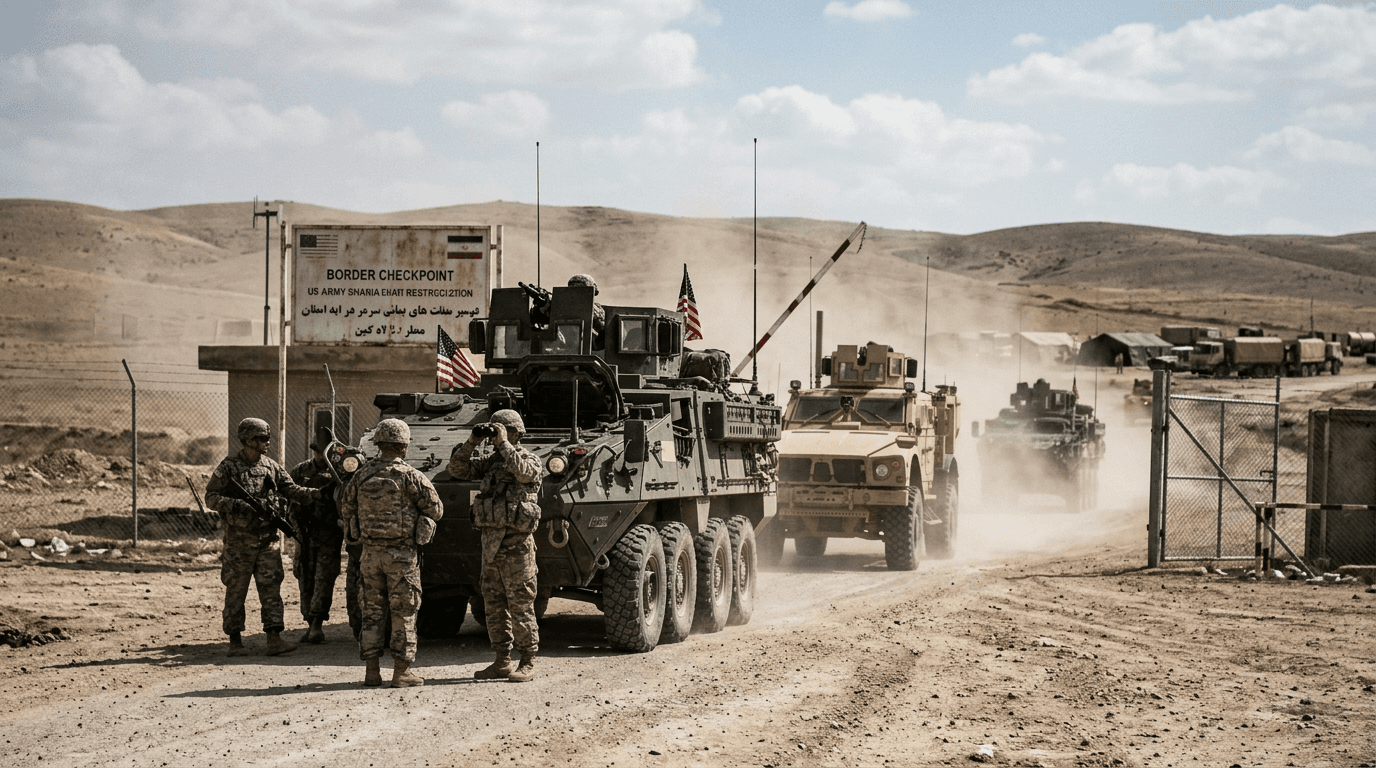
The potential for US ground operations in Iran marks a critical escalation, moving beyond airstrikes to possible regime change or territorial control. This shift carries severe implications for regional stability and global supply chains.
Jiang's analysis underscores the challenges posed by Iran's geography and demographics, with over 95 million people presenting formidable obstacles to a sustained American presence. This insight weighs heavily on market forecasts for the conflict's duration.
#### Energy Market Disruption
The immediate fallout is felt in energy markets. Rising oil prices, deemed by President Trump as "a small price to pay" for peace, are just the beginning. Iran's attacks on Saudi Arabia, the UAE, Qatar, Oman, and other Gulf states reflect a broader economic warfare strategy, with significant infrastructure damage already incurred.
The potential blockade of the Strait of Hormuz, crucial for 90% of food imports to Gulf Cooperation Council countries, poses an economic chokepoint with historic ramifications. Prolonged disruptions would ripple across global commodity markets, especially affecting crude oil and liquefied natural gas.
#### Implications for Traders
Forex traders should brace for heightened volatility in oil-linked currencies, such as the Saudi riyal. While energy exporters might benefit from higher prices, they face geopolitical uncertainties and supply risks.
Cryptocurrency markets could see inflows as investors seek safe havens amid currency instability and geopolitical unrest. Bitcoin and other digital assets offer alternatives to traditional fiat systems, especially if regional conflicts threaten banking infrastructures.
Futures markets for crude oil, natural gas, and agricultural commodities will remain sensitive to developments related to US troop movements, Iranian responses, and potential shipping disruptions through the Strait of Hormuz.
The anticipation of conflict extending into May holds significant market-moving potential. The decision on US troops entering Iranian territory will determine whether this remains a regional skirmish or escalates into a prolonged occupation, each path presenting unique opportunities and risks for traders across energy, forex, and derivatives markets throughout 2026.