
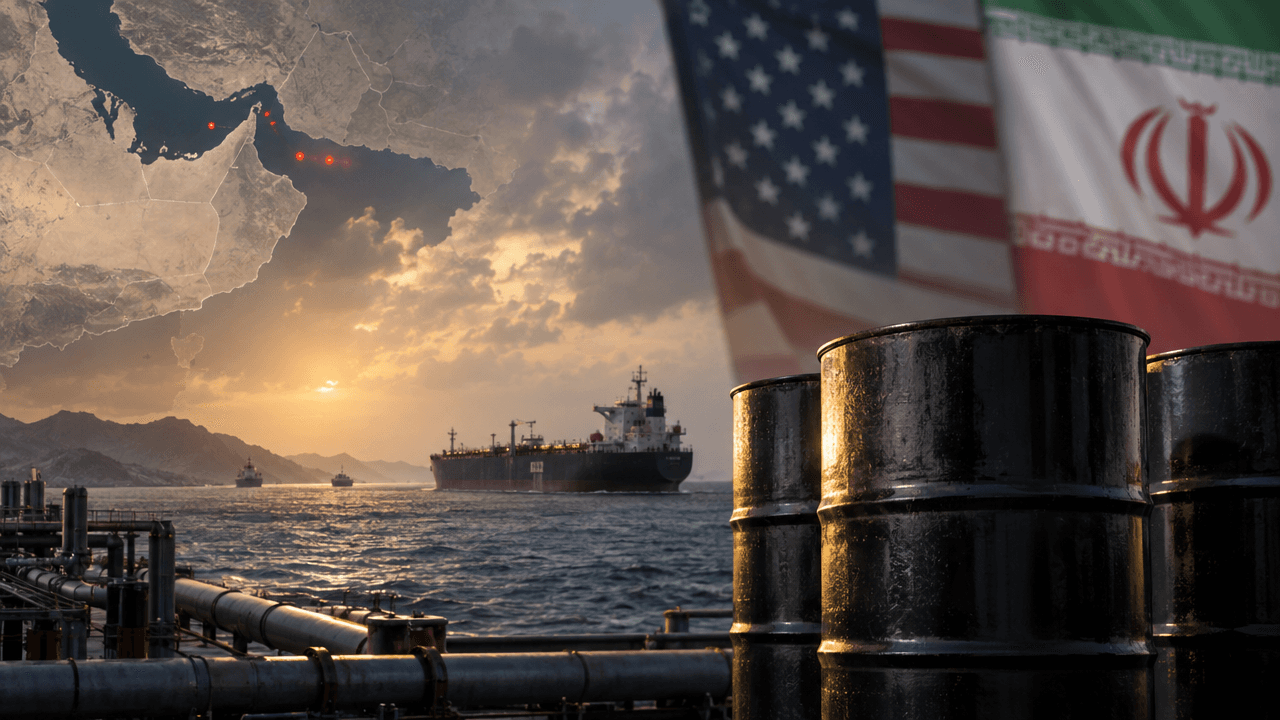
Oil futures are rebounding as traders balance two opposing forces: renewed concern over Middle Eastern supply disruptions and the possibility that U.S.–Iran diplomacy could eventually restore more predictable energy flows. The result is a market that remains highly sensitive to headlines, shipping activity, and official statements.
The latest move higher followed earlier declines, illustrating how quickly sentiment can change when geopolitical risk is involved. Continued threats to oil shipments through the Middle East have supported prices, while uncertainty over negotiations has limited the market’s willingness to price in a prolonged supply shock. At the same time, unexpectedly large U.S. inventory builds have reminded traders that physical-market fundamentals remain an important counterweight. [1]
Geopolitical Risk Supports The Oil Market
The Strait of Hormuz remains central to the current oil outlook. The waterway is a critical transit route for crude and liquefied natural gas from major Middle Eastern producers, making any threat to shipping potentially significant for global energy markets. Even when production continues, attacks, inspections, rerouted vessels, and higher insurance costs can delay deliveries and reduce the amount of supply reaching buyers.
That creates a risk premium in futures prices. Traders do not need to see a complete shutdown before bidding prices higher. The possibility of further disruptions can be enough to encourage refiners, governments, and commercial buyers to secure supplies in advance.
However, the market is also distinguishing between temporary disruption and lasting supply loss. If shipments continue through alternative routes or security conditions improve, the risk premium can fade quickly. This explains why oil has experienced sharp swings rather than moving steadily in one direction.
Diplomacy Creates A Powerful Counterforce
The possibility of U.S.–Iran diplomacy is placing a ceiling on some of the market’s upside pressure. Any credible agreement could reduce the likelihood of additional attacks, improve shipping confidence, and potentially ease restrictions affecting Iranian oil exports.
For traders, the key issue is not simply whether talks are taking place. The more important questions are whether negotiations produce a verifiable agreement, whether sanctions change, and how quickly affected barrels can reach international buyers. Diplomatic headlines may move prices immediately, but physical supply changes usually take longer.
This gap between headlines and actual barrels is important for anyone trading oil futures. A report suggesting progress can trigger selling before exports materially increase. Conversely, a breakdown in negotiations can lift prices even if no immediate supply interruption occurs. Traders are therefore pricing both today’s available supply and tomorrow’s possible supply.
U.S. INVENTORIES LIMIT THE REBOUND
The latest U.S. petroleum data offered a bearish signal. Commercial crude inventories increased by 4.7 million barrels to 414.4 million barrels, according to the Energy Information Administration. Analysts had generally expected inventories to decline, making the build larger than anticipated. [2]
An inventory increase can indicate that supply is exceeding near-term demand, imports are rising, refinery activity is slowing, or exports are losing momentum. The data does not automatically establish a long-term bearish trend, but it does make it harder for oil prices to rally solely on geopolitical concerns.
Traders should also examine the broader report rather than focusing only on the headline crude figure. Gasoline and distillate inventories, refinery utilization, production levels, and implied demand can reveal whether the build reflects temporary logistics or a meaningful change in consumption.
For example, a crude build accompanied by stronger fuel demand may be less concerning than a build occurring alongside weak refinery runs and rising gasoline stocks. Market participants therefore use the full data set to judge whether the U.S. market is tightening or becoming better supplied.
What Traders Should Watch Next
The immediate direction of oil futures is likely to depend on four developments.
First, monitor shipping conditions in and around the Strait of Hormuz. Reports of tanker attacks, delays, rerouting, or rising insurance premiums could quickly increase the risk premium.
Second, follow diplomatic statements carefully. Broad expressions of support for talks may have less market impact than confirmed negotiations, sanctions relief, or a formal agreement with clear implementation terms.
Third, track weekly U.S. inventory data. Repeated crude builds could pressure prices, particularly if they coincide with weaker demand or rising imports. A return to inventory draws would provide a more constructive signal for buyers.
Fourth, watch the futures curve. If near-term contracts rise faster than longer-dated contracts, the market may be pricing an immediate supply shortage. If longer-dated prices remain subdued, traders may believe the disruption will eventually fade.
Practical Takeaways For Simfi Traders
The current environment favors disciplined scenario planning over one-sided predictions. Traders can outline separate bullish and bearish cases before entering a position.
A bullish scenario would include worsening shipping disruptions, stalled diplomacy, and signs of tightening fuel inventories. A bearish scenario would involve successful negotiations, improving Middle Eastern exports, and continued U.S. crude builds.
Risk management is especially important because geopolitical markets can gap sharply after unexpected headlines. Position sizes should reflect volatility, and stop-loss levels should be placed according to the trade’s risk—not adjusted impulsively after the market moves.
It is also useful to distinguish between trading the headline and trading the trend. A short-term reaction to a diplomatic statement may offer momentum, but a sustained move generally requires confirmation from physical flows, inventory data, and the futures curve.
Conclusion
Oil futures are rebounding because Middle Eastern supply risks remain unresolved, but the recovery is being restrained by growing U.S. inventories and the possibility of diplomatic progress. This conflict between geopolitical scarcity and improving physical supply is likely to keep crude markets volatile.
For traders, the most important lesson is to avoid treating any single headline as a complete market signal. The strongest decisions will combine geopolitical analysis with inventory trends, shipping data, demand indicators, and careful risk control. In a market shaped by both diplomacy and disruption, flexibility may be more valuable than conviction.