
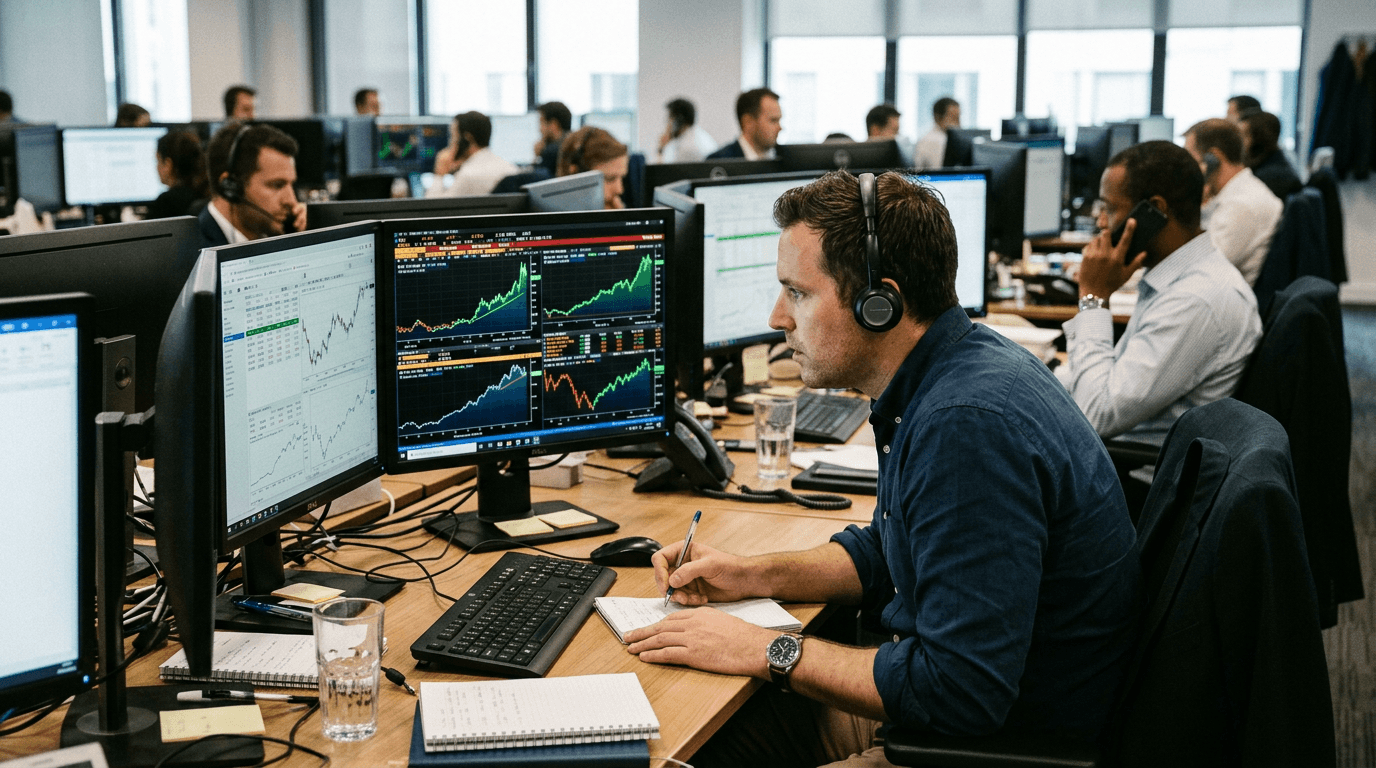
Oil and geopolitical risk have returned to the center of the futures landscape, with every headline out of the Middle East capable of repricing crude and rippling across energy and index contracts within minutes.[4][8][9] The recent focus on the Strait of Hormuz, coupled with ceasefire and blockade developments, underscores how quickly the market can swing from supply shock to relief rally—and why traders cannot afford to ignore the headline tape.[4][8][9]
Why Oil Is Still The Ultimate Macro Catalyst
Oil remains one of the most important macro assets because it connects directly to growth, inflation, and corporate profitability, making crude futures a natural transmission mechanism for geopolitical risk.[4][9] Around 20% of global seaborne oil and liquefied natural gas typically passes through the Strait of Hormuz, so any disruption there has immediate global implications.[4][9] Recent conflict-related restrictions through the strait have produced some of the sharpest oil shocks on record, pushing Brent prices well above 100 dollars and triggering extreme volatility in energy futures.[4][9] Strategists have estimated that traders now demand a substantial risk premium per barrel—sometimes in the teens of dollars—to compensate for the heightened geopolitical uncertainty.[1] This risk premium is not static; it expands on escalation headlines and compresses when ceasefires or shipping reopenings reduce perceived supply risk.[1][2][7]
For futures traders, this means oil serves as both a directional bet and a barometer of risk appetite across the broader market.[5][11] When Middle East tension rises, crude futures often rally, implied volatility increases, and liquidity can shift toward defensive or short-dated positions.[5][6][11] When tensions ease, that risk premium bleeds out, futures curves can flatten or shift lower, and traders reassess positioning in energy, equities, and inflation-linked products.[2][7][10]
Strait Of Hormuz Headlines: How They Translate Into Price Action
The recent Strait of Hormuz crisis offers a clear case study of how headline risk translates into futures moves.[4][9] Near-total disruption of shipping through the strait triggered one of the largest oil price shocks in history, with Brent surging by more than 60% in a single month and posting record monthly gains.[4] As restrictions intensified and shipments fell by over 90%, Brent climbed into triple-digit territory, highlighting how quickly supply fears can drive crude futures higher.[4][9] Each escalation—blockades, attacks, or threats to shipping—has tended to push prices up, often by several percentage points in a single session.[6][11][12]
The inverse is also true: when policymakers announce ceasefires or signal that the strait will remain open to commercial traffic, crude futures can fall just as quickly.[2][7][10] Statements that the Strait of Hormuz will be “completely open” during a ceasefire have triggered double‑digit percentage drops in international oil prices, with Brent sliding from near 100 dollars down toward the high‑80s.[2][7] As ship traffic through the strait “rises meaningfully,” both Brent and WTI futures tend to decline several percent, reflecting reduced supply stress.[10][13] Even partial exits of tankers from the region, or tentative truces that ease blockade risk, have driven oil back toward pre‑war levels in the high‑60s to low‑70s.[13][14]
The takeaway for futures and SimFi traders is straightforward: monitoring real-time headlines about shipping flows, ceasefire terms, and blockades in the Strait of Hormuz is now as critical as tracking traditional macro data.[4][8][9] Price action in crude often responds within minutes, and liquidity can concentrate around key levels as traders re‑price the probability of further disruptions or lasting peace.[6][8][12]
From Crude To Index Futures: Transmission Channels
Oil futures do not move in isolation; they increasingly act as a catalyst for index, volatility, and even interest rate futures.[5][8][11] Surging crude prices raise input costs for corporates, pressure profit margins, and can dampen growth expectations, which tends to weigh on equity index futures and lift volatility futures.[4][9][11] During recent escalations in the Iran war and Strait of Hormuz disruptions, equity markets in Asia and beyond saw sharp moves, with major indices rallying on ceasefire headlines and selling off when blockade risks resurfaced.[8] A two‑week ceasefire that aimed to suspend the blockade through Hormuz, for instance, coincided with a multi‑percentage‑point jump in a key equity index as traders priced in reduced energy stress and improved visibility.[8]
On the flip side, when blockades are re‑imposed or talks fail, oil prices have quickly returned to the 100‑dollar area, unsettling risk assets.[6][11][12] That dynamic feeds through to risk premia in equity futures, credit indices, and even inflation expectations, as traders reassess the path of energy costs and central bank responses.[4][11] For macro traders, the link between Middle East headlines, crude futures, and index futures is now a central part of daily risk management.[5][8][11]
Practical Playbook For Futures And Simfi Traders
In a market where oil and geopolitics dominate, traders—whether live or in a SimFi environment like E8 Markets—need a structured approach to headline risk.[4][8][9] A first step is building a calendar and watchlist of key catalysts: ceasefire deadlines, shipping-status briefings, sanctions announcements, and military developments around the Strait of Hormuz.[4][8][11] Mapping these events against recent price levels in crude, energy equities, and index futures helps identify where the market might be vulnerable to surprise.[6][8][12]
Second, define scenarios and stress tests: a full one‑month closure of the strait versus a partial disruption, a durable ceasefire versus a breakdown in talks.[1][4][9] Historical estimates suggest that a complete closure, without offsets from pipelines or strategic reserves, can add well over ten dollars per barrel to crude, while partial disruptions can generate smaller yet still material increases.[1][4] Simulating how these price changes would affect energy futures, equity indices, and volatility allows traders to rehearse their responses in a risk‑free environment.[4][8][9]
Third, pay attention to the shape of the futures curve, not just the front month.[5][6][11] Escalation headlines often steepen curves and widen calendar spreads as traders price prolonged risk, while credible ceasefire or reopening news can flatten curves as risk premia compress.[2][10][14] Active management of duration along the curve—rolling positions, adjusting exposure to near‑ versus far‑dated contracts—can be an important tool for managing geopolitical shocks.[5][6][11]
Finally, integrate risk management rules that reflect headline velocity.[6][8][12] That can include using smaller position sizes around known event windows, pre‑defined stop levels, and diversification across uncorrelated assets to avoid concentrated exposure to a single geopolitical theme.[5][11] In SimFi, traders can practice executing this playbook repeatedly, refining how quickly they adapt to new information without the pressure of real capital at risk.[4][8][9]
Conclusion: Preparing For The Next Headline Shock
Oil and geopolitical headlines are likely to remain a primary catalyst for futures markets as long as the Strait of Hormuz and broader Middle East tensions sit at the heart of global energy supply.[4][8][9] Ceasefires, blockades, and shipping updates can swing crude prices by double‑digit percentages, with knock‑on effects across equity, volatility, and macro futures.[2][4][6][11] Traders who treat these headlines as part of a systematic framework—rather than noise—will be better positioned to navigate the sharp moves that define this regime.[5][8][11] Using simulated environments to rehearse scenarios, test strategies, and refine risk management can turn a volatile news cycle into a learning advantage, preparing traders for the next wave of oil‑driven market repricing.[4][8][9]