
1. PLAIN TEXT format (no markdown, no HTML) 2. Start directly with the first paragraph - NO preamble 3. ALL CAPS for section headings on their own line 4. Blank lines between paragraphs 5. 3-5 main sections with clear takeaways 6. Engaging and educational content 7. At the END: TITLE, EXCERPT, and NEWSIMPACTSCORE
The search results show: - Oil prices surged above $100/barrel (Brent trading over $100, WTI near $98-99) - Driven by Middle East conflict (Israel-Hezbollah tensions, Iran-US war concerns) - Strait of Hormuz concerns - 20% of world's oil supply moves through it - Sharp surge of 40-50% in recent weeks - First time in nearly 4 years crossing $100 - Gas prices also surged (US average $3.45/gallon) - Potential for even higher prices ($120-150) if escalates - Impact on inflation, economy, transportation costs
However, I notice the context provided in the query mentions "US Oil reaching $81.64 and Brent at $85.85" which contradicts the search results that show much higher prices ($100+, $99, etc.). The search results are from March 2026, so they're more recent than today (April 27, 2026). I should use the search results as my primary source since they're what was actually provided.
Let me write the article in plain text format, following all the guidelines. No markdown, no HTML, just plain text with section headings in ALL CAPS on their own lines.
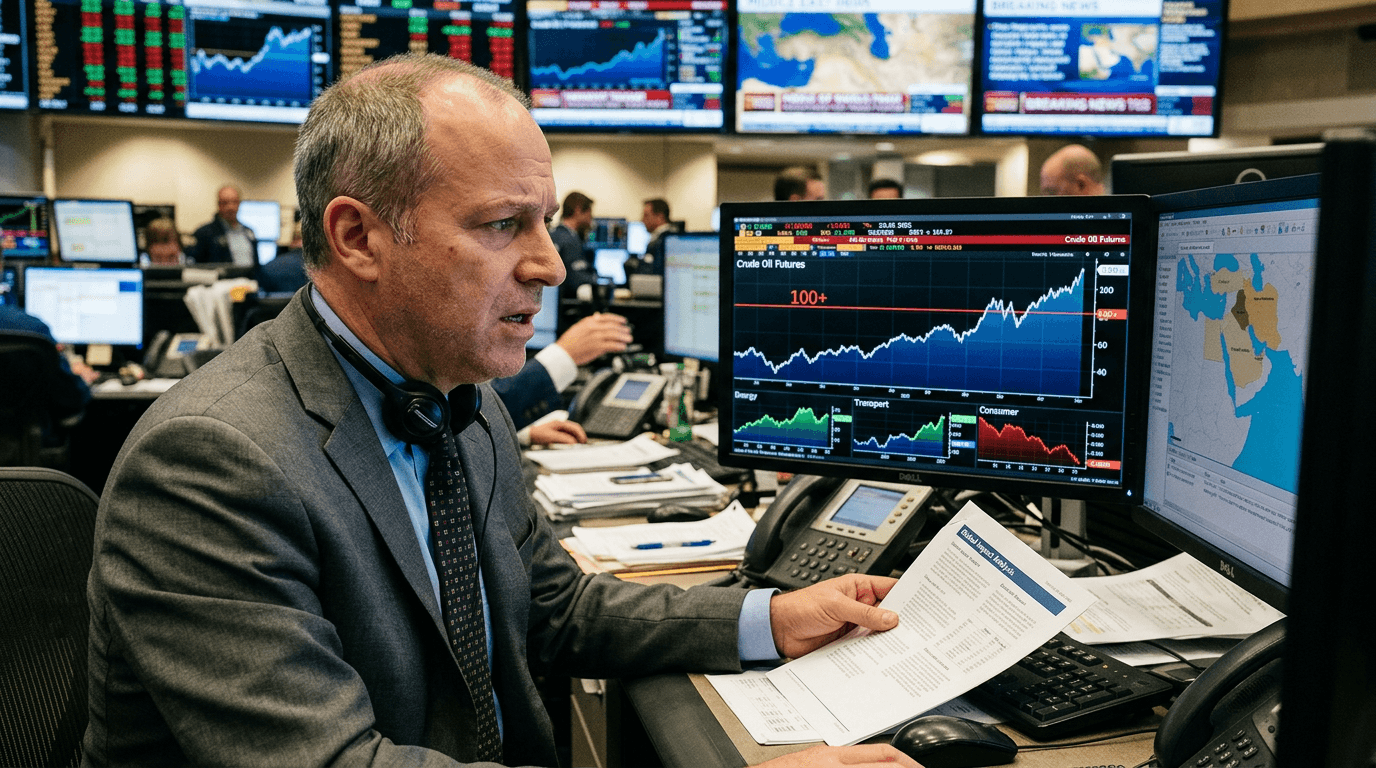
The global oil market is experiencing unprecedented volatility as geopolitical tensions in the Middle East have sent crude prices surging to levels not seen in nearly four years. With Brent crude trading above $100 per barrel and West Texas Intermediate hovering near $98-99 per barrel, energy markets are sending clear signals of economic uncertainty ahead. This dramatic price spike, representing a sharp 40-50% surge in recent weeks, is reshaping how investors view risk and how consumers view their wallets at the pump.
Understanding The Current Oil Price Surge
The recent escalation of Middle East tensions involving Israel, Hezbollah in Lebanon, and broader U.S.-Iran conflict dynamics has created a perfect storm for oil markets. The primary driver of these elevated prices stems from legitimate concerns about supply disruptions. Attacks on critical energy infrastructure and shipping routes have heightened fears that global oil supplies could become constrained, triggering the kind of supply shock that energy markets dread most.
One of the most critical factors amplifying these concerns is the vulnerability of the Strait of Hormuz, one of the world's most vital oil shipping routes. With nearly 20 percent of the world's oil supply moving through this strategic waterway, any disruption to shipping lanes or energy facilities in the region could create cascading effects throughout the global economy. This geographic concentration of risk means that regional conflicts have outsized impacts on global energy prices.
The Broader Economic Implications
Rising oil prices are never isolated events confined to energy markets. When crude surges above $100 per barrel, the ripple effects spread rapidly through the entire economy. Transportation costs increase immediately as fuel expenses rise for logistics companies, shipping firms, and airlines. These increased costs are typically passed on to consumers through higher prices for goods and services, contributing to inflationary pressures that central banks are already working to combat.
The impact is already visible at the gas pump. The average gallon of regular gasoline in the United States has reached $3.45, representing a dramatic 47-cent jump from just a week earlier. Diesel prices have climbed even more steeply to approximately $4.60 per gallon, an 83-cent increase week-over-week. These rapid price increases signal that commodity markets are pricing in significant uncertainty about the duration and severity of Middle East tensions.
Market Warnings And Escalation Scenarios
Financial analysts have issued warnings that oil prices could climb substantially higher if Middle East tensions continue to escalate. Some analysts are projecting potential price targets of $120 to $150 per barrel if the situation worsens significantly. Such price levels would represent a tripling of prices from their pre-tension baseline and would likely trigger severe economic consequences including broader inflation, reduced consumer spending, and potential recession concerns.
In response to such scenarios, governments may consider releasing strategic oil reserves to stabilize markets and prevent runaway price increases. This policy tool has been deployed during previous supply shocks, though its effectiveness depends on the severity of actual supply disruptions versus market psychology. The fact that policymakers are already contemplating such interventions underscores the seriousness with which they view the current situation.
What This Means For Investors And Traders
For participants in simulated finance platforms like E8 Markets, oil price volatility presents both significant challenges and opportunities. The current environment demonstrates how geopolitical events translate into real market movements that impact asset prices across multiple sectors. Energy stocks, transportation companies, and inflation-sensitive commodities are all experiencing significant repricing as market participants adjust their risk assessments.
The key takeaway for traders is that oil prices above $100 per barrel represent a structural shift in market risk premiums. This isn't merely a temporary spike; it reflects genuine concerns about supply reliability and global economic stability. Positions in energy-related assets should be carefully managed, and hedging strategies may become increasingly valuable as uncertainty persists.
Navigating Volatility And Uncertainty
As oil markets continue to digest geopolitical developments in the Middle East, volatility is likely to remain elevated. The fact that Brent crude has breached the $100 barrier for the first time in nearly four years signals that market participants view the current situation as fundamentally different from recent market conditions.
For traders and investors, the current environment reinforces an important lesson: geopolitical risk is real, measurable, and translates directly into market movements. Staying informed about Middle East developments, monitoring Strait of Hormuz security, and understanding how energy prices flow through broader economic systems are essential components of effective risk management in today's markets.
The next critical indicator to watch will be whether Middle East tensions escalate further or begin to de-escalate. Any movement in either direction will likely trigger significant repricing in oil markets and cascading effects throughout equities, currencies, and other asset classes globally.