
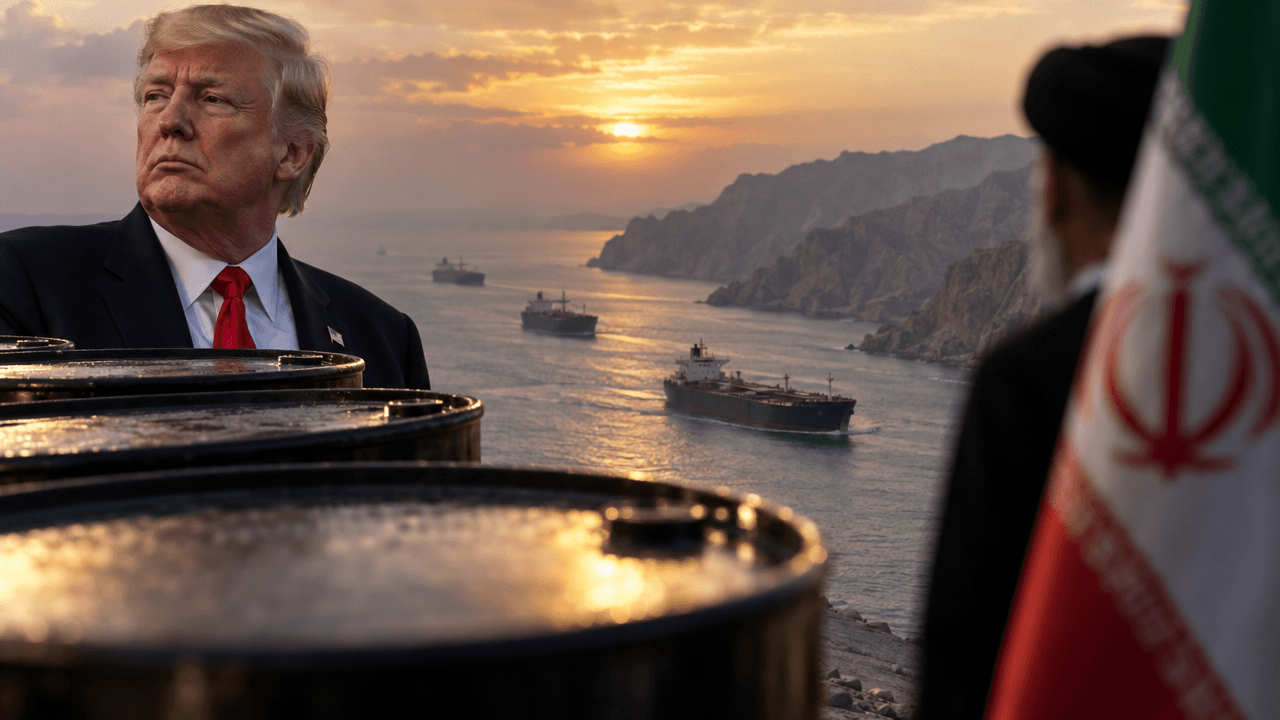
Oil prices pulled back as traders reassessed the immediate risk of a wider US-Iran confrontation. West Texas Intermediate crude fell about 0.9% to $90.68 a barrel after President Donald Trump said the United States would not attack Iran before the November 3 midterm elections. The announcement reduced part of the geopolitical risk premium built into energy markets, while also offering temporary relief to equities, interest-rate markets and inflation-sensitive assets. [1][10]
The retreat does not mean the oil market has returned to normal. Crude remains elevated, the Middle East remains volatile, and traders are still watching the Strait of Hormuz, military activity in the region and the possibility that negotiations could break down after the election. For investors, the latest move is a reminder that energy prices can respond as quickly to political headlines as they do to supply and demand data.
Why Oil Retreated
Oil prices had climbed sharply after reports that the White House was considering renewed strikes against Iran before the midterm elections. Those reports raised the possibility of damage to Iranian energy infrastructure, disruptions to regional exports and a broader military escalation.
The market reaction was immediate. Brent crude briefly moved above $105 a barrel, while WTI approached $93 before giving back some of its gains. When Trump later stated that the United States would not attack Iran before the election, traders removed some of that worst-case scenario pricing. [3][4]
This is known as a decline in the geopolitical risk premium. The risk premium represents the additional price investors are willing to pay for crude when future supply appears less secure. It can rise even when physical oil production has not yet been interrupted, because traders price the possibility of future disruptions.
Trump’s statement reduced the perceived probability of an imminent attack, but it did not eliminate the underlying risk. The United States is maintaining economic pressure on Iran, and reports indicate that military options have been prepared should tensions rise again. [9]
Why The Strait Of Hormuz Matters
The Strait of Hormuz remains central to the oil outlook. The narrow waterway connects the Persian Gulf with the Gulf of Oman and is one of the world’s most important energy routes. Trump said that oil was continuing to flow through the strait in substantial volumes, but traders remain concerned about what could happen if the waterway were threatened.
Any prolonged disruption would affect crude exporters and importers across Asia, Europe and the Middle East. Even a temporary increase in shipping risk could lift freight costs, delay deliveries and encourage companies to build inventories. Those effects can push prices higher before a physical shortage appears.
The market is also monitoring regional hostilities involving Iran-backed groups, including tensions affecting shipping routes and energy infrastructure. These risks make oil prices sensitive to military statements, diplomatic developments and reports about possible attacks. [7]
The key point for traders is that a lower risk premium is not the same as no risk premium. WTI near $90 remains far above levels that would typically be considered comfortable for consumers and central banks.
Market Impact Beyond Crude
Oil’s retreat supported equities because lower energy prices can ease concerns about corporate costs and household purchasing power. Airlines, transportation companies, manufacturers and consumer businesses generally benefit when fuel expenses stabilize. By contrast, energy producers may see some of their recent gains fade if crude prices continue to decline.
The move also helped calm inflation expectations. Higher oil prices can raise gasoline, diesel, shipping and production costs throughout the economy. If that pressure persists, central banks may face greater difficulty reducing interest rates or may need to keep borrowing costs high for longer.
Bond markets reacted to the same logic. A renewed oil surge could push inflation expectations and government bond yields higher, tightening financial conditions. A retreat in crude gives policymakers more room to assess the economy without immediately responding to an energy-driven inflation shock.
Currencies are also exposed. Oil-importing economies may benefit from lower energy costs, while major exporters can see their trade balances and currencies supported by higher crude prices. For SimFi traders, this creates opportunities across commodities, equity indexes, bonds and foreign exchange rather than in oil alone.
What Traders Should Watch Next
The first indicator is whether WTI can hold near the $90 area. A sustained move below that level could suggest that traders are reducing additional geopolitical exposure. A rebound above recent highs, however, would signal that supply concerns remain dominant.
The second indicator is diplomatic progress. Trump cited productive discussions with Tehran, but negotiations can change quickly. Any announcement involving sanctions, blockades, nuclear activity or military deployments could produce an immediate reaction across energy and financial markets.
The third is confirmation from physical markets. Traders should monitor shipping activity through the Strait of Hormuz, regional export volumes, tanker rates and inventory data. Headlines can move futures prices, but sustained trends usually require evidence that supply or demand is changing.
Finally, watch inflation-sensitive assets. If oil falls while bond yields and inflation expectations also ease, markets may interpret the move as a broader reduction in macroeconomic pressure. If crude retreats but yields continue climbing, investors may believe that inflation risks remain embedded elsewhere.
Practical Takeaways For Simfi Traders
Avoid treating a single headline as a complete trading thesis. The initial oil reaction may be logical, but volatility can remain elevated when military and political developments are involved.
Use scenario planning. A diplomatic breakthrough could push crude lower, while renewed strikes or a shipping disruption could send prices sharply higher. Define risk before entering a position, particularly when markets are trading around major news.
Watch correlations, but do not assume they will remain stable. Lower oil may support stocks and reduce rate pressure, yet energy-sector equities, oil-linked currencies and emerging markets can react differently depending on their exposure.
The latest retreat is best understood as a repricing of timing, not a resolution of the Middle East risk. Trump’s pledge has lowered the immediate threat of strikes before the midterms, but oil markets will continue to price the possibility of renewed tension. For traders, the most important skill is separating temporary headline relief from a lasting change in supply fundamentals.