
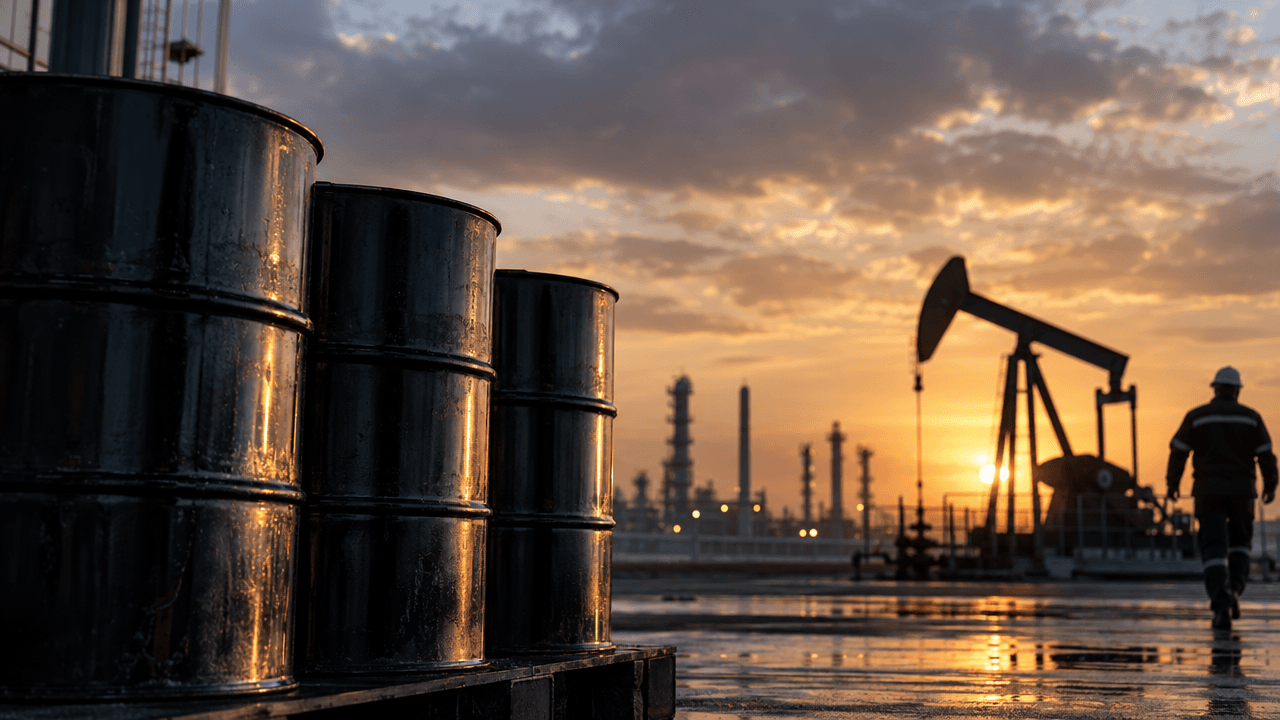
Oil prices have retreated from a five-month high, offering a modest reprieve for consumers, businesses, and central banks monitoring inflation. Brent crude settled around $108.79 per barrel after falling 76 cents, or 0.69%, while U.S. West Texas Intermediate crude declined $1.87, or 1.8%, to approximately $101.79. [13]
The pullback does not erase the broader energy shock. Oil remains elevated, and the market is still pricing in a significant geopolitical risk premium. However, even a limited decline can ease immediate concerns about gasoline, diesel, transportation, and production costs. For financial markets, the key question is whether this retreat marks the beginning of a sustained cooling trend or simply a pause in a volatile rally.
Why Oil Prices Have Eased
The recent decline reflects a shift in short-term market sentiment rather than a complete resolution of supply risks. Prices had climbed sharply as traders worried about disruptions in the Middle East, uncertainty surrounding shipments through the Strait of Hormuz, and damage to Russia’s refining infrastructure. Brent recently reached $109.86, its highest settlement since May, while WTI moved above $100 per barrel. [1]
As prices approached important technical resistance levels, some traders took profits. The market also received limited reassurance that physical oil flows were holding up better than the most severe scenarios had suggested. Reports indicated that Persian Gulf oil flows had recovered to roughly 80% of their pre-conflict level, although refined-product shipments remained constrained. [2]
This distinction matters. Crude oil may continue moving through key export routes even when shipping costs, insurance premiums, and delivery schedules become more expensive. Those additional costs can still affect fuel prices, but they may prevent an immediate supply shock of the magnitude feared by traders.
The Inflation Relief Channel
Lower oil prices can influence inflation through several channels. The most visible is fuel. When crude prices decline, gasoline and diesel prices may eventually follow, depending on refining margins, taxes, inventories, and local supply conditions. Cheaper fuel reduces household transportation expenses and lowers operating costs for freight companies, airlines, delivery services, and manufacturers.
Energy also affects the prices of goods that do not appear directly connected to oil. Trucks, ships, and aircraft require fuel to move products through supply chains. Manufacturers use energy to produce chemicals, plastics, packaging, construction materials, and other industrial inputs. A sustained decline in oil prices can therefore slow the pass-through of higher costs across the economy.
For central banks, this may be welcome news. Energy prices are among the most volatile components of consumer inflation, but a sharp and prolonged increase can spread into broader price expectations and wage negotiations. A retreat from elevated levels reduces the risk that an energy spike will intensify inflation beyond the fuel sector.
Still, one or two weaker trading sessions will not materially change the inflation outlook. The impact depends on duration. If Brent remains close to or above $100 per barrel, energy may continue contributing to price pressure even if the market avoids a larger surge.
GEOPOLITICAL RISK REMAINS THE MARKET’S WILDCARD
The decline in oil prices should not be interpreted as a return to normal conditions. Geopolitical supply risks remain central to the market outlook. Escalating tensions around the Strait of Hormuz could disrupt one of the world’s most important oil shipping routes. At the same time, uncertainty surrounding Russian diesel supplies and attacks on energy infrastructure continues to influence refined-product markets. [3]
Oil markets often react faster to potential supply losses than to confirmed changes in physical output. Traders may bid prices higher when they believe a disruption is possible, even before barrels are removed from the market. This creates a risk premium that can disappear quickly if supply flows improve, but can also expand rapidly if an incident worsens.
That dynamic helps explain the market’s recent volatility. Brent surged nearly 4% in one session as geopolitical concerns intensified, then retreated as traders assessed whether actual supply conditions justified such high prices. [5] The result is a market highly sensitive to headlines, shipping data, inventory reports, and official statements.
What Traders And Investors Should Watch
The next phase of the oil market will depend on whether prices continue to make lower highs and lower lows or stabilize near current levels. Traders should monitor several indicators.
First, follow developments around the Strait of Hormuz and other major shipping routes. Any sustained reduction in export flows could quickly reverse the recent decline. Second, watch refinery operations and refined-product inventories. Tight diesel supplies may keep fuel prices elevated even if crude prices soften. Third, pay attention to U.S. and global inventory data, which can reveal whether supply is rebuilding or demand is weakening.
Demand is another important variable. Elevated oil prices can encourage production, efficiency improvements, and substitution, but they can also weaken economic activity. If high energy costs begin slowing transportation, manufacturing, or consumer spending, demand concerns could place additional downward pressure on crude.
For SimFi traders, the practical lesson is to avoid treating a single price move as a complete trend. A disciplined approach combines price action with fundamental catalysts. Risk limits are especially important when geopolitical headlines can produce large intraday movements.
The Bigger Market Picture
Oil’s retreat is constructive for inflation, but it is only a partial relief signal. Brent near $109 and WTI above $100 remain historically significant levels, and the market continues to face serious supply uncertainty. The latest decline shows that traders are willing to reduce positions when flows appear more resilient and technical resistance limits further gains.
The most favorable outcome for the broader economy would be a gradual decline in oil prices supported by improving supply conditions rather than a collapse caused by severe demand weakness. That scenario could reduce inflation pressure without signaling a sharp deterioration in global growth.
For now, oil markets remain balanced between easing near-term pressure and persistent geopolitical risk. Traders, investors, and policymakers should focus less on one daily move and more on whether supply routes stabilize, inventories recover, and elevated energy costs begin to fade from the inflation data.