
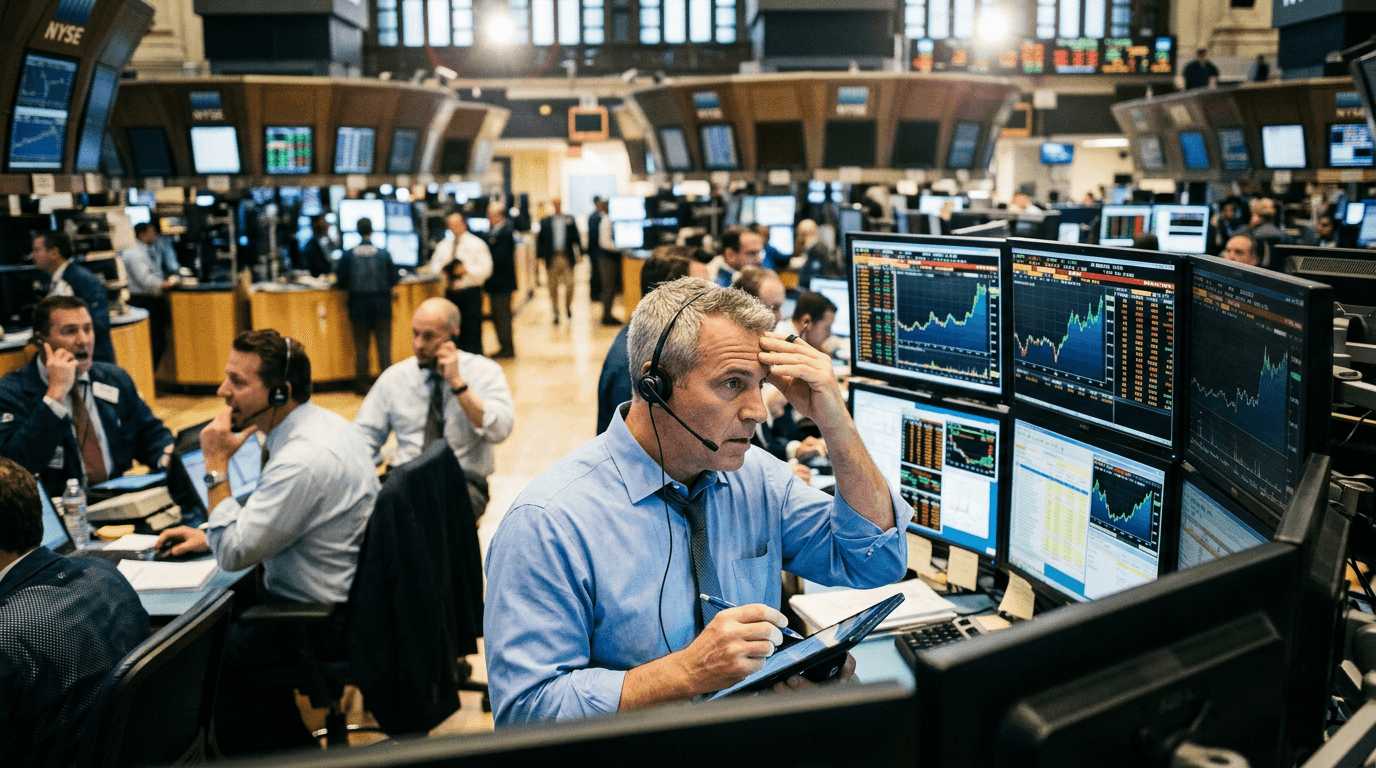
Oil’s latest surge is a textbook reminder of how quickly geopolitics can ripple through markets. A jump of up to 9% has pushed US crude above $81 and Brent above $85 as tensions involving Iran and regional actors escalate, reviving inflation worries and knocking risk appetite in global equities. Higher energy costs are now being priced into inflation expectations, complicating the timing and depth of any future central‑bank rate cuts and feeding volatility across equity index futures and bond markets.
Market Snapshot: Oil Spikes, Risk Assets Reprice
Oil markets are highly sensitive to any threat of disruption in the Middle East, particularly when conflict narratives center on Iran and key shipping routes like the Strait of Hormuz.[1][5] Recent military actions and retaliatory strikes have raised the probability of output interruptions and shipping delays, prompting traders to quickly embed a higher geopolitical risk premium into crude benchmarks.[1][5] In prior episodes, similar tensions have driven Brent and WTI up more than 4–8% in a single session, underscoring how fast supply‑side fears can reprime the complex.[3][4][5]
Equity markets, by contrast, tend to treat sharp oil rallies as a negative shock. Higher input costs for energy‑intensive sectors, reduced disposable income for households, and greater uncertainty over the macro path all weigh on valuations. During past flare‑ups in the region, US and global stock indices have typically sold off, with cyclical sectors and small caps underperforming while defensives, energy names, and sometimes utilities outperform. That rotation pattern appears again as investors pivot from growth narratives toward capital preservation and inflation hedging.
For traders in index futures, this backdrop translates into wider intraday ranges, sharper gap opens, and more frequent repricing of sector leadership. Volatility metrics such as VIX and implied vol in major equity index contracts tend to rise as market participants reassess earnings assumptions, margins, and the probability of a downside macro scenario. The result is a more fragile equity tape where news flow around oil, Middle East diplomacy, and central‑bank commentary can trigger outsized moves.
Why Middle East Tensions Move Oil So Quickly
The Middle East still sits at the heart of global oil supply, and any conflict that threatens production facilities, pipelines, or tanker routes can quickly stress the balance between supply and demand.[4][5][7] When attacks damage tankers or disrupt traffic through chokepoints like Hormuz, refiners and end‑users must contend with delays, insurance cost increases, and the risk of outright loss of cargo, all of which justify higher spot and forward prices.[1][5]
Even before physical supply is materially constrained, markets tend to trade the risk. Analysts speak of a “geopolitical risk premium” that gets layered onto prices when war headlines dominate.[5][7] In practice, that premium reflects scenarios where production from major Gulf producers could be curtailed, strategic reserves might be tapped, or output elsewhere must be ramped up to compensate.[4][5] The more credible and prolonged the threat, the more persistent the premium—and the greater the chance that high prices feed through into macro variables like inflation and growth.
INFLATION EXPECTATIONS AND CENTRAL‑BANK PATHS
Energy prices sit at the core of inflation dynamics because they are both a direct component of consumer price indices and an indirect driver of costs across the economy. A sustained spike in oil tends to push up fuel and transportation prices, while also impacting manufactured goods and services that rely on energy inputs.[4][5][7] When traders and economists see crude moving sharply higher, they mark up near‑term inflation forecasts and reassess how “sticky” inflation might be.
This matters because central banks have spent the past several years fighting elevated inflation and are only cautiously exploring rate‑cut paths. A renewed energy shock challenges the narrative that inflation is on a smooth glide path back to target. If headline inflation re‑accelerates or core measures remain stubborn due to pass‑through from energy, policymakers may delay cuts, reduce their magnitude, or keep hawkish optionality alive in their guidance. Markets then adjust rate expectations, leading to sell‑offs in the front end of the curve and greater volatility in bond futures as traders reprice terminal rates and timing.
RISK ASSETS, BONDS, AND CROSS‑MARKET VOLATILITY
Higher oil combined with higher inflation expectations is typically a headwind for growth‑sensitive assets and a complication for fixed income. Equity index futures often price in lower forward earnings multiples as discount rates stay higher for longer and margins face renewed cost pressure. Sectors tied to discretionary spending may underperform as investors anticipate a squeeze on household budgets via higher gasoline and energy bills.[5][7]
Bond markets, meanwhile, must navigate a push‑pull between risk‑off flows and inflation concerns. On one hand, geopolitical stress can drive demand for safe‑haven government bonds. On the other, higher expected inflation and delayed easing can pressure yields upward, especially at shorter maturities. The net result is often choppy trading, curve re‑steepening or flattening episodes driven by data and central‑bank communication, and increased correlation shifts between equities, bonds, and commodities.
For volatility traders, this environment can be opportunity‑rich. Implied vol across asset classes tends to rise as correlations become less stable and macro outcomes more uncertain. Options on equity indices, crude futures, and rates futures may see elevated premiums, with skew reflecting whether the market fears downside in equities, upside in oil, or both. Understanding these cross‑asset linkages is crucial for building robust hedging strategies.
Practical Takeaways For Traders And Simulated Finance Users
For active traders and SimFi participants, the key is to translate the macro story into concrete risk‑management and strategy decisions. First, recognize that a 9% oil move driven by geopolitics is not a purely technical event; it is anchored in scenario analysis around supply, diplomacy, and policy. That means news sensitivity is very high: headlines on cease‑fires, naval incidents, or talks with Iran can rapidly reverse or extend the move.[1][5][7]
Second, monitor inflation‑linked indicators and rate expectations alongside price action in crude. Tools like breakeven inflation measures, overnight index swaps, and front‑end bond futures help gauge how the market is repricing central‑bank paths. When rate‑cut odds fall, equity indices often struggle, particularly in rate‑sensitive sectors like tech and real estate. Simulated trading environments are ideal for practicing how to adjust positioning when the macro narrative shifts from “soft landing” toward “stagflation risk.”
Third, consider correlations as dynamic, not static. In calm periods, equities and oil might move together as both reflect global growth optimism. During a geopolitical shock, that relationship can flip: oil rallies on supply fears while equities fall on inflation and policy risks. Running scenarios in a SimFi platform—such as testing portfolio performance under different oil and rate outcomes—can help traders understand where they are implicitly long or short macro risks.
Finally, prioritize risk control. In high‑volatility regimes, position sizing, stop‑loss discipline, and diversification across asset classes become critical. Simulated environments allow traders to stress‑test strategies involving equity index futures, crude futures, and bond futures without real capital at risk. This is particularly valuable when markets are reacting to complex geopolitical catalysts that can be difficult to analyze and forecast.