
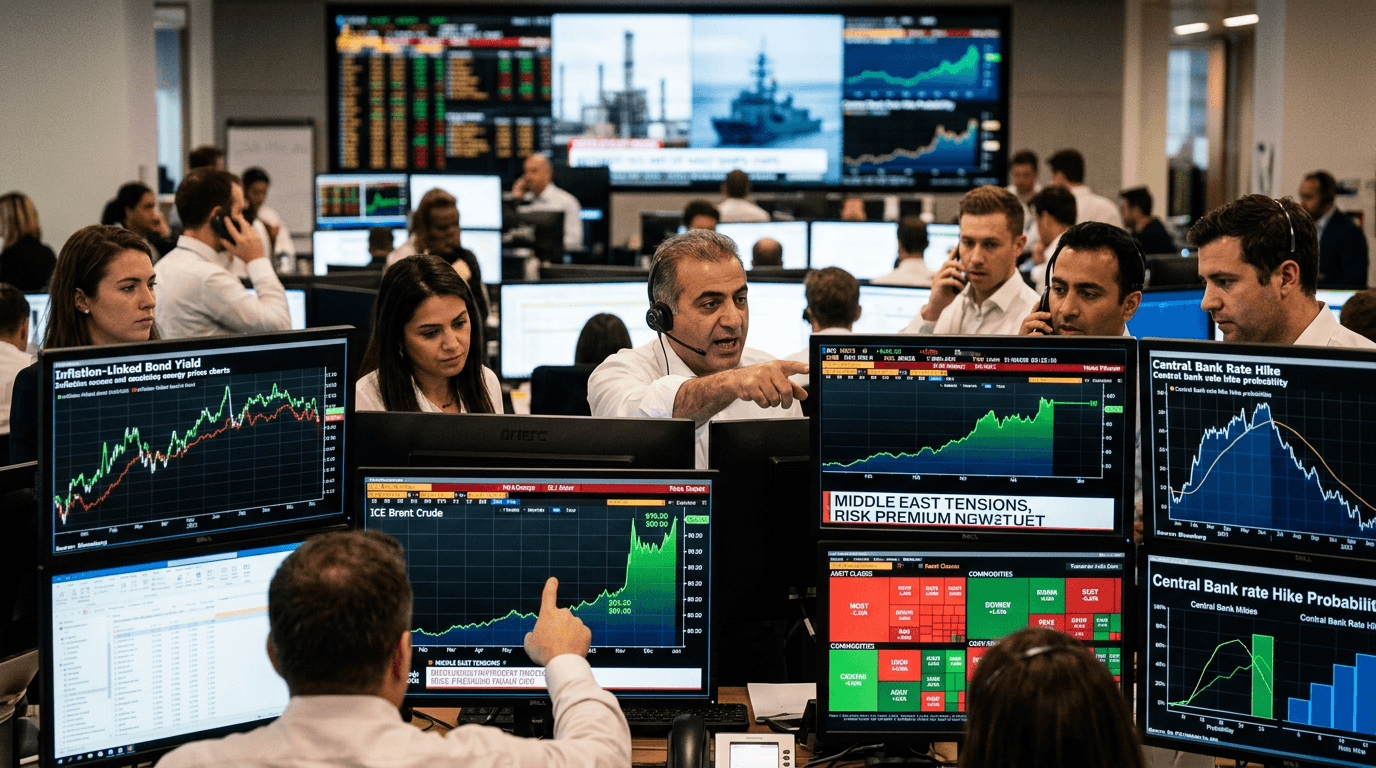
Oil futures are back in the spotlight as escalating tensions between the U.S. and Iran push crude prices sharply higher and reignite worries about inflation across global markets. For traders, this is not just another headline; it is a classic example of how geopolitics, commodities, and central bank expectations intersect to create both risk and opportunity.
What's Driving The Latest Oil Surge
Oil is one of the most sensitive assets to geopolitical risk, especially when the tension involves key producers or shipping routes. Any escalation in U.S.–Iran friction immediately raises the market’s perceived risk of supply disruptions in the broader Middle East, from production facilities to critical chokepoints like the Strait of Hormuz.
Even without an actual physical disruption, the probability of one is enough to send futures prices higher as traders price in a risk premium. Recent episodes of heightened tensions in the region have already shown how quickly crude can spike, with prices at one point surging above $114 per barrel for the first time since 2022.[1] In the latest move, Brent futures jumped roughly 5% to trade above $95 per barrel on the first trading day of June, underscoring how sensitive the market remains to any sign of instability.[2]
This risk premium is amplified by the existing supply–demand backdrop. Inventories are not excessively bloated, OPEC+ policy remains a wild card, and non-OPEC supply growth is not guaranteed to fully offset disruptions. That means geopolitical shocks fall on a relatively tight market, making price reactions sharper.
From Oil Shock To Inflation Fears
Higher oil prices do not stay confined to the energy market. They feed directly into inflation through several channels, starting with obvious items such as gasoline, diesel, and heating oil. When fuel costs rise, so do transportation and logistics expenses, which ripple into the prices of goods from groceries to manufactured products.
Central banks pay particular attention to “core” inflation (excluding food and energy), but repeated energy shocks can still seep into core through what economists call second-round effects. For example, companies facing sustained cost pressures might raise prices across their product lines, and workers may demand higher wages to offset rising living costs. This combination can make inflation more persistent even after the initial oil shock fades.
In an environment where major central banks have already battled multi-year inflation surges, an oil-driven flare-up is especially problematic. It complicates the path toward achieving inflation targets and makes policymakers more cautious about cutting rates too quickly.
Higher-for-longer Rates: The Macro Ripple Effect
When markets perceive that inflation risks are rising, they often adjust their expectations for interest rates. If investors believe oil-driven price pressures will keep inflation sticky, they are more likely to price in a “higher-for-longer” policy stance from central banks.
This shift impacts
1) Bond markets: Yields on government bonds can climb as investors demand greater compensation for inflation and the likelihood of fewer or later rate cuts. Longer-duration bonds tend to be hit hardest when rate expectations move higher.
2) Equities: Higher yields can pressure valuations, especially in growth and tech sectors that rely on future cash flows. At the same time, energy stocks often benefit from rising oil prices, creating a stark divergence within equity markets.
3) Currencies: Currencies of oil-exporting countries can strengthen on improved terms of trade, while major currencies like the U.S. dollar may move based on changing rate differentials and risk sentiment.
4) Credit and risk assets: Higher real yields and tighter financial conditions can weigh on high-yield credit, emerging markets, and speculative assets as financing costs rise and risk appetite cools.
For traders in any asset class, understanding this chain—from oil to inflation, inflation to rates, and rates to cross-asset pricing—is crucial.
What This Means For Active Traders
For futures and CFD traders, a geopolitical-driven oil rally presents both opportunity and elevated risk. Price movements can be fast, news-driven, and vulnerable to sudden reversals if tensions cool or diplomatic headlines emerge.
A few practical considerations
Position sizing becomes critical. Geopolitical events can cause intraday volatility spikes that easily exceed recent averages. Using smaller position sizes relative to usual risk can help account for wider intraday swings.
Stop-loss and take-profit levels may need adjustment. Static levels that worked in a low-volatility environment may be too tight during a geopolitical shock, leading to frequent stop-outs. At the same time, traders need clear invalidation points to avoid emotionally driven decisions.
News flow is part of the trading setup. In geopolitical markets, key catalysts are often statements, sanctions announcements, or military developments. Traders should integrate a structured news-monitoring process into their routine, rather than reacting impulsively to headlines.
Correlation awareness is essential. Oil-sensitive currencies (such as those of major exporters), energy sector indices, and even inflation-linked bonds can move in tandem with crude. Multi-asset traders can look beyond the oil chart to identify secondary opportunities—or hidden risks—in correlated markets.
Key Takeaways For Simulated And Real-world Trading
In a SimFi environment, these kinds of events are ideal live case studies for developing and testing a robust trading framework. The goal is not just to catch every move, but to understand how a macro shock propagates through markets and how your strategy performs under stress.
Useful exercises include
Scenario testing: Develop “what if” scenarios for a further escalation versus a rapid de-escalation of U.S.–Iran tensions. Map out the likely impact on oil, equities, bonds, and FX, and plan how you would respond.
Playbook building: Create a checklist for trading geopolitical events, including pre-defined rules for leverage, maximum risk per trade, and when to step back entirely if volatility becomes unmanageable.
Post-trade review: After the dust settles, review trades taken during the episode. Did you follow your plan? Were your assumptions about correlations and volatility accurate? What would you refine before the next event?
By treating each oil shock as both a trading opportunity and a learning laboratory, you build skills that carry over into calmer periods as well.
Ultimately, the latest jump in oil futures on U.S.–Iran tensions is a reminder that markets are never purely about data and models; they are also about politics, risk perception, and human behavior. Traders who can connect the dots from geopolitics to inflation, rates, and cross-asset pricing—and who can manage risk amid uncertainty—are better positioned to navigate both the turbulence and the opportunities that follow.