
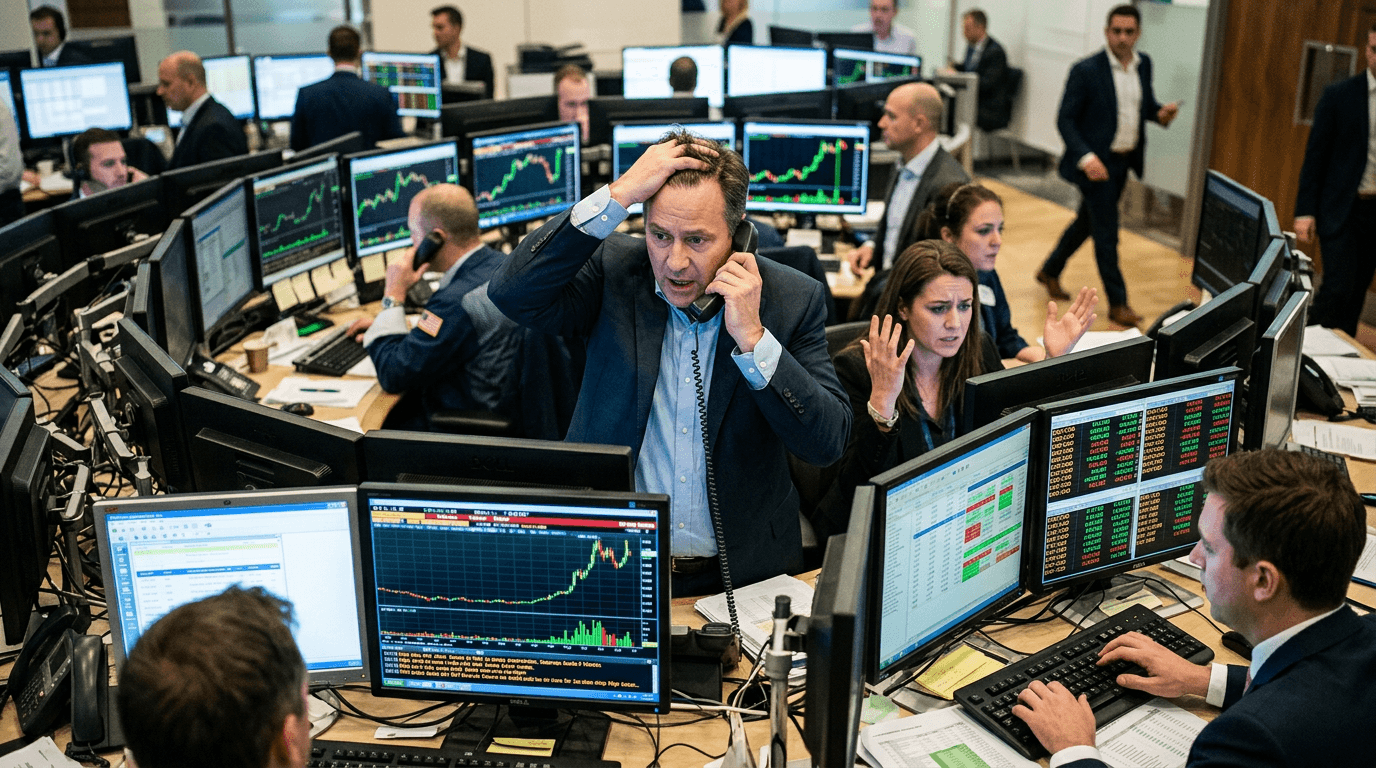
A sharp burst of geopolitical risk can hit markets like a shockwave, and that is exactly what happened when Iran‑related conflict headlines sent oil prices spiking intraday into the low‑$80s for U.S. crude and mid‑$80s for Brent. The move was brief, but it rippled quickly through energy futures and commodity‑linked currencies before partially unwinding as traders reassessed the likelihood of a U.S.–Iran understanding.
The Headline Shock: Oil Spike On Iran Conflict
When headlines point to conflict around Iran, markets immediately focus on a single choke point: the Strait of Hormuz, through which a substantial share of global seaborne crude flows. Disruptions or perceived risks in this corridor can trigger rapid repricing of oil, as seen repeatedly during recent escalations in the region[4][3].
In this episode, the initial reaction was classic “risk premium” pricing. Traders quickly marked up crude to reflect the possibility of supply interruptions, shipping delays, or sanctions, pushing West Texas Intermediate (WTI) into the low‑$80s and Brent into the mid‑$80s intraday. That move echoed earlier surges during the Iran conflict, when Brent rallied sharply on attacks near the Strait of Hormuz and broader regional tensions[4][3].
Importantly, this was not just about today’s barrels of oil, but expectations about tomorrow’s risk. Market participants were not waiting for confirmed supply losses; they were repricing the probability distribution of future outcomes, from limited disruption to a broader regional conflict.
How The Surge Filtered Through Energy Futures
The first place this risk repricing shows up is the futures curve. A sudden jump in spot prices, driven by conflict headlines, often steepens the front of the curve as nearby contracts gain more than longer‑dated ones. That reflects a short‑term scarcity premium: the market worries more about the next few months than the distant future.
During the Iran war, similar spikes saw front‑month Brent and WTI futures outperform deferred contracts as traders scrambled to hedge physical exposure and speculative flows chased the move[3][9]. In the latest intraday surge, the pattern was comparable. Near‑dated contracts in the low‑$80s attracted hedgers trying to lock in prices and traders attempting to ride momentum.
Volatility also jumped. Options markets tend to reprice implied volatility higher when geopolitical risk intensifies, particularly around the front of the curve where uncertainty is greatest. This raises the cost of hedging for refiners, airlines, and other consumers of fuel, while offering opportunities for volatility traders who specialize in event‑driven pricing.
As prices partially retraced later in the session, the curve and volatility structure adjusted again. Some of the added risk premium faded as headlines shifted toward the possibility of a U.S.–Iran understanding, highlighting how quickly futures can move from “tail‑risk panic” back to “wait‑and‑see” when the information set changes.
Fx Reaction: Commodity Currencies And Safe Havens
Oil is not just an energy market story; it is a foreign‑exchange story. Countries that export crude or are heavily exposed to energy markets see their currencies react when prices swing. An intraday surge toward the low‑$80s WTI and mid‑$80s Brent turned FX desks into another transmission channel for the Iran headline shock.
Commodity‑linked currencies such as the Canadian dollar (CAD), Norwegian krone (NOK), and, to a lesser extent, the Australian dollar (AUD), often strengthen when oil prices rise, as improved terms of trade support their export revenues. In this move, those currencies saw intraday bids as energy prices spiked, reflecting expectations of stronger cash flows and potentially better fiscal positions for oil‑exporting economies.
At the same time, “risk‑off” behavior emerged. Geopolitical shocks frequently drive demand for safe‑haven currencies like the U.S. dollar (USD), Swiss franc (CHF), and Japanese yen (JPY). Even when oil exporters benefit from higher crude prices, broad risk aversion can limit or offset gains if investors move into defensive currency positions.
Emerging‑market FX adds another layer. For oil‑importing EM countries, a jump in crude raises concerns about inflation, trade deficits, and growth, often putting pressure on their currencies. For oil‑exporters, the effect can be more positive but remains sensitive to political risk, sanctions, and credit perceptions. The net result is a complex, cross‑current reaction, where the same oil shock can simultaneously support some currencies and weigh on others.
Why The Move Partly Reversed
Perhaps the most instructive feature of this episode was not the spike, but the partial retracement. After the initial surge, prices faded from their intraday highs as markets processed reports suggesting prospects of a U.S.–Iran understanding. That shift in narrative led traders to reassess the likelihood of worst‑case supply disruptions.
This dynamic illustrates a core principle of event‑driven trading: it is not just the event itself that matters, but the evolving expectations around it. When the probability of a severe disruption is perceived to fall, the risk premium embedded in prices is reduced. Futures curves flatten, volatility eases, and FX moves moderate.
The retracement also reflected the presence of mean‑reversion and profit‑taking behavior. Short‑term traders who had bought the spike saw an opportunity to crystallize gains once it became clear that the conflict headlines were not (yet) translating into confirmed, large‑scale physical disruptions. That interplay between news flow, positioning, and liquidity is a hallmark of modern markets, especially around geopolitically sensitive assets like oil.
Practical Lessons For Traders And Simulated Finance
For traders and SimFi participants, this episode offers several practical lessons about navigating geopolitical shocks across futures and FX.
First, treat geopolitics as a cross‑asset catalyst. Oil, energy futures, commodity currencies, safe havens, and even equity indices are all linked when conflict risk flares. Watching correlations and understanding how shocks propagate across markets helps in building more robust strategies.
Second, focus on the futures curve and volatility, not just the headline price. A move into the low‑$80s WTI and mid‑$80s Brent carries different implications depending on whether it is concentrated in the front month or spread along the curve, and whether implied volatility is rising or falling. Curve shape, vol, and positioning often tell you more about market expectation than spot alone.
Third, recognize that FX moves often reflect both commodity fundamentals and broader risk sentiment. An oil exporter’s currency may rally on higher prices, but that can be muted or reversed if global investors are de‑risking due to war concerns. Understanding which force dominates at a given moment is critical.
Finally, simulated environments like those on SimFi platforms allow traders to rehearse these scenarios without capital at risk. By building and testing strategies around sudden oil spikes, curve shifts, and FX responses, traders can improve their readiness for real‑world events. Scenario analysis—such as modeling a persistent choke in the Strait of Hormuz versus a short‑lived headline scare—can sharpen both risk management and opportunity recognition.
Geopolitical shocks will continue to inject volatility into oil, futures, and FX. The key takeaway is that markets are not just reacting to current events, but constantly repricing probabilities. Traders who learn to read those probability shifts across assets stand a better chance of turning noisy headlines into structured, risk‑aware decisions.