
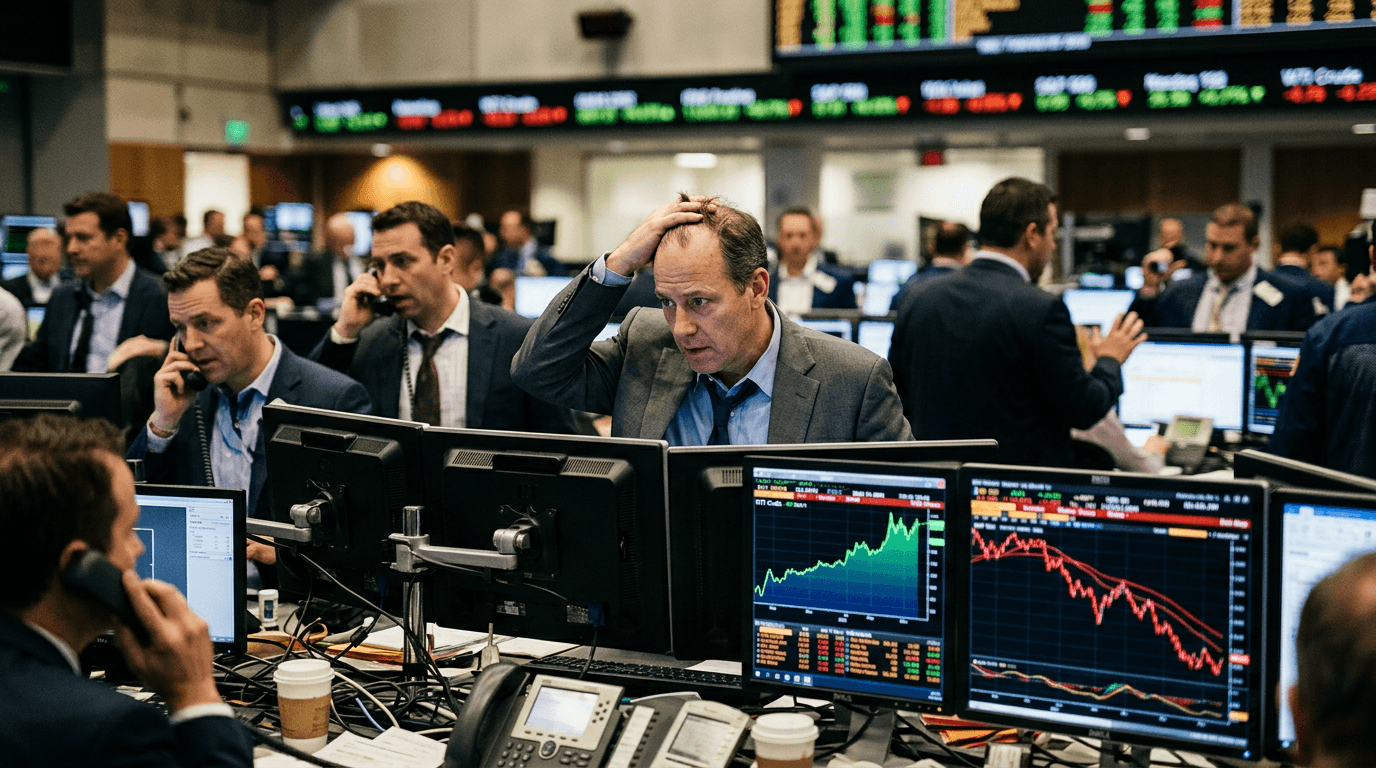
U.S. equity markets experienced significant selling pressure as geopolitical tensions in the Middle East triggered a sharp spike in crude oil prices, reigniting inflation concerns that had been gradually subsiding. The confluence of these factors created a challenging environment for investors, with major indexes posting notable losses as traders reassessed their inflation outlook and reconsidered expectations for Federal Reserve policy moving forward. This intersection of geopolitical risk, energy prices, and macroeconomic uncertainty highlights how fragile market sentiment can be when multiple headwinds converge simultaneously.
The Oil Supply Shock And Price Spike
The escalation of Middle East conflict disrupted critical energy infrastructure, with particular concern focused on the Strait of Hormuz, which handles approximately 20% of the world's crude oil supply. This strategic chokepoint's vulnerability created immediate supply concerns that rippled through global energy markets. Brent crude surged sharply while WTI climbed to multi-month highs, with traders factoring in potential production halts and transportation disruptions that could persist if regional tensions continued to escalate.
Historical precedent suggested that Middle East military conflicts do not typically cause sustained long-term market declines. However, the extended nature of the current situation combined with genuine concerns about oil transport disruptions created a different calculus for investors. The speed and magnitude of the oil price increase sparked fears that energy costs could remain elevated for an extended period, directly translating into higher expenses for consumers and corporations alike. Gasoline prices at the pump rose sharply, with the national average jumping significantly within just weeks, signaling to consumers that energy inflation was becoming a tangible reality rather than a theoretical concern.
Market Reaction And Technical Breakdown
The stock market's response was swift and broadly negative. The S&P 500 closed below its 100-day moving average for the first time since late November, a technical signal that concerned many professional traders accustomed to reading such indicators. The index posted a loss of approximately 65 points, or 0.94%, while the Nasdaq Composite fell roughly 1.00% and the Dow Jones Industrial Average declined 0.82%. These declines came despite the market clawing back from larger intraday losses exceeding 2%, demonstrating the volatility and uncertainty permeating trading floors.
The selling pressure was broad-based across sectors, though materials experienced the most significant weakness given their cyclical sensitivity to inflation and economic growth concerns. The Cboe Volatility Index rose accordingly, reflecting elevated uncertainty among investors navigating an unexpected inflation catalyst. Individual equity weakness appeared in unexpected places too, with Blackstone's credit fund BCRED experiencing a surge in redemption requests as investors sought safer positioning or cash to deploy elsewhere during market dislocations.
Inflation Concerns Resurface
Perhaps the most significant market impact stemmed from the sudden re-emergence of inflation as an urgent concern. Prior to the Middle East escalation, inflation progress had been encouraging, with cooling price pressures supporting the view that the Federal Reserve would eventually lower interest rates. However, a spike in energy prices threatens to disrupt this narrative. Energy and crude oil remain among the most influential components of inflation calculations, and sustained higher oil prices inevitably feed through into broader consumer and producer price indexes.
Market participants reassessed their inflation forecasts, with some analysts suggesting that a prolonged conflict could push U.S. inflation above 4% by year-end if oil prices remained elevated or climbed further. This inflation resurgence immediately altered expectations for Federal Reserve policy. Investors who had anticipated a rate cut in July began pushing their expectations back to September or later, acknowledging that policymakers would need to observe how energy shocks propagated through the economy before confirming an easing cycle.
The U.S. 10-year Treasury yield jumped to one-week highs as the bond market repriced for delayed rate cuts and potentially stickier inflation. This dynamic creates a challenging environment for equities, as higher real interest rates make stocks less attractive relative to bonds and other fixed-income assets.
Key Takeaways For Investors
Recognizing the intricate relationship between energy prices, inflation, and monetary policy remains essential for navigating volatile markets. Geopolitical risk remains a genuine threat to portfolio stability and deserves appropriate attention in asset allocation decisions. Investors should consider whether their positions adequately reflect the possibility of sustained energy price elevation and its transmission through global supply chains into consumer prices.
This episode underscores the importance of maintaining portfolio resilience during periods of elevated uncertainty. Diversification across asset classes and sectors becomes especially valuable when unexpected shocks disrupt established market narratives.
Looking Ahead
The trajectory of Middle East tensions will likely dictate near-term market direction, with oil prices serving as a critical barometer for inflation expectations. How central banks respond to any sustained inflation reacceleration will determine whether this represents a temporary market correction or the beginning of a more persistent repricing of growth and rate expectations. Investors should remain vigilant, flexible, and prepared to adjust their outlook as new information emerges regarding both the geopolitical situation and its inflation implications.