
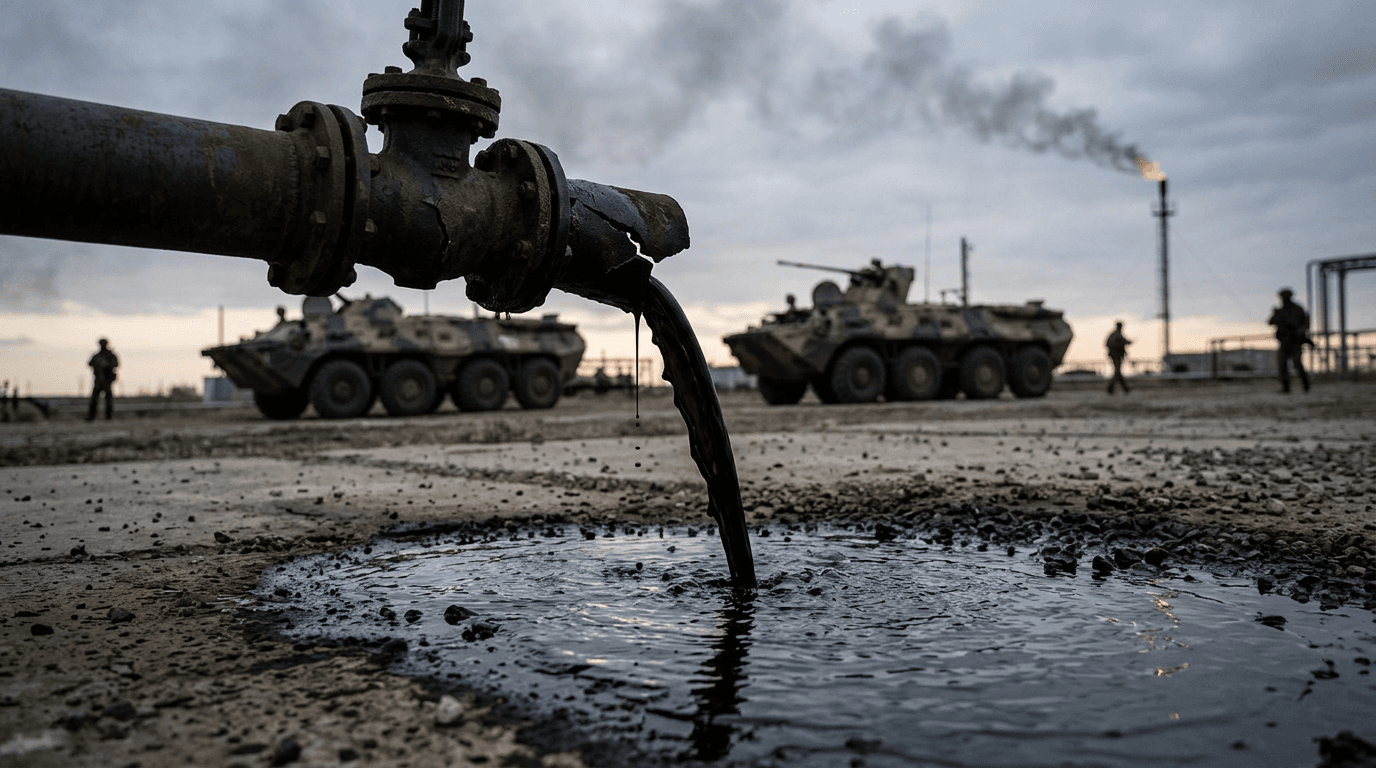
The energy markets are sending an unmistakable message: geopolitical tensions have the power to swiftly and significantly impact prices. West Texas Intermediate crude has surged nearly 9% to reach $81.64 per barrel—its highest level since the summer of 2024—while Brent crude has risen to $85.85. This spike is a direct result of escalating military tensions between the United States and Iran. For traders and investors observing these developments, grasping the underlying factors driving this surge is crucial for navigating a volatile investment landscape where traditional supply-and-demand models must now accommodate geopolitical conflicts and strategic chokepoints.
The Anatomy Of A Supply Shock
This situation is far from a typical market fluctuation driven by algorithmic trading or speculative frenzy. It represents a true supply crisis rooted in concrete geopolitical conflict. U.S. airstrikes against Iran, now in their second week, have heightened military tensions to unprecedented levels. In retaliation, Iranian forces have targeted key oil infrastructure and vessels in critical shipping lanes, transforming abstract military confrontations into tangible economic disruptions.
The most immediate threat revolves around the Strait of Hormuz, a narrow passage through which about 20% of the world's daily oil transits. This strategic chokepoint is irreplaceable—there is no quick alternative route to redirect the vast volume of crude that typically flows through these waters. When a nation controls this passage and is willing to disrupt it, the global energy market must reprice accordingly. This disruption accounts for a 10% reduction in available global supply, as U.S. and Iranian military actions have collectively removed an estimated 10 to 11 million barrels per day from circulation in a market that trades around 100 million barrels daily.
Cascading Market Consequences
The surge in crude prices has quickly translated into real-world impacts for consumers and market participants. Average gasoline prices have risen to $3.25 per gallon, marking a sharp 9% increase from $2.98 just one week earlier. By mid-March, prices had escalated to $3.58 per gallon—a 60-cent rise within a single month. In the most affected regions, consumers now face prices exceeding $4 per gallon, levels not seen since August 2022. These figures are not merely theoretical; they represent actual cash outlays at the pump that directly affect consumer spending patterns and business logistics costs.
The stock market has already begun to reflect these pressures. U.S. equities have weakened as oil prices have surged, with traders factoring in dual stagflationary risks: rising energy costs coupled with a potential economic slowdown as consumers curtail discretionary spending. Concerns about energy-driven inflation have also dampened market expectations for Federal Reserve rate cuts, creating a challenging environment where rising costs clash with constrained monetary policy accommodation.
Signals From The Physical Market
What sets this episode apart from mere price speculation is the severe stress evident in the physical crude oil market. Asian refiners, facing acute supply shortages, are forced to pay record premiums for alternative crude sources. For instance, Norwegian Johan Sverdrup crude is trading at a premium of $11.80 per barrel over Brent crude—a dramatic spread that underscores the desperation of buyers attempting to secure actual barrels of oil in a constrained market. These premiums reflect real cash payments for real barrels, not theoretical market positioning.
Critical Indicators To Monitor
Traders and investors navigating this volatile environment should focus on several critical indicators. First, closely monitor the status of the Strait of Hormuz; any developments regarding shipping lane access or diplomatic resolutions could dramatically reshape the market outlook. Second, track premium spreads between benchmark crude and alternative supplies; narrowing premiums would signal improving logistics and reduced emergency conditions. Third, observe gasoline prices and consumer spending data for signs that demand destruction is beginning to offset supply concerns. Sustained elevated prices eventually curb consumption as consumers moderate driving and businesses cut back on logistics operations.
Additionally, stay informed about OPEC policy decisions and announcements regarding reserve capacity. Any indication that strategic petroleum reserves might enter the market or that spare production capacity is being activated could exert downward pressure on prices. These policy interventions, combined with diplomatic progress, represent the most likely avenues for price relief.
The Path Forward
The 9% surge in oil prices to $81.64 marks a pivotal moment where geopolitical realities directly influence market dynamics in real-time. Historical precedent suggests that significant oil price spikes often lead to broader market corrections, yet the potential for rapid diplomatic resolution remains genuine. The key for traders and investors is maintaining flexibility while staying rigorously informed about military developments, diplomatic progress, and supply chain adjustments. This situation underscores a fundamental market truth: geopolitical risk reshapes investment outlooks and consumer wallets with remarkable speed.