
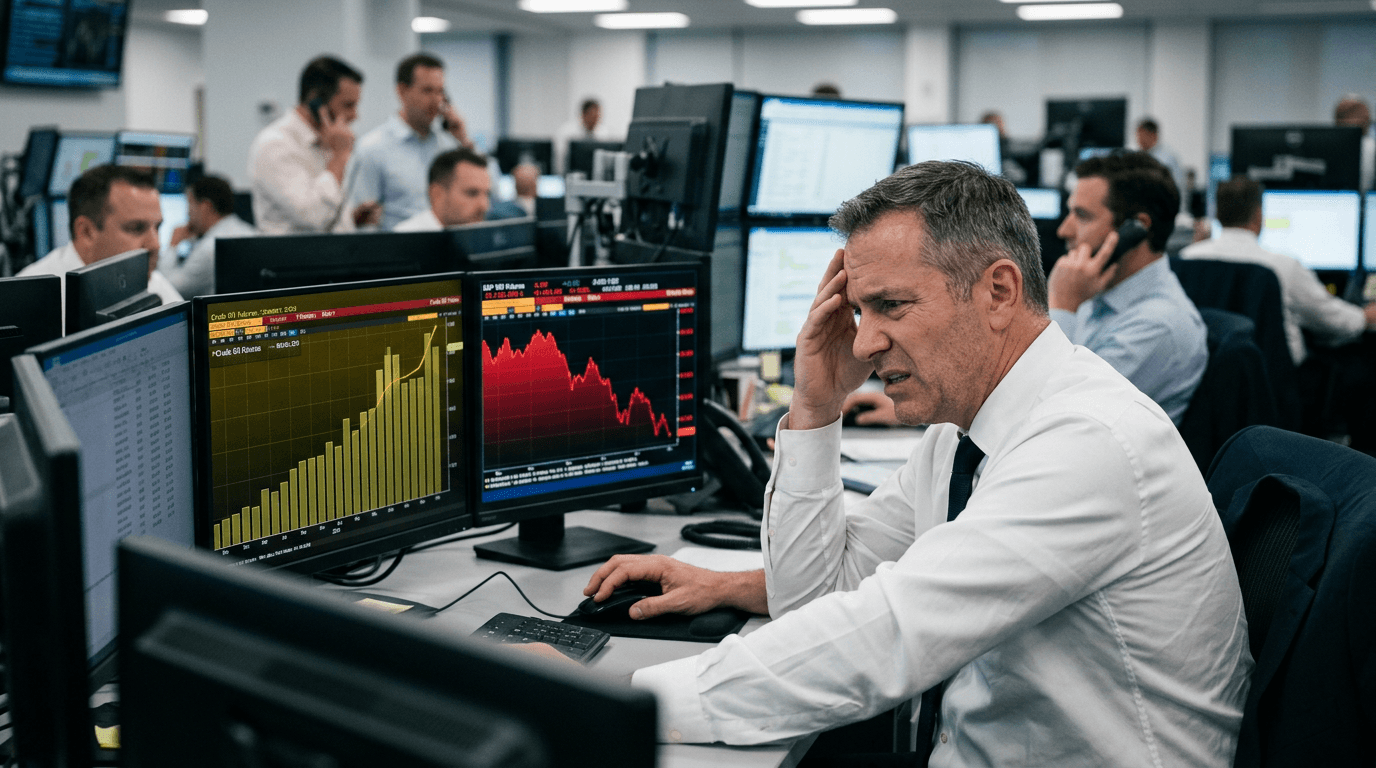
The relationship between geopolitical tensions and market movements remains one of the most powerful forces shaping trader behavior. On a day when headlines screamed of escalating Iran conflict, the dynamics played out exactly as historical patterns would predict: stocks retreated from recent highs while energy commodities surged aggressively. This intraday divergence tells a crucial story about how markets price in uncertainty and risk, and what it means for investors navigating the current environment.
Geopolitical Pressure And Oil Dynamics
When tensions between major powers intensify, oil markets react with immediacy and intensity. Today's rally in crude prices exemplifies this reaction. Brent crude surged to $85.85 per barrel, its highest level since summer 2024, while West Texas Intermediate crude jumped 9% to $81.64. This isn't random market noise. The Strait of Hormuz, through which roughly one-third of global seaborne oil transits, sits directly in the crosshairs of US-Iran tensions. Any real or perceived threat to this critical chokepoint sends shockwaves through energy markets worldwide.
What's particularly significant about today's move is the speed and magnitude. A 9% single-day surge in oil prices isn't routine. It reflects genuine concern among traders that supply disruptions could materialize. History provides sobering context. During previous regional conflicts, oil prices spiked dramatically when supply routes faced disruption. More recently, targeted attacks on energy infrastructure sent crude soaring by substantial percentages in single trading sessions. Today's move reflects measured concern rather than panic, but the direction is unmistakable and signals serious geopolitical risk premium entering energy markets.
The Stock Market Reckoning
Equity markets responded as they typically do to rising energy prices paired with geopolitical uncertainty. The S&P 500 and Nasdaq both declined as investors rotated away from riskier assets and into safer havens. This pullback from record highs signals a shift in market psychology. For weeks, tech stocks and AI-related plays had dominated headlines and investor attention. Suddenly, reality intruded in the form of external political risk that no algorithm can fully predict or price.
The magnitude of today's stock selloff reflects several interconnected concerns. First, rising oil prices threaten corporate profit margins, particularly for airlines, shipping companies, and manufacturers dependent on petroleum derivatives. Airlines already operate on razor-thin margins; a ten-dollar swing in oil prices can represent millions in unexpected costs. Second, when energy prices spike, the risk of persistent inflation re-emerges, potentially complicating the Federal Reserve's interest rate trajectory. That uncertainty alone is enough to spook equity investors who had priced in multiple rate cuts later this year.
Inflation And Recession Concerns
The broader market concern lurking beneath today's surface tension involves the inflation implications of elevated oil prices. We've seen this movie before. Recent inflation cycles were partly driven by elevated energy costs following geopolitical disruptions. If Iran conflict tensions persist or escalate, similar dynamics could unfold. Every dollar per barrel increase adds approximately 1.3 billion dollars to annual US energy import costs, ultimately flowing through to consumers and corporations.
Futures markets priced in these concerns explicitly. Inflation expectations ticked higher in early trading, and recession probability models showed increased tail risk. Why? Because stagflation scenarios are the nightmare scenario for stock investors. Rising inflation paired with slowing growth creates a toxic environment where central banks face impossible choices between fighting inflation or supporting growth. Today's market reaction suggests traders believe we're moving closer to that scenario, not further away.
The economic data matters here. US consumer prices and producer prices remain elevated relative to historical norms. An energy shock now, when inflation remains above comfortable levels, poses material risks to the economic outlook. If oil stays elevated, consumers face higher gas prices and transportation costs, potentially crimping discretionary spending just as the economy shows signs of moderation. This creates a vicious cycle that equity markets fear greatly.
What This Means For Traders
For traders participating in simulated finance environments, today's environment presents both challenges and opportunities. Energy sector positions look increasingly attractive on a risk-reward basis, particularly positions that benefit from elevated commodity prices. Conversely, defensively positioned traders should recognize that volatility likely persists until Iran tensions resolve more clearly. The recent winning streak in equity indices ended precisely because markets hate geopolitical uncertainty.
Key metrics to monitor include oil's trajectory toward critical price levels, the VIX volatility index, and Federal Reserve communications regarding interest rate cuts. Each of these will influence near-term market direction. Traders should also watch emerging market currencies that depend on stable oil prices and commodity exporters that benefit from energy price spikes.
Navigating Forward
Markets don't move in straight lines, and today's selloff doesn't necessarily signal a sustained bear market. What it does signal is that complacency has been replaced by vigilance. Traders who acknowledge geopolitical risk, maintain balanced portfolios, and avoid overconcentration in any single narrative will be best positioned when tensions eventually resolve. The current environment rewards flexibility and attention to macro dynamics.