
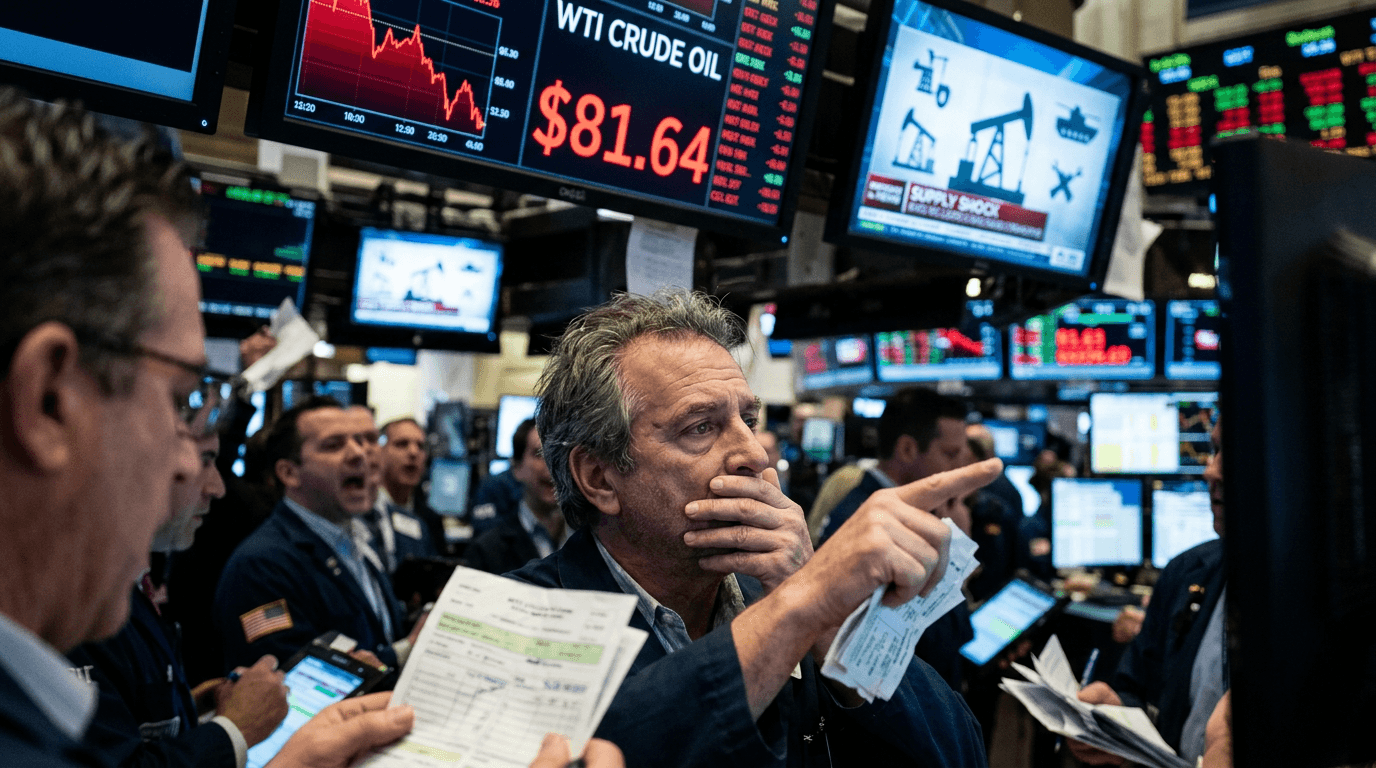
The global oil market is experiencing one of its most significant disruptions in years as crude prices surge 9% to $81.64 per barrel, reaching the highest level since summer 2024. This dramatic price spike reflects a genuine supply shock rather than speculative trading—military tensions between the United States and Iran have escalated into active conflict, directly threatening critical energy infrastructure and vital shipping routes. With Brent crude climbing to $85.85 per barrel simultaneously, the energy crisis is reshaping economic forecasts throughout 2026 and demanding immediate attention from traders, investors, and market participants worldwide.
The Geopolitical Catalyst Behind The Surge
The current oil price surge stems directly from escalating military actions in the Middle East that have transformed from conventional warfare into economic conflict centered on energy resources. U.S. airstrikes on Iranian targets have persisted into their second week, maintaining an environment of heightened alert throughout global energy markets. In response, Iranian forces have targeted essential oil facilities and vessels operating in strategic shipping lanes, effectively weaponizing energy supply as a form of economic warfare.
The most critical flashpoint is the Strait of Hormuz, a strategic chokepoint responsible for approximately 20% of global oil supply. Iran's effective blockade of this waterway has halted tanker traffic and created unprecedented disruption in one of the world's most important energy corridors. This is not mere speculation or algorithmic trading—it represents tangible infrastructure damage with real consequences for global energy supply. Analysts estimate that military actions have removed 10 to 11 million barrels per day from global markets, a significant volume in a system that trades roughly 100 million barrels daily.
Understanding The Supply Shock Dynamic
Unlike previous oil price spikes driven primarily by speculation or temporary market jitters, the current surge reflects a verified and immediate supply crisis. The damage to physical infrastructure, closure of critical export terminals, and halted shipping through the Strait of Hormuz create genuine scarcity in the global energy system. This fundamental supply disruption cannot be quickly resolved through increased production elsewhere or algorithmic corrections.
The magnitude of the disruption explains why oil reached $81.64 so rapidly. When genuine supply constraints tighten in an inelastic commodity market, prices respond sharply because the system cannot instantly substitute lost barrels. Refineries dependent on Middle Eastern crude must either bid higher for alternative sources, draw from strategic reserves, or reduce output. Each option carries cascading economic consequences that ripple through the broader financial system.
For traders, this supply shock represents a new trading regime where previous support levels established during calm market periods may no longer be relevant. The $81.64 level may mark not a temporary spike but a new floor where $75 to $85 per barrel becomes the trading range, with risks skewed toward further upside if military tensions intensify or infrastructure damage accelerates.
Ripple Effects On Stocks And Inflation
The oil surge is already weighing on equity markets as investors reassess inflation outlooks and corporate profitability margins. Energy-intensive sectors face immediate margin compression as operational costs rise, while consumer-focused businesses confront higher transportation and supply chain expenses. The cascade of higher energy costs translating into inflation reduces the likelihood of Federal Reserve rate cuts, a factor that pressures growth-dependent equities and technology stocks.
Gasoline prices have already surged above $3.25 per gallon in many regions, translating the wholesale oil shock into consumer-facing reality. This retail price increase directly impacts discretionary spending behavior and reduces purchasing power across the economy. For corporate earnings forecasts, energy inflation represents a headwind that could suppress profit growth throughout 2026 unless companies successfully pass costs to consumers.
The inflation implications create a difficult environment for portfolio managers. Traditional hedges like bonds offer limited protection as rising energy costs support inflation expectations. Simultaneously, commodity-heavy equities face demand destruction as consumers and businesses cut spending in response to higher energy costs. This dynamic underscores why energy price shocks create such widespread market disruption.
Actionable Insights For Traders And Investors
Monitor diplomatic developments closely as the primary driver of near-term oil price direction. Any escalation in military conflict could push prices substantially higher, while credible de-escalation talks could trigger sharp reversals. The current $81.64 level should be treated as a dynamic support floor rather than a ceiling, with technical analysis needing recalibration given the geopolitical environment.
Consider increasing portfolio weight in inflation-hedging strategies, including consumer staples with pricing power and commodities less correlated to the energy crisis. Energy infrastructure companies and pipeline operators may offer attractive risk-adjusted returns if military conflict stabilizes at current levels.
For SimFi traders, the increased volatility in oil markets creates both opportunity and risk. The supply shock has created a genuine pricing dislocation rather than a speculative bubble, suggesting sustained elevated prices if geopolitical tension persists. Position sizing becomes critical in this environment where fundamental supply constraints support prices but military developments introduce tail risk.
The Path Forward
This oil surge represents a genuine economic shock with consequences extending throughout 2026. Unlike previous temporary disruptions, the Strait of Hormuz blockade and infrastructure damage create persistent supply tightness. Traders should treat $81.64 as an inflection point requiring active portfolio management and heightened attention to geopolitical risk factors that increasingly drive commodity markets.