
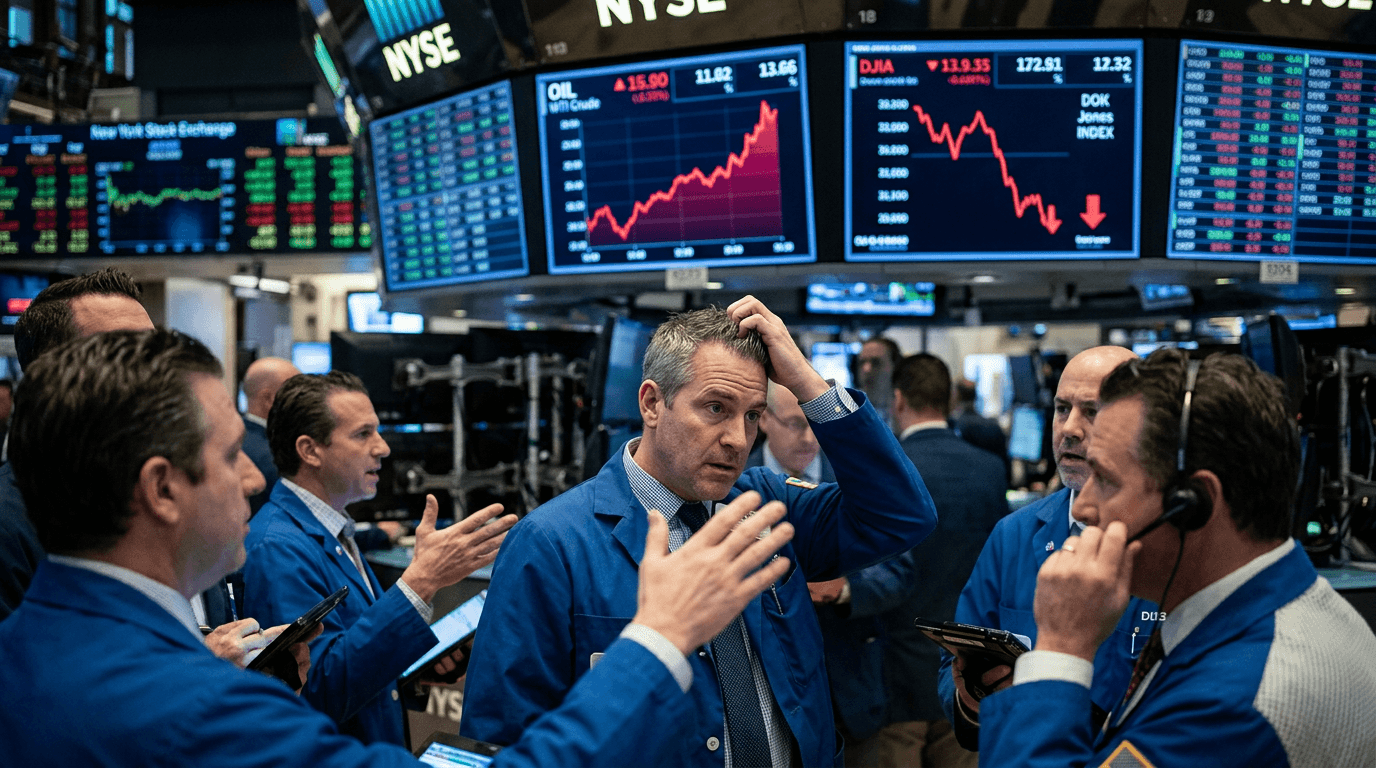
Energy markets experienced significant volatility Thursday afternoon as geopolitical tensions between the United States and Iran escalated, triggering a sharp rally in crude oil prices. West Texas Intermediate crude surged 9% to reach $81.64 per barrel, marking its highest level since summer 2024, while Brent crude climbed to $85.85. The dramatic move underscores how quickly political developments in the Middle East can translate into tangible market impacts for energy traders and broader financial markets.
The Immediate Market Reaction
The 9% surge in WTI crude represents one of the most significant single-day moves we've seen in the oil complex during 2026. This level of movement doesn't happen by accident or routine market mechanics. When crude jumps this sharply in an afternoon session, it signals that participants are pricing in a material change in the risk landscape. The Strait of Hormuz, which carries approximately one-fifth of the world's global oil supply, remains a critical chokepoint that traders monitor obsessively.
What makes Thursday's move particularly noteworthy is the speed at which prices moved higher. Rather than a gradual climb, crude executed a sharp rally, suggesting that late-day headlines or developments caught parts of the market off guard. For day traders and swing traders managing positions in crude futures, this type of volatility creates both opportunity and risk. Those positioned long before the move captured profits, while shorts faced margin pressure and forced liquidations.
Broader Market Contagion
Beyond energy markets, the US stock indices experienced significant declines as crude prices climbed. This negative correlation between equity valuations and energy prices reflects investor concerns about the macroeconomic implications of higher oil costs. When crude rises sharply due to geopolitical concerns rather than demand strength, it typically signals stagflationary pressure—rising inflation without corresponding economic growth.
The cascade effect extends beyond just stock prices. Higher oil costs flow through to transportation, manufacturing, and consumer goods. Airlines face elevated fuel surcharges. Shipping costs increase. Food prices move higher as agricultural producers confront higher energy inputs. Each of these developments suppresses consumer purchasing power and creates headwinds for corporate profit margins. This is why institutional investors tend to sell equities when geopolitical oil shocks occur—the fundamental math becomes less attractive across multiple sectors.
The Geopolitical Context
The US-Iran tensions driving Thursday's move represent an escalation of a broader conflict that has been simmering throughout 2026. Earlier in March, the closure of the Strait of Hormuz caused Brent crude to surge past $120 per barrel, creating what the International Energy Agency characterized as the largest supply disruption in global oil market history. While prices have moderated from those extreme levels, the underlying tensions remain unresolved.
What traders need to understand is that this conflict carries unique characteristics compared to other geopolitical oil disruptions. The Strait of Hormuz's geographic importance means that any meaningful interference with shipping through this chokepoint immediately translates into supply concerns. The fact that oil prices have been range-bound between $80-$100 since early May suggests the market is pricing in a middle scenario where tensions persist but a complete blockade remains unlikely.
Implications For Traders And Investors
For active traders, Thursday's 9% move presents important lessons about risk management and position sizing. Geopolitical events can create gaps in market prices that technical analysis alone cannot predict. While fundamental analysis and chart patterns matter, black swan events demand respect for position discipline and appropriate stop-loss placement.
The current environment also highlights the value of diversification. Investors exposed solely to equities face significant drawdowns during these episodes. Those with commodity exposure or energy sector allocations may partially offset broader portfolio losses, though the dynamic varies based on specific holdings. Physical commodity ownership and energy infrastructure investments often provide different return profiles than equity markets during supply shock events.
What Comes Next
The key question now is whether Thursday's surge represents the beginning of another leg higher or a temporary spike within a range. Traders should monitor several critical factors: any official statements from CENTCOM or the Iranian government, shipping incidents in the Strait of Hormuz, and production data from regional suppliers. Additionally, watch for comments from OPEC regarding potential supply adjustments.
From a technical standpoint, WTI's break above the $81 level eliminates a key resistance zone. The question becomes whether crude can sustain these elevated levels or if this represents another temporary spike. Historical precedent suggests that supply disruptions priced in at this magnitude tend to remain elevated unless concrete diplomatic breakthroughs emerge.
The Takeaway
Thursday's 9% oil surge and subsequent equity weakness reminds us that geopolitical risks remain a fundamental driver of financial markets. Energy markets connect directly to global economics, and disruptions in critical shipping lanes ripple across multiple asset classes. For traders managing positions in 2026's increasingly volatile environment, maintaining situational awareness of Middle East developments isn't optional—it's essential. Those who anticipate these moves profit substantially, while those caught unprepared face significant losses.