
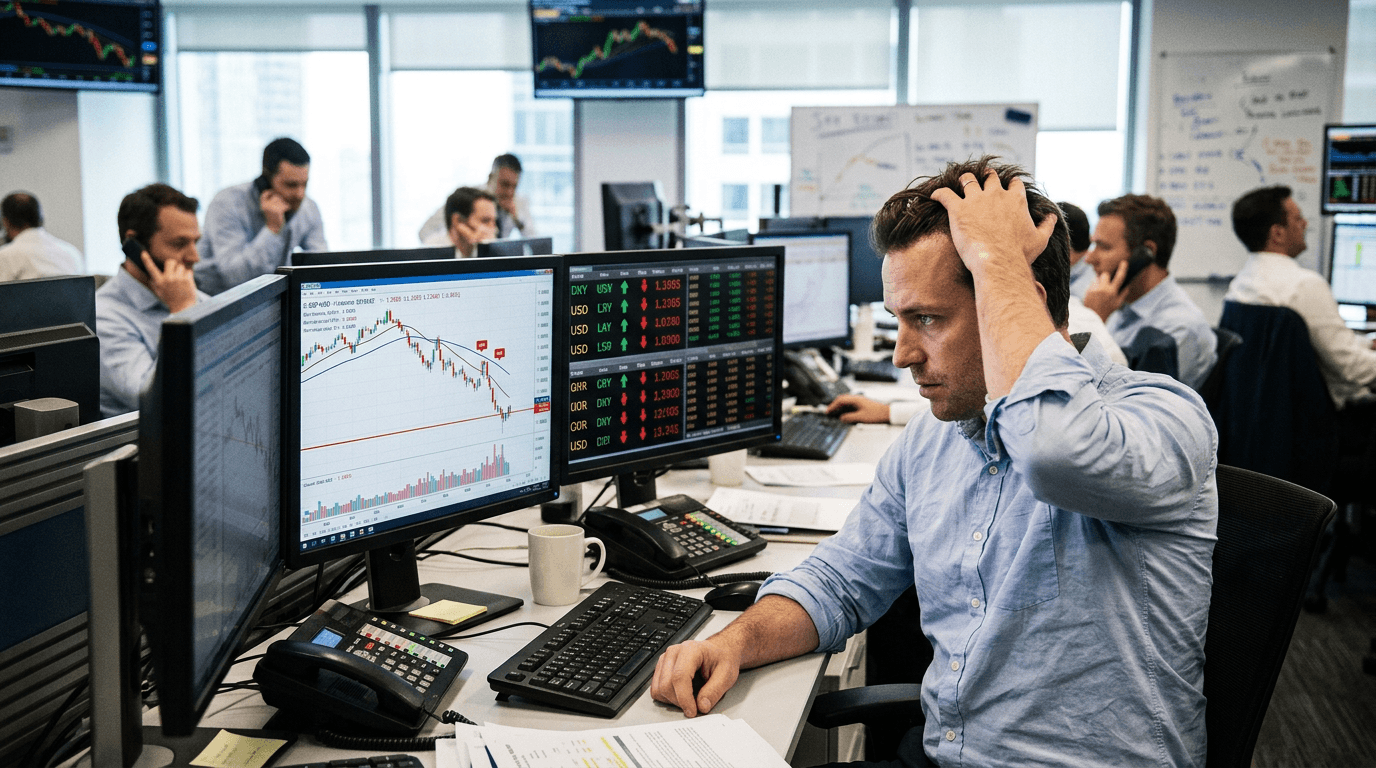
Ceasefire Turbulence: Pound Faces Pressure as Dollar Gains Amid Geopolitical Uncertainty
The recent ceasefire declared between the United States and Iran on April 8, 2026, initially sent ripples through currency markets, sparking a wave of optimism as investors pivoted toward risk assets and moved away from safe-haven currencies. Yet, this initial burst of confidence soon turned to caution as the ceasefire's tenuous nature surfaced, with mounting military tensions threatening the fragile two-week negotiation window. For traders closely watching the GBP/USD and broader currency markets, this evolving geopolitical landscape offers both opportunities and significant risks, particularly as the pound struggles against a fortified US dollar.
Ceasefire Announcement: A Wave of Market Enthusiasm
When President Trump declared the two-week ceasefire to negotiate terms with Iran, mere hours shy of his ultimatum for Tehran to reopen the Strait of Hormuz, markets reacted with palpable enthusiasm. The dollar dipped to its lowest point in a month against a basket of major currencies, while riskier assets surged globally. The euro climbed 0.54% to $1.1696, the British pound rose 0.78% to $1.3395, and typically risk-on currencies like the Australian and New Zealand dollars strengthened significantly. This immediate reaction underscored market expectations that the Trump administration was eager to extricate the United States from a costly conflict jeopardizing global oil supplies and economic stability.
The rationale for this initial response was clear: a reduction in geopolitical tensions would likely lead to lower oil prices, bolster equity markets, and prompt investors to shift capital from defensive assets like the US dollar to higher-yielding opportunities. Analysts observed that the currencies benefiting most were the traditionally pro-cyclical ones, such as the Swedish krone and the Australian dollar, indicating traders were positioning for a genuine risk-on environment.
Ceasefire Fragility Exposed
However, the narrative changed dramatically within hours of the announcement. Iran's strikes on Gulf neighbors' oil facilities and Israel's extensive attacks on Lebanon quickly revealed the ceasefire's inherent fragility. The dollar rebounded from earlier lows as safe-haven demand returned, setting a pattern that would define subsequent market behavior. This reversal highlighted a vital reality for forex traders: the ceasefire's sustainability was highly questionable, with either side potentially able to declare violations and resume hostilities at any moment.
Challenges surrounding the ceasefire extended beyond immediate military actions. While Trump insisted the ceasefire depended on Iran "reopening" the Strait of Hormuz, Iranian sources countered that only 10-20 ships would be allowed through daily, compared to pre-conflict traffic of over 100 ships. Additionally, Iran's demand for tolls on this limited traffic raised doubts about whether the anticipated economic benefits would materialize. Normalizing traffic through the strait remained a crucial prerequisite for averting extensive further damage to the global economy.
Pound Sterling's Struggle Amid Dollar Strength
Despite initial strength in GBP/USD, briefly testing levels around $1.3395, the pound's performance deteriorated as dollar demand increased due to persistent Middle East tensions. The currency pair consolidated around 1.3400-1.3365 levels as doubts about ceasefire sustainability weighed on risk sentiment. Sterling traded with a softer tone, losing ground as investors hesitated to fully commit to risk assets.
This weakness in the pound mirrored a broader pattern in forex markets, where safe-haven flows continued to support the US dollar despite the ceasefire announcement. Reduced safe-haven demand never fully materialized, as market participants remained unconvinced that the underlying risks had been adequately addressed. The dollar index, which measures the greenback's performance against a basket of six currencies, actually rose to 99.077, suggesting that concerns about geopolitical tensions outweighed relief from the ceasefire announcement.
What Traders Should Watch Moving Forward
For forex traders, the key takeaway is that this ceasefire is a temporary pause rather than a resolution to underlying geopolitical tensions. Market analysts suggest the economic fallout from the conflict is closer to the beginning than the end, with global growth likely to be weaker and inflation higher over the coming months and quarters. This outlook implies the dollar may not significantly decline in the short term, despite the ceasefire, as uncertainty about the conflict's ultimate trajectory persists.
The US Non-Farm Payroll data represents another crucial catalyst for GBP/USD, particularly given the heightened backdrop of geopolitical uncertainty. Any economic data suggesting US resilience could further bolster dollar strength, while weaker-than-expected readings might allow the pound to recover ground. Traders should stay alert for any headlines suggesting a breakdown in ceasefire terms, which could quickly reignite safe-haven demand and pressure sterling.
The delicate nature of the ceasefire suggests that currency markets will likely remain volatile until either the truce holds for an extended period or hostilities resume. Managing risk exposure during this period is essential, as headline-driven moves can occur with little warning.