
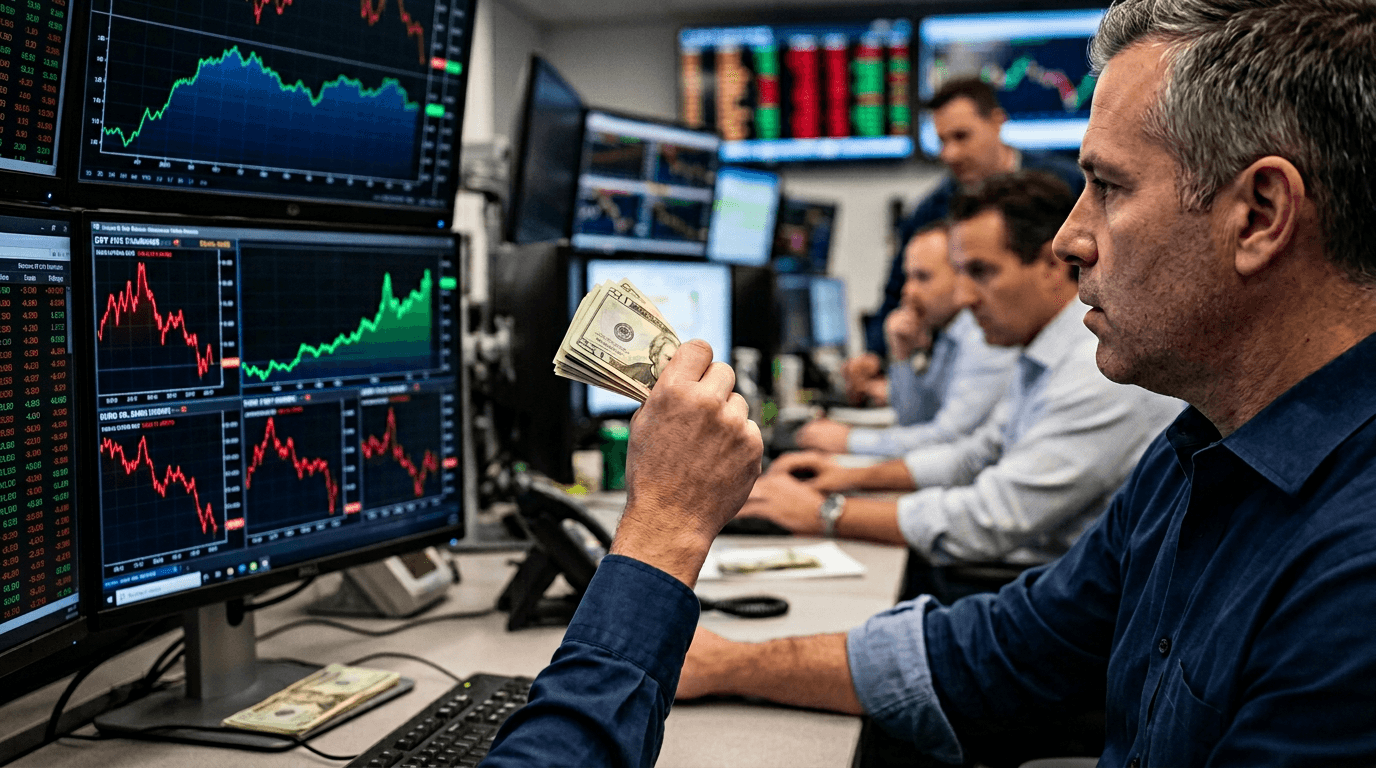
Geopolitical upheaval in the Middle East has triggered one of the strongest safe-haven rallies for the US dollar in recent years, with the currency posting its best weekly performance since 2022 as investors worldwide scramble to preserve capital amid escalating tensions. The death of Iran's Supreme Leader Ayatollah Ali Khamenei and the subsequent launch of Operation Epic Fury—a joint US-Israeli military offensive against Iran in late February—have fundamentally shifted currency market dynamics, sending the dollar index surging to multi-month highs while traditional reserve currencies like the euro and yen stumble under the weight of energy security concerns.
The Mechanics Of Safe-haven Demand
When geopolitical risk spikes, currency markets respond with remarkable speed and precision. The US dollar benefits from a confluence of structural advantages that make it the world's preferred liquidity vehicle during periods of uncertainty. The greenback's deep, highly liquid funding markets provide investors with efficient channels to preserve capital and manage short-term liquidity needs—a critical advantage when market participants shift into defensive positioning. As demand for immediate liquidity surged during the recent escalation, the dollar index climbed substantially, reflecting a broader reallocation of global capital toward cash preservation and away from currencies perceived as more vulnerable to regional instability.
The dollar's dominance in this environment stems from its unique position within the global financial system. The United States controls the world's deepest capital markets, maintains a reserve currency status unmatched by any competitor, and plays a central role in international trade and financial transactions. When investors need liquidity quickly, the dollar offers the most efficient conduit. This structural reality becomes especially pronounced when geopolitical risk threatens energy supply routes or elevates energy costs, precisely the scenario unfolding across markets today.
Energy Dependency As A Currency Pressure Point
The divergence in currency performance reveals a harsh market reality: energy importers face significantly more complicated macroeconomic backdrops when geopolitical tensions escalate. The euro and Japanese yen, both currencies of major oil-importing economies, have experienced substantial depreciation as traders reassess the resilience of nations dependent on imported energy. Europe and Japan, facing far greater exposure to energy supply disruptions and cost increases than the United States, have seen their currencies pressured as investors anticipate deteriorating external balances and rising input costs for their domestic economies.
In contrast, the United States enters this crisis from a position of relative strength. As a net energy exporter with substantial domestic energy production capabilities, America faces fundamentally different energy security dynamics than its peers. This asymmetry translates directly into currency performance. Investors recognize that sustained US energy independence insulates American financial markets from the immediate energy security concerns that plague other developed economies, and the dollar's resilience reflects this structural advantage. The strength differential between the dollar and competing currencies captures the market's sophisticated assessment of which economies can best absorb energy price shocks.
Interest Rate Expectations And Monetary Policy Implications
Beyond safe-haven demand, the escalating conflict has triggered significant repricing in monetary policy expectations. Higher oil prices threaten to elevate consumer inflation, particularly for energy-dependent economies, forcing policymakers to exercise greater caution about cutting interest rates. Market pricing in the Federal Reserve funds futures market has shifted materially, with rate cuts now fully priced in only through September 2026 rather than July, and expectations for two consecutive 25-basis-point cuts by year-end have diminished substantially.
This repricing creates a powerful tailwind for dollar strength. Rate cuts typically weigh on currency valuations by reducing the interest rate differential that attracts foreign capital. By pushing back rate cut expectations, the conflict inadvertently strengthens the case for dollar appreciation on relative yield grounds. The combination of safe-haven demand and sticky interest rate expectations creates a powerful dual catalyst for continued dollar outperformance, at least in the near term.
Supply Chain Disruption And Exporter Exposure
The closure of the Strait of Hormuz and grounding of flights through Middle Eastern hubs have created acute logistical nightmares for US multinational corporations. A 22 percent reduction in global air cargo capacity is delaying critical shipments precisely as the spring retail season accelerates, while the strong dollar simultaneously makes American products more expensive for international buyers. Major exporters like Apple face a double bind: currency headwinds compressing international competitiveness combined with supply chain constraints limiting their ability to capitalize on domestic demand.
These corporate challenges highlight an important reality beneath the headlines: the dollar's strength during geopolitical crises creates winners and losers within the American economy. Financial markets and capital markets benefit from the safety bid, but exporters face severe pressure. The longer the Middle East tensions persist, the more acute these cross-currents will become, potentially forcing US multinational companies to consider radical strategic pivots such as localized manufacturing or aggressive hedging strategies to maintain global competitiveness.
The Critical Uncertainty: Conflict Duration
The largest unknown variable determining the dollar's trajectory remains the duration of Middle East hostilities. The White House has suggested Operation Epic Fury could last four to five weeks, but history offers sobering lessons about Middle Eastern entanglements frequently exceeding their initial timelines. If the conflict enters a protracted phase extending beyond initial estimates, the dollar may remain structurally overvalued for months, fundamentally reshaping trade dynamics and forcing significant adjustments across global supply chains.
Market participants recognize this tail risk, which is why consensus views about the dollar's path forward diverge sharply. If tensions stabilize quickly, the current move may remain limited to tactical short-term positioning adjustments around liquidity preferences. Under this base case scenario, the dollar's gains would prove temporary. Conversely, if escalation continues, the preference for liquid reserve assets could intensify, reinforcing the cash-first dynamic that has historically strengthened the dollar during major geopolitical shocks, potentially extending this rally considerably longer.
For investors navigating current market conditions, the key takeaway is clear: currency markets are responding less to traditional macroeconomic indicators and more to liquidity demand driven by geopolitical risk. The dollar's path from here will be determined by whether tensions ease or deepen, with the durability of global risk sentiment likely proving decisive for whether this move remains tactical or develops into a structural shift in currency positioning that lasts months rather than weeks.
---