
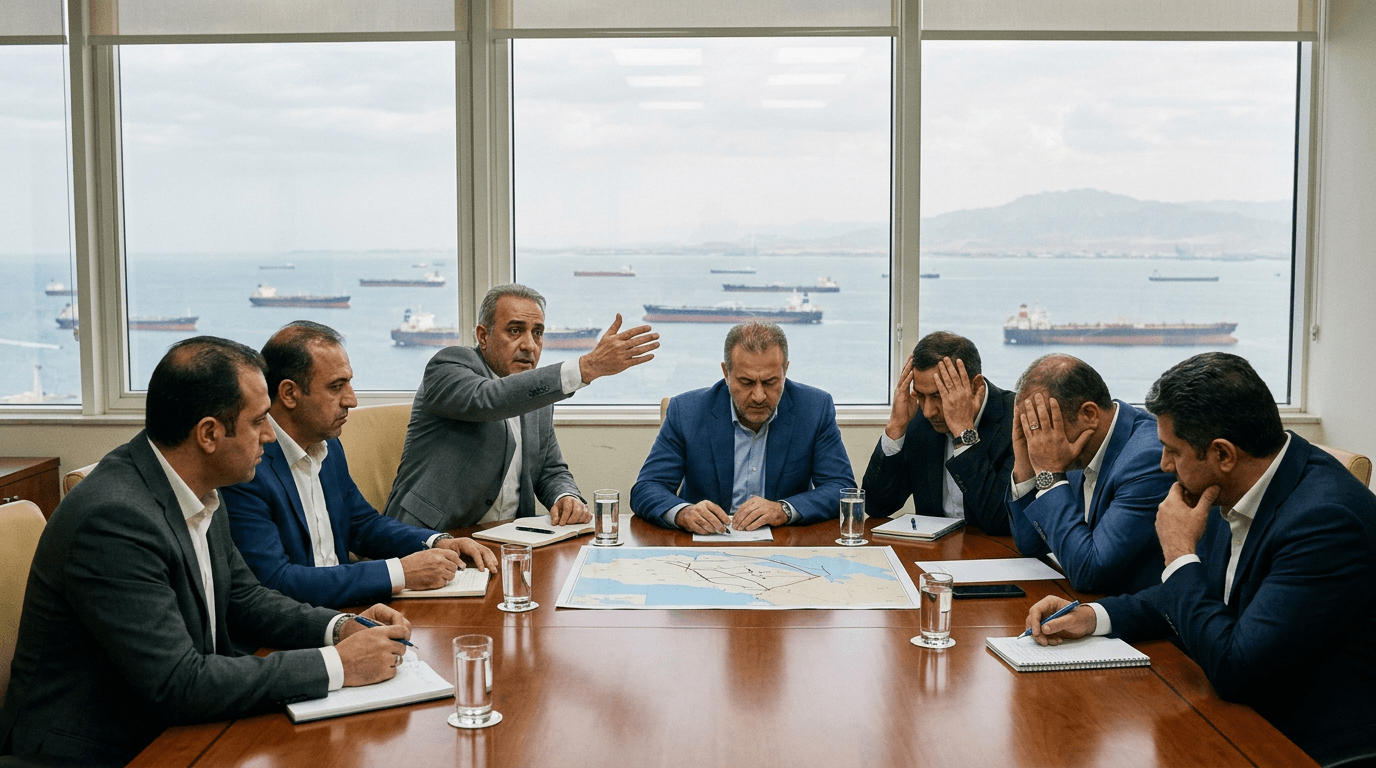
As global oil prices ascend due to Middle Eastern tensions, a pivotal diplomatic shift emerges with potential to redefine international maritime security and energy markets. Seven principal U.S. allies have declared their support for a coalition aimed at reopening the Strait of Hormuz, a crucial channel through which nearly 20% of the world’s oil supply flows. This development is a critical juncture for the SimFi trading community, highlighting the geopolitical forces driving commodity volatility and market instability.
The Strait Of Hormuz: A Critical Chokepoint
The Strait of Hormuz, nestled between Iran and Oman, stands as a vital artery for global oil trade. Heightened tensions here send shockwaves through energy markets worldwide. Insurers have begun withholding coverage for ships navigating this perilous passage, while the number of vessels daring the transit has sharply declined. For those tracking commodity futures, this supply disruption serves as a direct trigger for price fluctuations that will endure as long as the strait remains a contested zone.
The current turmoil originates from Operation Epic Fury, initiated on February 28, 2026. U.S. and Israeli military actions have targeted Iranian infrastructure and anti-ship capabilities along the strait. In retaliation, Iran has threatened to disrupt shipping using naval mines, drones, and fast-attack craft. This escalating conflict has fostered a market environment where energy security concerns translate into both volatility and opportunity for portfolios.
The Formation Of A Diplomatic Coalition
On March 20, 2026, seven nations expressed their commitment to reopening the Strait of Hormuz through a joint statement. The signatories—comprising the United Kingdom, Germany, Italy, the Netherlands, Canada, Japan, and Romania—issued this declaration following rigorous diplomatic negotiations. British Prime Minister Keir Starmer and NATO Secretary General Mark Rutte spearheaded efforts to forge consensus among Western allies. Japanese Prime Minister Sanae Takaichi joined after a White House meeting the same day, highlighting pressure from the Trump administration to broaden allied participation.
Crucially, this pledge primarily serves as a diplomatic gesture rather than a binding military commitment. The statement focuses on “preparatory planning” and contributing “appropriate efforts,” without obligating signatories to deploy naval forces or combat assets to the strait. Understanding this nuance is vital for assessing the situation's trajectory and the prolonged market uncertainty that may persist despite the coalition's announcement.
Europe's Reluctance And Nato Divisions
Behind closed doors, significant rifts have surfaced within NATO regarding the extent of involvement in the Strait of Hormuz operation. Germany has unequivocally ruled out military participation, emphasizing NATO’s role as a defensive alliance rather than a tool for Middle Eastern intervention. France has similarly refrained from committing combat forces, with President Emmanuel Macron stating that escort operations would only begin once the situation stabilizes. Although the United Kingdom joined the coalition statement, it has explicitly ruled out sending warships into the strait or Iranian waters.
These divisions underscore a profound disagreement over Western strategic interests in the Middle East. Senator Lindsey Graham has cautioned that Europe’s hesitance to provide military assets could undermine NATO’s future credibility. This intra-alliance tension adds another layer of uncertainty to market calculations, suggesting that diplomatic and military responses may be fragmented rather than unified.
Notable exceptions exist at the periphery. Estonia has expressed willingness to discuss assistance if formally requested, while Ukraine has started sharing expertise and technology to counter Iranian drone threats, drawing on systems and tactics from its own ongoing conflict. The UK and Romania have granted U.S. military base access for operations against Iran, though they have avoided direct combat involvement in the strait.
Market Implications For Traders
For participants in SimFi and commodity trading, this situation presents both challenges and opportunities. Oil price volatility is expected to remain high as long as the strait's status is contested and insurance availability is limited. The gap between the coalition’s broad diplomatic statement and the lack of substantial military commitments suggests that the operational situation may not reach a swift resolution. Traders should brace for prolonged periods of disrupted shipping, increased insurance premiums, and sustained upward pressure on energy prices.
While the coalition announcement offers some assurance that escalation might be managed through coordinated Western pressure instead of unilateral U.S. action, the lack of clarity on specific military commitments means that markets should temper expectations for rapid resolution. The forthcoming weeks will likely reveal whether coalition members transition from pledges of support to tangible operational contributions.
---