
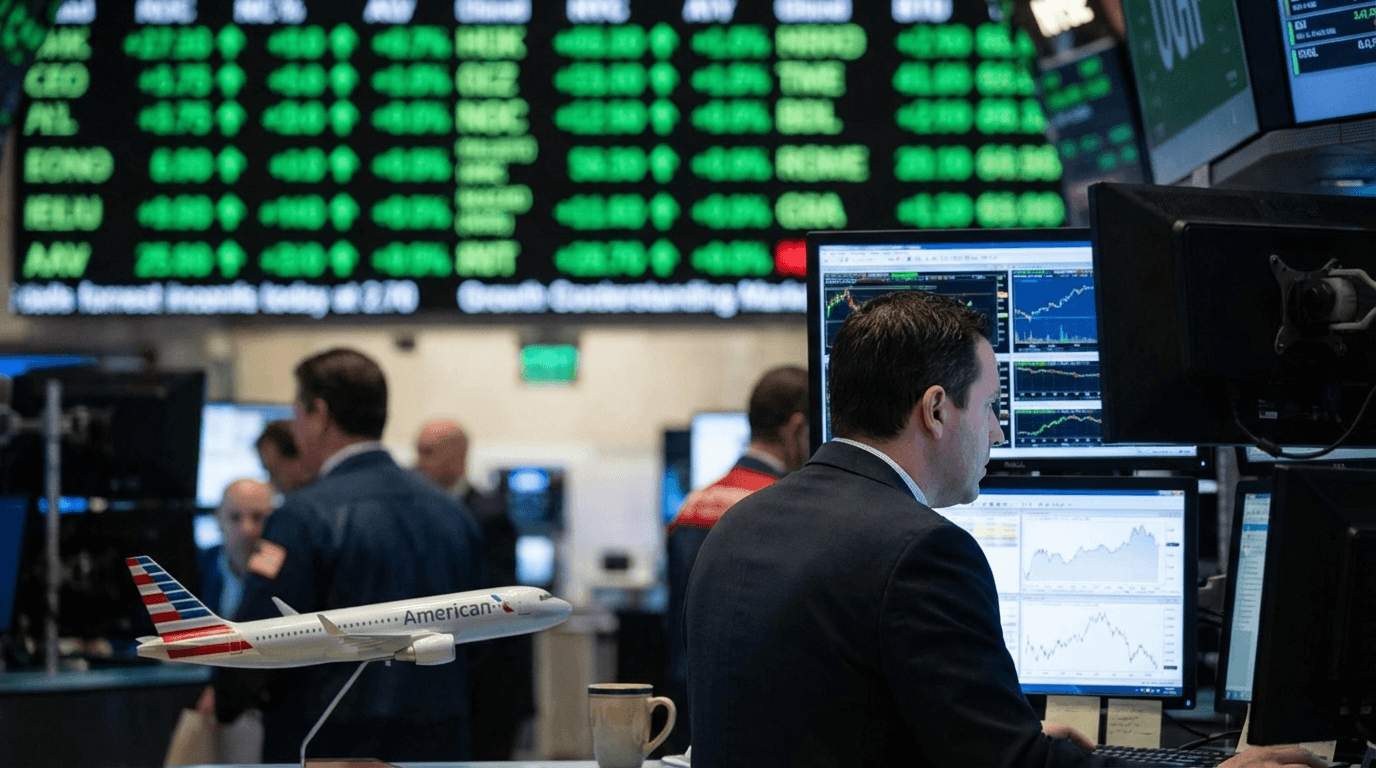
Southwest Airlines recently experienced a notable 6.16% surge in its stock, signaling a pivotal moment for the company and a shift in Wall Street's perspective on its future. On February 17, 2026, UBS Group's upgrade to a Buy rating prompted investors to reevaluate the airline's earnings potential. This shift emphasizes a crucial transformation as Southwest modernizes its model to remain competitive in a dynamic market.
The catalyst for this stock rally was UBS's decision to elevate Southwest Airlines from a Neutral to a Buy rating, accompanied by an increase in its price target from $51 to $73 per share. This $22 hike implies a substantial 35% upside from the current trading levels of around $54.26. Given the airline's market capitalization of approximately $26.7 billion, such enthusiasm from analysts isn't without solid reasons. UBS's timing and conviction suggest genuine catalysts for future growth, beyond mere speculation.
The Business Model Revolution
Traditionally known for its no-frills flying approach, Southwest Airlines is now undergoing a significant transformation. The airline is introducing assigned seating, a break from its long-standing open-seating model, and is now incorporating fees for checked bags and offering premium seating with extra legroom. These changes reflect a fundamental shift in its revenue strategy. By integrating ancillary revenue streams like baggage fees, seat assignments, and premium seating, Southwest is strategically positioning itself to generate more revenue per passenger while maintaining competitive base fares. The market sees these initiatives as legitimate earnings drivers, prompting UBS to reassess Southwest's earnings potential.
Management's guidance echoes this transformation narrative. The company forecasts $4.00 earnings per share for fiscal 2026 and about $0.45 for the first quarter of 2026. These projections, coupled with strategies to bolster ancillary revenue, indicate management's confidence in growth. For investors, these figures offer concrete benchmarks to assess performance.
Market Sentiment And Analyst Consensus
While UBS's upgrade spurred immediate enthusiasm, the broader analyst community remains cautious. The consensus rating across Wall Street is Hold, with an average price target of $48.14. This reflects differing opinions among analysts.
Analyzing the ratings reveals complexity: 10 out of 25 analysts rate the stock as Buy or higher, 9 hold it at Hold, and 3 recommend Sell. One analyst has even given a Strong Buy rating. This distribution shows that while some peers share UBS's optimism, it isn't universal. Analysts from Morgan Stanley, BMO Capital, and JP Morgan have issued Overweight or Outperform ratings, whereas Bank of America remains Underperform, and Goldman Sachs maintains a conservative $32 price target.
The disparity in price targets tells a compelling story. Susquehanna targets $55, Jefferies $48, and UBS now targets $73. These differences suggest analysts have varying views on the business model's potential upside. For traders, this divergence signals opportunity, as markets might eventually align with one perspective, creating potential movement.
External Tailwinds And Operational Context
In addition to strategic business changes, Southwest benefitted from another positive factor: declining oil prices. Airline stocks generally respond well to lower fuel costs, as jet fuel is a significant operating expense. While Southwest's revenue initiatives draw attention, the fuel cost tailwind offers immediate margin benefits. This blend of structural improvements and favorable commodity pricing created an ideal moment for sentiment to shift.
Southwest's current valuation warrants attention. With a price-to-earnings ratio of 64.65, it trades at elevated multiples compared to historical norms. This rich valuation reflects market expectations for earnings growth, making the successful execution of business model initiatives crucial. Any misstep in implementing these revenue strategies or negative customer response to new policies could lead to multiple compressions.
Key Takeaways For Traders And Investors
UBS's upgrade validates Southwest's strategic transformation, yet the broader analyst community's Hold rating indicates caution is still needed. Traders should closely monitor quarterly earnings to see if ancillary revenue initiatives meet targets. Keep an eye on management's commentary on customer satisfaction and adoption rates, as customer pushback could threaten the strategy's viability.
The $73 price target from UBS presumes successful execution and sustained industry tailwinds. Conversely, lower targets from other analysts account for more implementation risks or economic challenges. This stock now serves as a key test case for how effectively traditional low-cost carriers can evolve into hybrid revenue models. The upcoming quarterly earnings report will be crucial in determining whether Wall Street's renewed enthusiasm is justified or premature.