
U.S. Stock Market Plunges Amid Middle East Tensions: A Deep Dive into the Volatility
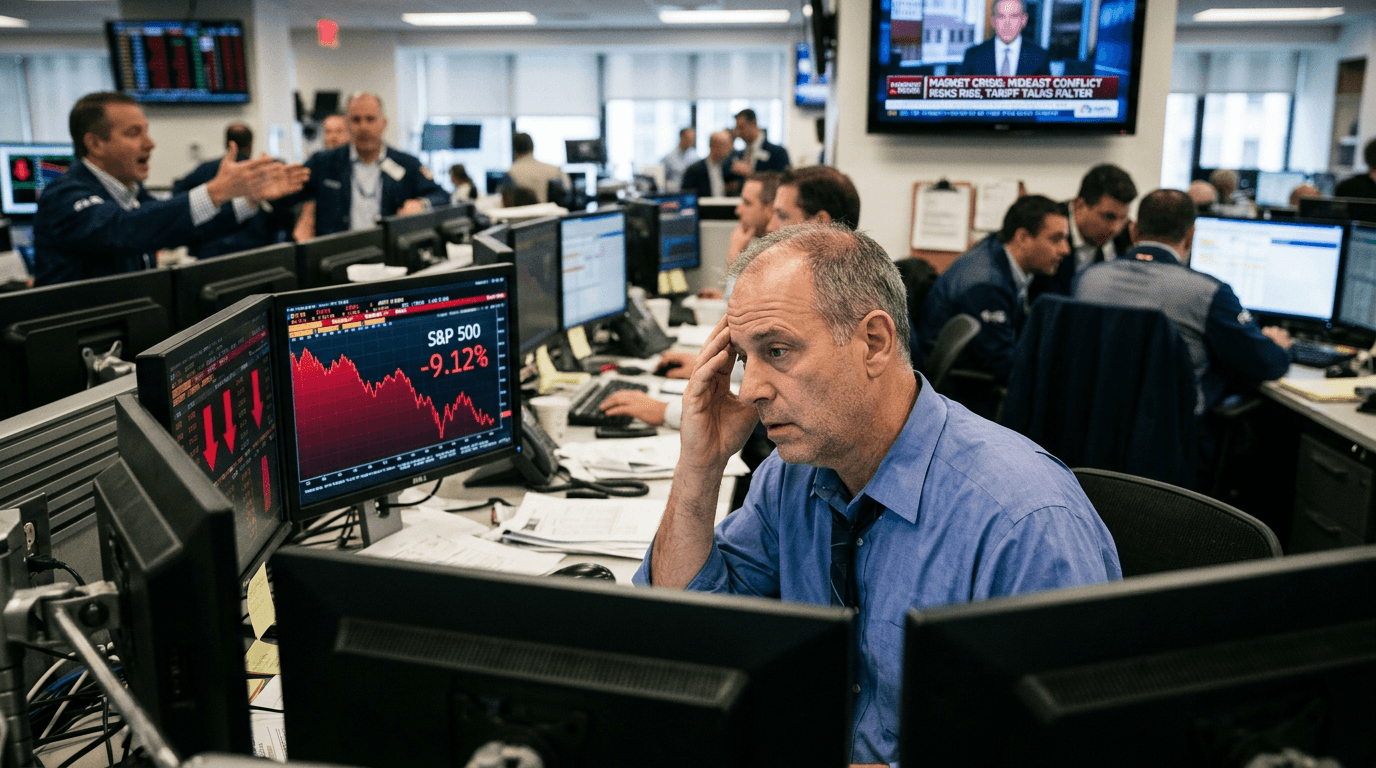
The U.S. stock market is navigating its most volatile period in recent years. Geopolitical tensions in the Middle East, compounded by ongoing economic uncertainties, are wreaking havoc on major indexes, pushing them into correction territory and stoking fears of inflation and recession. Over the past five trading sessions, Wall Street has endured one of its longest losing streaks in nearly four years. The S&P 500 has plummeted, starkly contrasting the optimism of early 2026. This dramatic pivot underscores how swiftly market sentiment can shift when energy security and diplomatic tensions dominate investor decisions.
At the heart of this market turmoil lies a clear catalyst: surging oil prices. Tensions with Iran have injected significant uncertainty into the global energy supply chain. Brent crude oil, now at $105.32 per barrel, has soared from around $70 pre-conflict, while U.S. crude is up to $99.64 per barrel. This spike underscores fears of prolonged disruption in the Persian Gulf's energy infrastructure, threatening to choke off vital oil supplies and unleash an inflationary wave across the global economy.
Geopolitical Whiplash and Market Volatility
The current market landscape presents a formidable challenge for investors, characterized by erratic day-to-day volatility. Diplomatic developments provide fleeting relief, only to be dashed by harsh realities. Throughout the week, markets have been on a rollercoaster, buoyed by hopes of U.S.-Iran negotiations, only to plummet as those hopes fade. When President Trump delayed his initial deadline for military action, oil prices and stock futures temporarily dipped, reflecting cautious optimism that the crisis may resolve peacefully.
However, such optimism is short-lived. Reports indicating Iran’s steadfastness and Israel’s potential escalation quickly dampen any diplomatic hope. Analysts describe this scenario as "diplomatic dissonance," leaving investors weary and risk-averse. As one strategist put it, Trump's announcements of potential deals have turned into "white noise," with investors now seeking tangible signals from Iran before adjusting their strategies.
The Broader Market Impact
The toll on U.S. stock valuations is significant. The S&P 500, a key measure of American market health, has dropped 8.7% from its all-time high in January. Both the Dow Jones Industrial Average and the Nasdaq Composite have officially entered correction territory, each down more than 10% from recent peaks. On Friday alone, three out of four stocks in the S&P 500 fell, illustrating widespread selling pressure.
The numbers are telling: the S&P 500 fell 108.31 points to close at 6,368.85; the Dow shed 793.47 points to finish at 45,166.64; and the Nasdaq tumbled 459.72 points to 20,948.36. This marks the worst week for the S&P 500 since the onset of the Iran conflict, highlighting a marked deterioration in investor confidence despite initial hopes for a swift resolution.
Implications for the Broader Economy
Beyond stock prices, ominous signs are emerging for the real economy. Consumer confidence is waning under the weight of high gas prices and war concerns. This is critical because consumer spending drives the bulk of U.S. economic activity, meaning declining confidence could translate into reduced spending and slower growth.
In the bond market, Treasury yields have climbed sharply, with the 10-year yield rising to 4.43% from 3.97% pre-conflict. Higher yields increase borrowing costs for households and businesses, typically slowing economic activity. This dynamic risks creating a vicious cycle: higher oil prices fuel inflation, elevated inflation keeps interest rates high, and high rates dampen growth while making debt costlier.
The fundamental fear is that prolonged disruption in the Persian Gulf energy sector could usher in stagflation—a painful mix of high inflation and slow growth. Oil price surges of this magnitude have historically posed challenges for central banks, as raising interest rates to curb inflation risks accelerating an economic slowdown.
Key Takeaways for Investors
For investors maneuvering through this turbulent landscape, several lessons are clear. First, geopolitical risk is now a tangible factor in portfolio performance. Second, temporary diplomatic optimism should be approached with caution until concrete resolutions appear. Third, energy prices and inflation expectations will likely remain volatile until the extent and duration of regional disruptions become clearer. Finally, diversification is crucial, as single geopolitical events can trigger widespread selloffs across multiple asset classes.
While the current market correction is painful, it may be manageable if diplomatic solutions emerge swiftly. However, if Middle East tensions persist or escalate, the 8.7% drop from recent highs could deepen significantly, with lasting effects on household wealth, employment, and economic growth.
Wall Street Slides as Iran Tensions Push Oil Prices and Market Volatility Higher
The S&P 500 enters correction territory as oil surges amid Middle East conflict, triggering the longest losing streak in years and heightening inflation and recession concerns.