
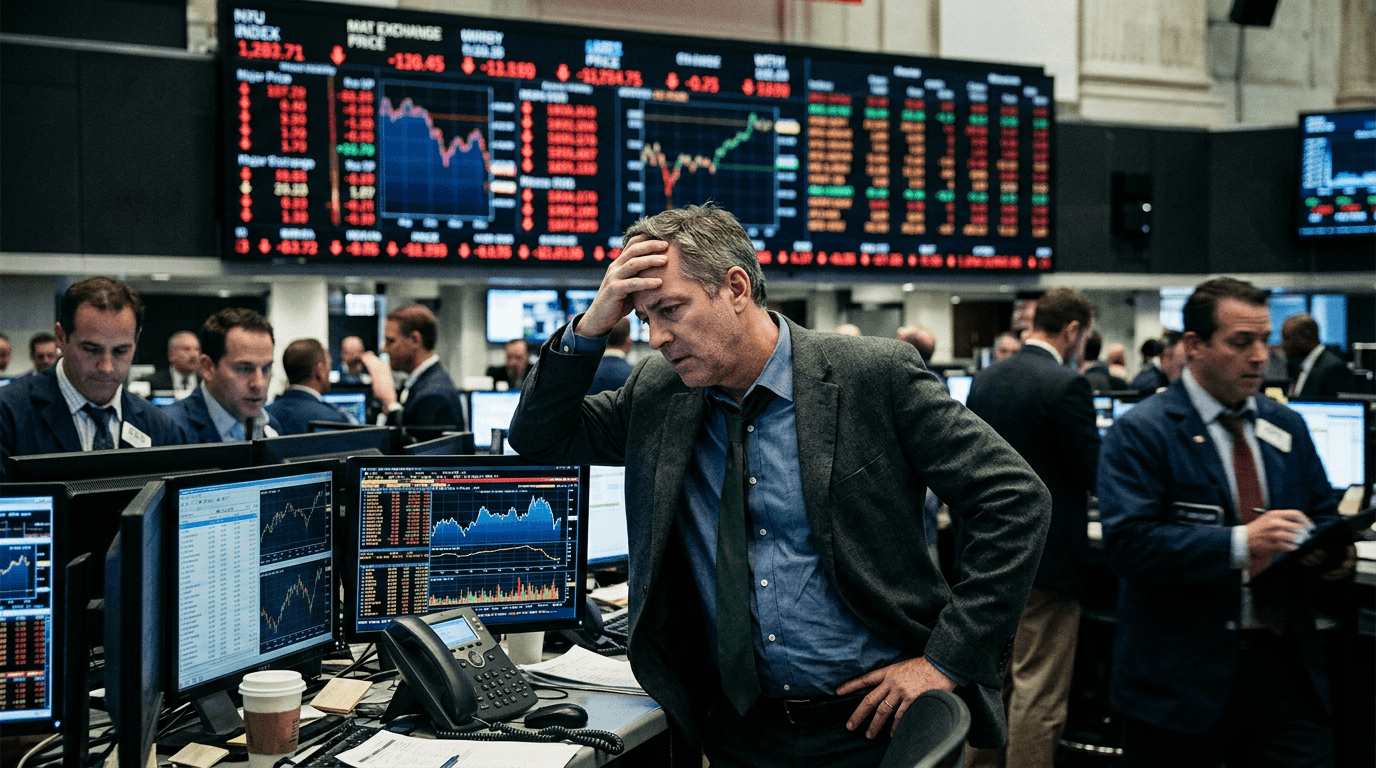
Inflation was supposed to be yesterday’s story. Instead, the latest US data show price pressures refusing to fade, forcing markets to confront a “tighter-for-longer” interest rate reality. Headline inflation is re-accelerating, core inflation is edging higher, and upstream price pressures are back in play. For traders, this is reshaping the macro backdrop that drives currencies, bonds, stocks, and commodities alike.
What The Latest Inflation Data Shows
Recent readings from the Consumer Price Index (CPI) and Producer Price Index (PPI) tell a consistent story: inflation is still too hot for comfort.
Headline CPI rose 3.8% year-over-year in April, up from 3.3% in March and well above the Federal Reserve’s 2% target. On a monthly basis, prices climbed 0.6% in April after a 0.9% jump in March. While the month-on-month pace has eased slightly, the level of inflation remains elevated.
Core CPI, which strips out volatile food and energy components to better capture underlying price trends, increased 2.8% over the past 12 months, up from 2.6% in March. Month-on-month, core prices rose 0.4%. That may not sound dramatic, but for central bankers aiming for 2% inflation, these are uncomfortable numbers.
Energy has re-emerged as a major driver. Fuel and gasoline prices have risen sharply amid geopolitical tensions and supply concerns, pushing the broader CPI higher. Shelter costs (rents and owners’ equivalent rent) continue to increase, and food prices, while not surging as they did in 2022, are still moving up.
At the wholesale level, the PPI shows similar persistence. The headline PPI rose 1.4% in April from the previous month, the largest one-month gain in over two years, and 6% year-over-year. Core PPI (excluding food, energy, and trade services) increased 0.6% on the month and 4.4% on the year, signaling that businesses are still facing higher input costs that can later filter through to consumers.
Together, CPI and PPI point to an inflation environment that has cooled from its post-pandemic extremes but is far from “mission accomplished.”
WHY “STICKY” INFLATION POINTS TO TIGHTER-FOR-LONGER POLICY
Central banks care about both the level and the persistence of inflation. “Sticky” inflation means that even as some components cool, others keep price growth elevated. This stickiness is especially visible in categories like shelter and services, which tend to adjust slowly but are heavily influenced by wage dynamics.
With inflation at 3.8% and core at 2.8%, policymakers face three key problems:
1. Credibility: The Fed has insisted it is committed to returning inflation to 2%. If inflation stalls well above target, it risks losing credibility, which can unanchor expectations and ultimately make inflation even harder to tame.
2. Real rates: Even with nominal policy rates already in a restrictive range, elevated inflation lowers real (inflation-adjusted) interest rates. If inflation drifts up, policy becomes less restrictive in real terms, potentially requiring either higher rates or a longer period at current levels.
3. Asymmetric risk: Central banks typically view upside inflation surprises as more dangerous than marginal growth disappointments. That bias encourages a “better safe than sorry” stance: keep policy tight longer, even if growth slows, rather than ease too soon and risk an inflation resurgence.
Markets are increasingly pricing out aggressive rate-cut scenarios and shifting toward a tighter-for-longer baseline. The odds of near-term cuts have fallen, and some participants are even debating the possibility of another hike if inflation refuses to move lower.
In practice, tighter-for-longer does not necessarily mean dramatically higher rates from here. It means fewer cuts, later cuts, and potentially a higher “terminal” rate over the next couple of years than markets assumed just a few months ago.
Market Reaction: Dollar Support, Rate Volatility, Recession Fears
Sticky inflation and a more hawkish policy outlook ripple across asset classes in distinct ways.
US dollar (USD): Higher or more persistent interest rates tend to support the dollar by improving the yield advantage of US assets versus other currencies. Recent inflation surprises have, at times, pushed the dollar higher, particularly against currencies where central banks are closer to easing.
Bonds and yields: Futures markets have repriced the path of policy, driving up yields on the front end of the Treasury curve as traders reduce expectations for rapid easing. Longer-dated yields can move in either direction: they may rise on higher inflation risk, or fall on growing recession concerns. The result is often an inverted or flattening yield curve, historically a warning sign of slower growth ahead.
Equities: Stocks face a more nuanced backdrop. On one hand, sticky inflation and higher real yields compress valuation multiples, especially for long-duration growth companies. On the other, certain sectors—like energy, financials, and some value plays—can benefit from higher nominal growth and firmer pricing power. Market leadership tends to rotate more frequently in this regime.
Commodities: Energy markets are at the center of the current inflation narrative. Rising oil and gas prices feed directly into CPI and PPI, and traders in these markets are highly sensitive to shifts in the policy-growth-inflation mix. Industrial metals and agricultural commodities also respond, though with their own supply-demand dynamics.
Risk sentiment: Perhaps the most important overarching effect is on risk appetite. The combination of persistent inflation and tightening financial conditions raises the perceived probability of a policy-induced slowdown or recession. This can periodically trigger “risk-off” moves—stronger dollar, lower equities, wider credit spreads—even if the underlying growth data have not yet fully deteriorated.
Implications And Practical Takeaways For Traders
For traders in both live and simulated environments, a sticky-inflation, tighter-for-longer backdrop calls for a more deliberate macro framework and disciplined risk management.
1. Watch the inflation mix, not just the headline: Markets increasingly trade off the details—core vs headline, goods vs services, shelter vs energy. A softer headline but firmer core can be more hawkish than it first appears, and vice versa.
2. Link data to policy expectations: CPI and PPI releases immediately feed into rate expectations (Fed funds futures, OIS curves). Tracking how each data point shifts the implied path of policy is essential for understanding moves in the dollar, yields, and equity indices.
3. Respect event risk: Inflation releases have become high-volatility catalysts. In a simulated environment, practice structuring positions around data days: use smaller size, wider stops, or reduced leverage, and consider the risk of gaps and whipsaws.
4. Think in scenarios, not certainties: Build playbooks for three broad paths—disinflation resumes, inflation stays sticky, or inflation re-accelerates. Map likely market reactions in each scenario and test how your strategies perform across them.
5. Balance macro views with price action: A solid macro read can tilt probabilities in your favor, but markets often overshoot in the short term. Combine top-down analysis with technical levels, volatility measures, and liquidity conditions.
Key Takeaways
US inflation is no longer spiraling higher, but it is clearly not yet back under control. Headline CPI at 3.8%, core at 2.8%, and a resurgent PPI collectively argue for a central bank that stays restrictive longer than markets once hoped.
For traders, that means embracing a world where interest rates are higher for longer, real yields matter more, and the path of inflation is the primary macro narrative. Currencies, bonds, equities, and commodities will all continue to trade off changing expectations about how far—and how long—central banks must go to finish the inflation fight.
Whether you are trading live capital or honing your edge in a simulated environment, this is a regime that rewards preparation, adaptability, and a clear understanding of how data, policy, and prices connect.